
Published Apr 07, 2026 | 6:21 PM ⚊ Updated Apr 07, 2026 | 6:21 PM

Global life expectancy rose from 66.8 years in 2000 to 73.1 years in 2019.
Synopsis: A LocalCircles survey on World Health Day finds only 7.3 percent Indians actively working to slow ageing. Despite rising awareness, the study highlights a clear gap between knowing and actually acting on healthy ageing.
The idea of ageing well is no longer confined to doctors’ clinics or wellness retreats – it is quietly entering everyday conversations among friends, families and colleagues.
On World Health Day, that shift comes into sharper focus, with new data showing how the idea of slowing ageing is entering everyday awareness but not quite translating into widespread action yet.
A nationwide survey by LocalCircles reveals that “17 percent Indians say they have one or more individuals in their close social network who are actively working on slowing ageing.”
However, when translated to the broader population, this means only about 7.3 percent Indians are actively working towards slowing ageing, capturing both the growing curiosity and the limited adoption of longevity-focused lifestyles.
The survey, which gathered over 28,000 responses across 311 districts, paints a detailed picture of how Indians are engaging with the idea of slowing ageing. While the concept is clearly visible, it remains far from widespread in practice.
Sixty-four percent of the respondents said they do not know anyone actively working on slowing ageing. At the same time, smaller segments reported some exposure: “6 percent indicated yes, 1 individual; 11 percent indicated 2–3 individuals; and 19 percent indicated 4 or more individuals,” the study noted, highlighting pockets of awareness rather than a uniform trend.
What stands out is how these individual responses scale nationally. The study explained that, on average, each person has about 1.095 individuals in their network working on slowing ageing.
This ultimately translates to just 7.3 percent of Indians actively pursuing such practices, reinforcing how early-stage this movement still is.
The broader context behind this trend lies in how the idea of ageing itself is evolving. For years, increasing life expectancy was seen as the ultimate goal. “Now, the focus is shifting toward ensuring those additional years are healthy and active,” the study highlighted.
According to the study, global life expectancy rose from 66.8 years in 2000 to 73.1 years in 2019. However, it also pointed out that “this gain largely reflected reduced mortality rather than fewer years lived with illness,” underlining a critical gap between living longer and living well.
The Covid-19 pandemic further complicated this progress, reversing nearly a decade of gains.
This makes the current emphasis on healthy ageing more urgent, as individuals and systems alike try to ensure that longer lives do not come with prolonged health challenges.
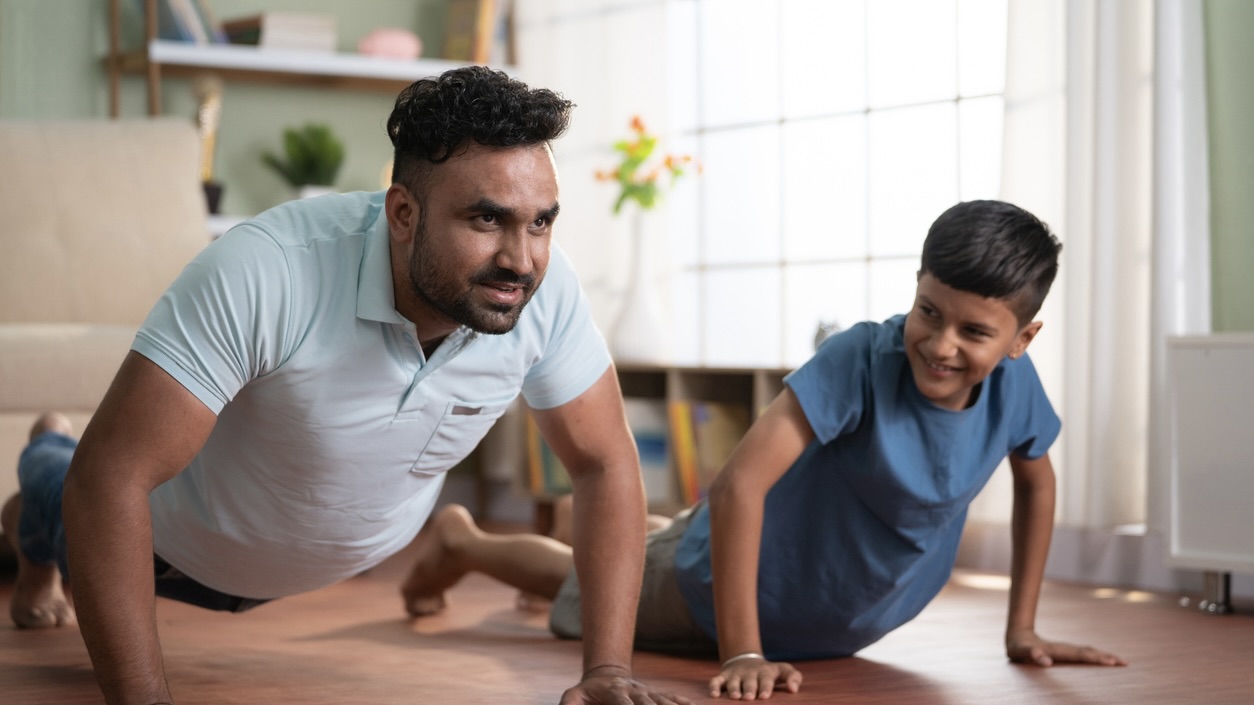
At its core, slowing ageing is less about radical change and more about consistent lifestyle choices. The survey highlights how fitness, nutrition and mental well-being are becoming central to this conversation.
It observed that “fitness trends such as yoga, strength training and regular physical activity, along with balanced diets rich in antioxidants, are widely promoted to maintain physical health and vitality.”
These habits, while familiar, are now being reframed as essential tools for long-term health.
Alongside lifestyle changes, science is also playing a role. The study mentioned growing interest in longevity research, noting advances in “cellular repair, genetic interventions and anti-ageing therapies.”
Together, these elements are shaping a more holistic understanding of how ageing can be managed.
While the idea of slowing ageing is entering public consciousness, it has not yet translated into daily habits. Many Indians remain on the sidelines – aware and curious, but not fully committed.
Even as some respondents reported knowing individuals focused on longevity, the broader picture remains unchanged. The study underscored that “this is a relatively small number and much more awareness needs to be created,” particularly around exercise, diet and disease prevention, suggesting that intent is not becoming action.
What stands out is not a lack of information, but a lack of follow-through. The study noted that awareness of preventive health is rising, but participation remains limited, “highlighting the need for greater behavioural change among citizens.”
Whether this stays a niche pursuit or grows into a wider shift will depend on how quickly people act – “so that healthy ageing becomes the norm, not the exception.”


