

Published Mar 29, 2026 | 7:00 AM ⚊ Updated Mar 29, 2026 | 7:00 AM

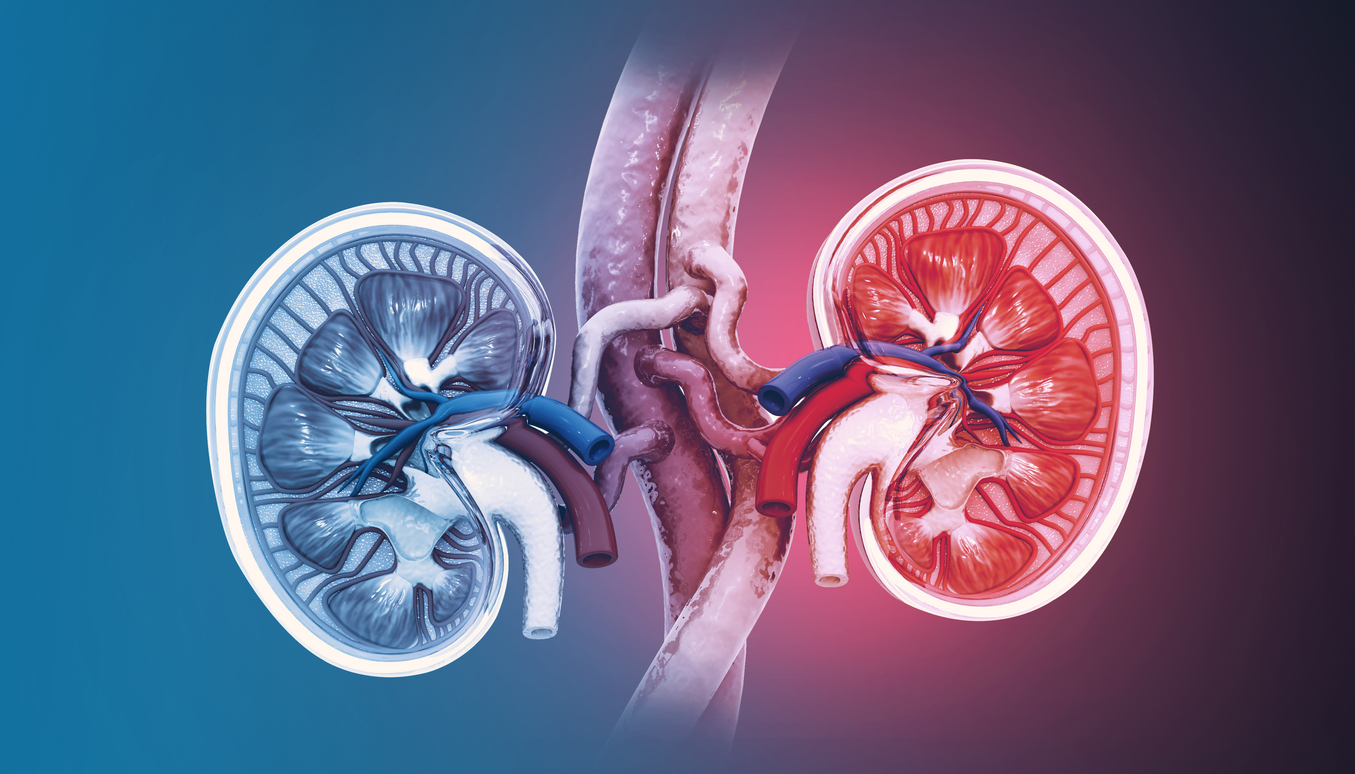
Representational image. Credit: iStock
Synopsis: Medical experts at Hyderabad’s Asian Institute of Nephrology and Urology warn that overexertion at the gym can trigger rhabdomyolysis, a life-threatening muscle breakdown leading to kidney damage. A 25-year-old patient recovered after early diagnosis and hydration. Doctors advise gradual training, hydration, rest, and listening to the body’s warning signals.
Medical experts at the Hyderabad based Asian Institute of Nephrology and Urology (AINU) are issuing a warning that overexertion at the gym can trigger a life-threatening condition known as rhabdomyolysis. The “no pain, no gain” mantra, which circulates through gym culture, may be putting lives at risk.
The warning follows a case at AINU HITEC City involving a 25-year-old man who, seeking results on his first day at the gym, spent 90 minutes performing squats, deadlifts, and push-ups. Within days, his health deteriorated.
Days after his workout, the patient noticed his urine had turned a cola colour. He also experienced muscle stiffness, fatigue, and a drop in urine output.
Investigations at the AINU emergency department revealed serum creatinine kinase levels that had risen to a point signalling muscle damage, myoglobin present in the urine, and rising renal parameters alongside elevated potassium levels.
Doctors diagnosed him with exercise-induced rhabdomyolysis, a condition in which skeletal muscle breaks down, releasing myoglobin into the bloodstream. When myoglobin enters the blood in quantity, it clogs the kidney tubules, which can cause kidney injury and, in cases where treatment does not arrive in time, the need for dialysis.
The AINU medical team explained that rhabdomyolysis occurs when unaccustomed, intense exercise, often combined with dehydration or heat, causes muscle fibres to rupture. “Muscles are meant to strengthen, not to be destroyed,” they said. “When muscle contents enter the blood, they become a threat to the kidneys.”
Doctors urge anyone who exercises to watch for cola or tea-coloured urine, which signals myoglobinuria, as well as muscle pain or swelling that goes beyond post-workout soreness. Fatigue or weakness that does not pass, reduced urine output, and nausea or vomiting also warrant attention.
The patient recovered through a coordinated approach. He first sought help from a urologist because of the change in his urine, but the condition then required input from a nephrologist.
The hospital noted that early suspicion and coordinated care between Dr Deepak Ragoori, consultant urologist, and Dr Kranthi Kumar, consultant nephrologist, proved pivotal. “Aggressive hydration and electrolyte correction form the first line of defence,” they stated. “When doctors detect the condition early, most patients recover fully. Delays, however, can result in permanent kidney damage.”
AINU advises a “start low, go slow” approach. Doctors recommend increasing workout intensity by no more than 10 to 15 percent each week, drinking water before, during, and after exercise, scheduling rest days so that muscle tissue can repair, and stopping training when the body signals pain rather than masking it with painkillers.
“Exercise functions as medicine,” the experts concluded. “But like all medicine, it must come in the right dose. The body sends warning signals. Listening to them protects both the kidneys and the life of the person exercising.”


