

Published Dec 12, 2025 | 1:35 PM ⚊ Updated Dec 12, 2025 | 1:35 PM

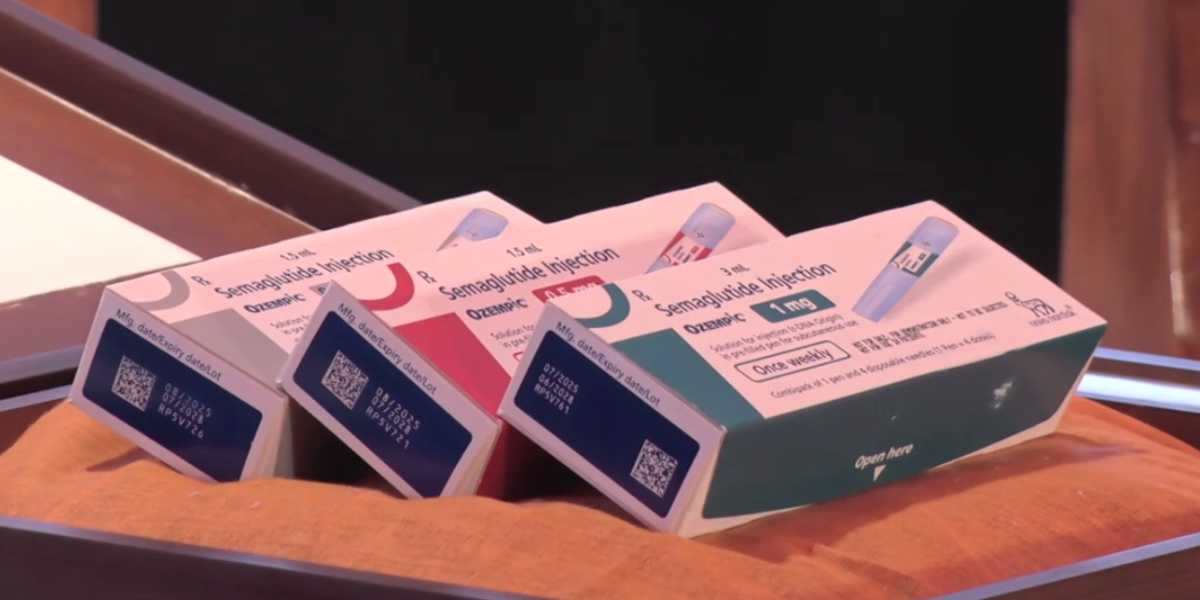
Ozempic. (Supplied)
Synopsis: Approximately 254 million adults have generalised obesity, whilst 351 million exhibit abdominal obesity. The ICMR-INDIAB study reveals 28.3 percent of adults are metabolically obese, alongside 43.3 percent metabolically obese non-obese. These figures indicate that metabolic dysfunction affects over 70 percent of adults, exceeding traditional obesity metrics. Rural areas show higher rates at 46 percent versus 39.6 percent in urban areas.
Danish pharmaceutical company Novo Nordisk introduced its diabetes drug Ozempic to the Indian market on 12 December, pricing the 0.25 mg weekly injection at ₹2,200 as it works to expand its presence in the world’s most populous nation.
Around 89.8 million adults aged 20-79 years live with diabetes in India as of 2024, marking the second-highest burden worldwide.
The age-standardised prevalence stands at 10.5 percent, with 43 percent of cases undiagnosed, equating to about 38.6 million individuals unaware of their condition. Projections suggest this figure could rise to 156.7 million by 2050 without interventions.
The U.S. Food and Drug Administration approved Ozempic, a once-weekly injectable, in 2017 for type 2 diabetes. The drug has become a bestseller globally and users apply it off-label for weight loss due to its appetite-suppressing effects.
Meanwhile, Novo’s Wegovy, which contains the same active ingredient semaglutide as Ozempic, carries approval for weight loss.
“When Ozempic was first launched globally and its efficacy became evident, it quickly became one of the most searched terms on Google,” said Vikrant Shrotriya, managing director of Novo Nordisk India. “Even before its official launch in India, we know people were bringing it from abroad for personal use, hopefully with valid prescriptions.”
The medication reduces HbA1c by up to 2.8 percent. “Many people in my own family have diabetes, and I know how difficult it is to bring levels down from 8 percent to 6 percent without resorting to daily insulin injections, which many patients are hesitant about,” Shrotriya said. “With a once-weekly dose, patients can achieve a 2.8 percent reduction along with weight loss.”
Novo Nordisk priced Ozempic in three pack options: 0.25 mg, 0.5 mg, and 1 mg, setting the range comparable to insulin in India. The 1 mg dose costs between ₹10,000 and ₹20,000 monthly.
“It was a tough decision to bring it into this price zone, but as a company committed to insulin access, given that one in two people in India rely on our insulin, we consider this a moment of pride,” Shrotriya said. “With this affordability and accessibility, we hope more patients will be able to use this medication, when prescribed by doctors and dispensed by responsible pharmacists.”
Novo Nordisk faces pressure from competitors in India’s expanding diabetes and weight-loss drug market.
Eli Lilly’s Mounjaro outpaced Wegovy in October sales, moving 2,62,000 doses against Wegovy’s 26,000 units since its June entry. Mounjaro retails at approximately ₹17,500 per month for a 5 mg dose, whilst Wegovy commands ₹16,261 to ₹24,389 monthly for its 2.4 mg formulation.
Responding to competitive dynamics and patent considerations, Novo Nordisk reduced Wegovy’s Indian pricing by up to 37 percent in November.
The move preceded the March 2026 patent expiry for semaglutide, the active ingredient in both Wegovy and Ozempic, which will permit generic manufacturers to enter the market.
The launch targets a market that analysts estimate will reach $150 billion annually by the end of the decade. India hosts the world’s second-largest population of type 2 diabetes patients after China, whilst obesity prevalence continues to rise across urban and rural populations.
“Weight and diabetes form a lethal partnership, and we must break that cycle,” Shrotriya said. “Most patients with diabetes are also overweight. Ozempic helps address both.” He emphasised the drug’s capacity to reduce cardiovascular and kidney complications, conditions that threaten diabetes patients at elevated rates.
Approximately 254 million adults have generalised obesity, whilst 351 million exhibit abdominal obesity. The ICMR-INDIAB study reveals 28.3 percent of adults are metabolically obese, alongside 43.3 percent metabolically obese non-obese. These figures indicate that metabolic dysfunction affects over 70 percent of adults, exceeding traditional obesity metrics. Rural areas show higher rates at 46 percent versus 39.6 percent in urban areas.
(Edited by Sumavarsha)


