

Published Nov 20, 2026 | 5:15 PM ⚊ Updated Nov 20, 2026 | 5:15 PM

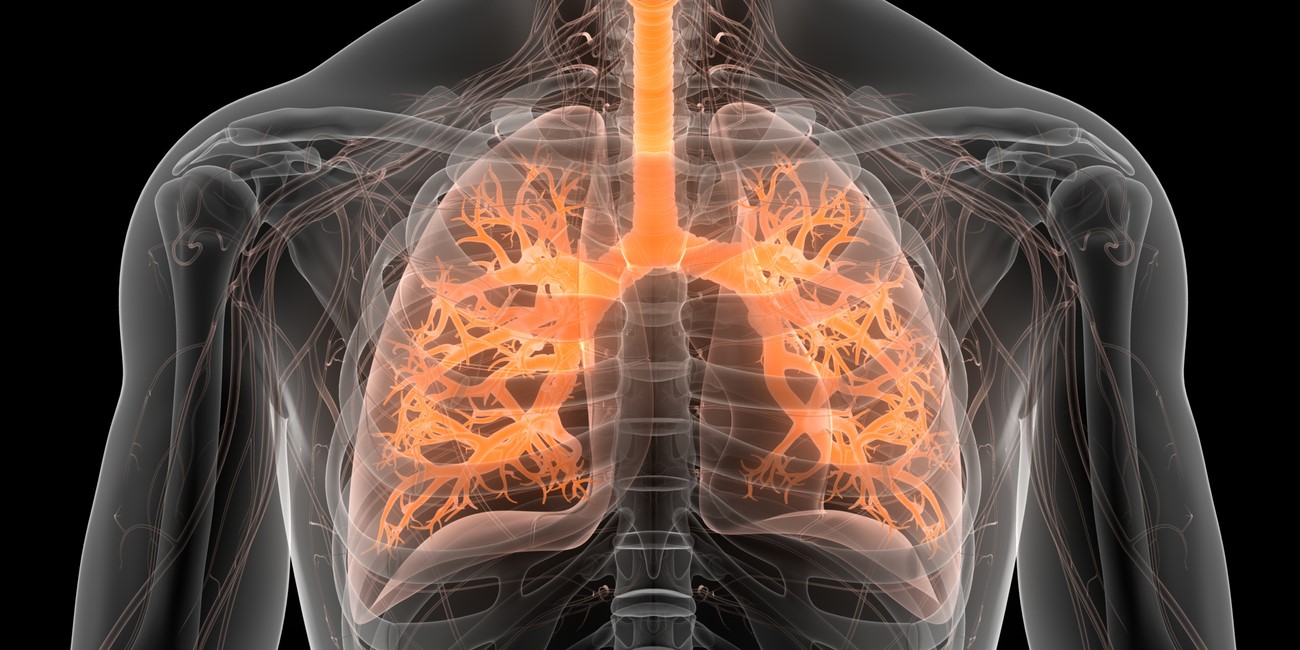
Smoke and particulate matter from mosquito-repellent agarbattis can aggravate existing respiratory symptoms in people with COPD.

Synopsis: Mosquito-repellent ‘agarbattis’ are a common household practice, but the smoke they release can add to indoor air pollution. Pulmonologists warn that repeated exposure to fine particles and chemical pollutants can irritate airways, aggravate COPD and asthma symptoms, and pose particular risks to children and older adults.
Smouldering mosquito-repellent agarbattis (incense sticks) are common in Indian households, particularly during the evening and at night. However, the smoke they release can add to indoor air pollution, exposing people to fine particles and chemical pollutants that can irritate the respiratory system, a pulmonologist has warned.
Dr Hemanth Kumar M, Senior Consultant Pulmonologist at Narayana Healthcity, Bengaluru, told South First that mosquito-repellent agarbattis release fine particulate matter, volatile organic compounds (VOCs) and other combustion-related pollutants. Depending on the formulation, the smoke may also contain residues of insecticidal ingredients.
“When inhaled, these particles and gases enter the respiratory tract. Larger particles may deposit in the nose and upper airways, while finer particles, particularly PM2.5 and smaller particles, can penetrate deeper into the respiratory system and reach the bronchioles and alveolar regions of the lungs,” he said.
Repeated exposure can irritate the respiratory lining, trigger inflammation and increase oxidative stress. It may also affect mucociliary clearance, the natural mechanism through which the lungs remove mucus, dust and foreign particles.
This concern is especially relevant when these products are burned regularly in enclosed rooms, where pollutants can accumulate.
Also Read: Can COPD patients exercise?
People living with Chronic Obstructive Pulmonary Disease (COPD), a chronic lung condition that restricts airflow and makes breathing difficult, may be particularly vulnerable to indoor smoke.
Dr Kumar said smoke and particulate matter from mosquito-repellent agarbattis can aggravate existing respiratory symptoms in people with COPD.
“These patients already have compromised respiratory function and are more susceptible to environmental irritants,” he said.
Exposure to smoke can increase coughing, wheezing, chest tightness, breathlessness and mucus production. In some susceptible individuals, it may also contribute to an exacerbation, when existing respiratory symptoms suddenly worsen.
“The extent of the impact depends on the concentration of pollutants, frequency and duration of exposure, and the individual’s underlying respiratory health,” he said.
He advised people with COPD to avoid indoor smoke, including that generated by mosquito-repellent products.
Repeated exposure to indoor air pollutants can cause airway irritation and inflammation even among people without an existing respiratory condition, Dr Kumar said.
Continuous exposure to particulate matter and chemical pollutants may affect the respiratory system’s natural defence mechanisms and contribute to persistent respiratory symptoms.
However, he cautioned against directly linking mosquito-repellent agarbattis to chronic lung disease without sufficient human evidence.
“While laboratory studies have identified potentially harmful emissions from these products, there is still a need for larger, long-term human studies to establish whether regular use independently causes a measurable decline in lung function,” he said.
He added that the absence of immediate symptoms should not be interpreted as proof that repeated exposure is harmless.
Ventilation plays an important role in determining indoor pollutant concentrations. When mosquito-repellent agarbattis are burnt in closed bedrooms or poorly ventilated spaces, smoke and associated pollutants can accumulate.
“The risk may be greater when products are used overnight or for extended periods in rooms where people spend several consecutive hours,” Dr Kumar said.
He said both the frequency and duration of exposure matter, as daily use over several years can increase cumulative exposure.
Opening windows may improve air circulation, but it does not eliminate pollutants generated at the source.
Children, older adults and people with asthma or COPD may be particularly vulnerable. Children’s lungs are still developing, while older adults may have reduced lung function and lower respiratory reserves.
For people with asthma, smoke and chemical irritants can trigger bronchospasm, causing the airways to narrow and making breathing difficult.
Also Read: How technology is transforming lung health
Dr Kumar advised households to minimise indoor exposure to smoke-generating mosquito-repellent products, particularly where children, older adults and people with respiratory illnesses live.
He recommended using mosquito nets, window screens and door mesh to prevent mosquitoes from entering homes. Eliminating stagnant water in coolers, plant trays and other containers can also help prevent mosquito breeding.
“Fans, physical barriers and topical mosquito repellents containing approved active ingredients, used strictly according to their labels, can help reduce mosquito exposure without generating combustion smoke,” he said.
Consumers should also check regulatory information and purchase products from reliable sources.
A survey by the Home Insect Control Association and Kantar, covering 1,264 households and 405 doctors across 12 Indian cities, estimated India’s mosquito-repellent agarbatti market at around ₹2,000 crore.
It found that up to 85% of the market was controlled by illegal or unregulated manufacturers lacking mandatory Central Insecticides Registration (CIR) approval. Nearly 59% of surveyed households reported using these products, with half burning them daily for more than three years.
The survey also found that 48% of households assumed products purchased from chemists were safe, while 50% believed herbal variants were harmless.
Dr Kumar said reducing avoidable sources of indoor smoke, ensuring adequate ventilation and choosing appropriate mosquito-control methods can help limit exposure to respiratory pollutants.
(Edited by Majnu Babu).



