

Published Apr 30, 2026 | 7:00 AM ⚊ Updated Apr 30, 2026 | 7:00 AM

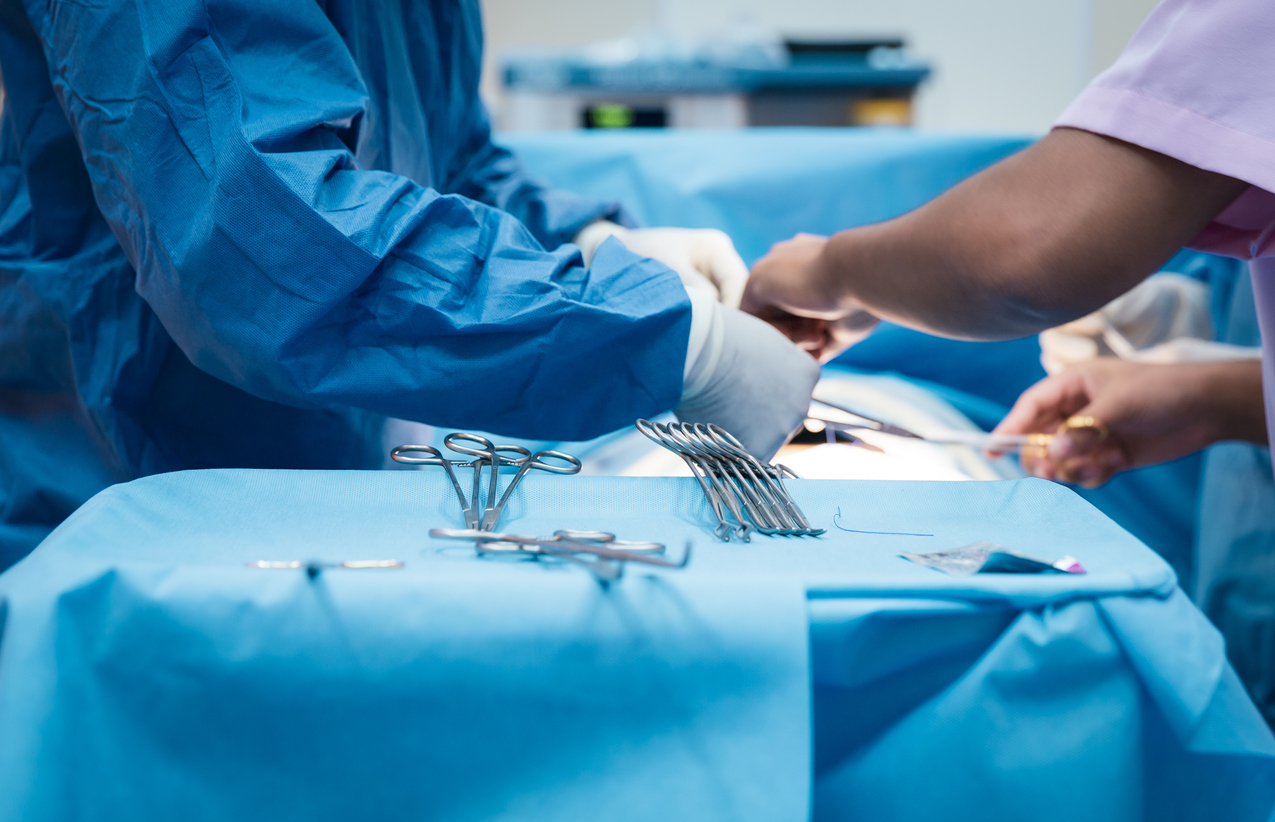
Representational image. Credit: iStock

Synopsis: The National Medical Commission has scrapped its population-ratio rule that restricted southern states from opening new medical colleges, allowing expansion beyond the earlier cap of 150 MBBS seats. While Tamil Nadu and others opposed the regulation, Parliament highlighted regional disparities. Faculty shortages and limited postgraduate seats remain pressing challenges, raising concerns about balancing quantity with quality in medical education.
The National Medical Commission (NMC) has withdrawn a three-year-old regulation that blocked southern states from opening new medical colleges, ending a standoff that had pitted state governments against the central regulatory body over the expansion of medical education in India.
In a notification dated 23 April 2026, NMC deleted the clause that required states to maintain a ratio of 100 MBBS seats per 10 lakh population before receiving permission to start new colleges. The amendment also removed the cap that restricted new colleges to a maximum intake of 150 MBBS students from the year 2024-25.
NMC had introduced the population-ratio rule through an Extraordinary Gazette Notification dated 16 August 2023, under its Guidelines for Undergraduate Courses under the Establishment of New Medical Institutions, Starting of New Medical Courses, Increase of Seats for Existing Courses and Assessment and Rating Regulations, 2023.
“After AY 2023-24, the Letter of Permission for starting new medical colleges shall be issued only for an annual intake capacity of 50/100/150 seats: Provided that the medical college shall follow the ratio of 100 MBBS seats for every 10 lakh population in that state/UT,” the notification read.
The rule immediately placed all five southern states — Andhra Pradesh, Karnataka, Kerala, Tamil Nadu, and Telangana — outside the threshold. They had already crossed the mark.
Also Read: NMC declares stem cell therapy for autism illegal, restricts use to 32 approved conditions
Data from Lok Sabha answers, cross-referenced with UIDAI Aadhaar saturation figures for March 2026 and NMC seat records as of October 2025, shows the scale of the gap.
Karnataka leads the country with 13,944 MBBS seats against a norm-prescribed 6,854 for its population of 6.85 crore. Tamil Nadu has 12,650 seats against a norm of 7,731. Telangana has 9,340 seats against a norm of 3,845 for a population of just 3.84 crore. Andhra Pradesh has 7,065 seats against a norm of 5,352, and Kerala has 5,304 against 3,606.
In contrast, Uttar Pradesh, with a population of 24.04 crore, has 13,125 seats, still around 11,000 short of its norm-prescribed 24,046.
Tamil Nadu Chief Minister MK Stalin had been among the most vocal opponents of the 2023 rule. On 4 October 2023, he wrote to Prime Minister Narendra Modi, calling the notification a “regressive scenario” and demanding it be kept in abeyance.
“The criterion proposed for such restriction, the higher doctor-population ratio at the state level as compared to the norms, is also not appropriate. Even when there is adequate availability of doctors at the state level, there are districts where their availability continues to be a persistent issue,” Stalin wrote.
He argued the norm amounted to a direct encroachment on state rights and penalised states that had invested more in public health infrastructure over decades.
While southern states pushed back, a Parliamentary Standing Committee on Health and Family Welfare exposed why the norm existed in the first place.
The committee found that Karnataka, Telangana and Tamil Nadu maintain approximately 150 MBBS seats per million population, while Bihar has only 21 seats per million.
“The Committee, therefore, strongly recommends that the NMC must come forward with guidelines for establishing new medical colleges in states where there are fewer than hundred MBBS seats per million population,” the report declared.
Also Read: Is illegible handwriting by doctors putting patients at risk? NMC steps in
Behind the expansion debate sits a deeper crisis that neither the norm nor its removal addresses – faculty shortage.
A 2022-23 assessment of 246 medical colleges by the Undergraduate Medical Education Board found that no medical college had adequate faculty members or senior residents, and all failed to meet the minimum 50 percent attendance requirement.
“Most medical colleges either had ghost faculty and senior residents or had yet to employ the required faculty at all. While none of the institutions met the minimum 50 percent attendance requirement, zero attendance of faculty was common in most medical colleges,” the Parliamentary report stated.
Even AIIMS institutions have not escaped the crisis. According to a Ministry of Health response in the Rajya Sabha on 17 December 2024, across all AIIMS in 2024-25, only 3,693 of 5,799 sanctioned faculty positions stand filled, a vacancy rate of 36.3 percent.
United Doctors Front President Dr Lakshya Mittal welcomed additional seats but cautioned against expanding intake without fixing the foundations.
“Government should first strengthen existing medical institutions, ensure fair stipends for interns and residents, and address issues related to medical bonds. A holistic approach, balancing both quantity and quality, is essential to truly strengthen India’s medical education system,” he said.
Dr Suvrankar Datta warned that increasing MBBS seats without a proportional rise in postgraduate seats could destabilise the healthcare system.
“If we do not ensure proper avenues for specialisation, we are looking at an impending crisis,” he said.
With the April 2026 amendment removing the population-ratio clause, southern states hold a clear path to add more colleges and seats. Whether that translates into doctors reaching underserved districts, or simply deepens the concentration in states that already lead the country, remains the question the NMC’s reversal leaves unanswered.



