

Published Oct 26, 2026 | 1:02 PM ⚊ Updated Oct 26, 2026 | 1:02 PM

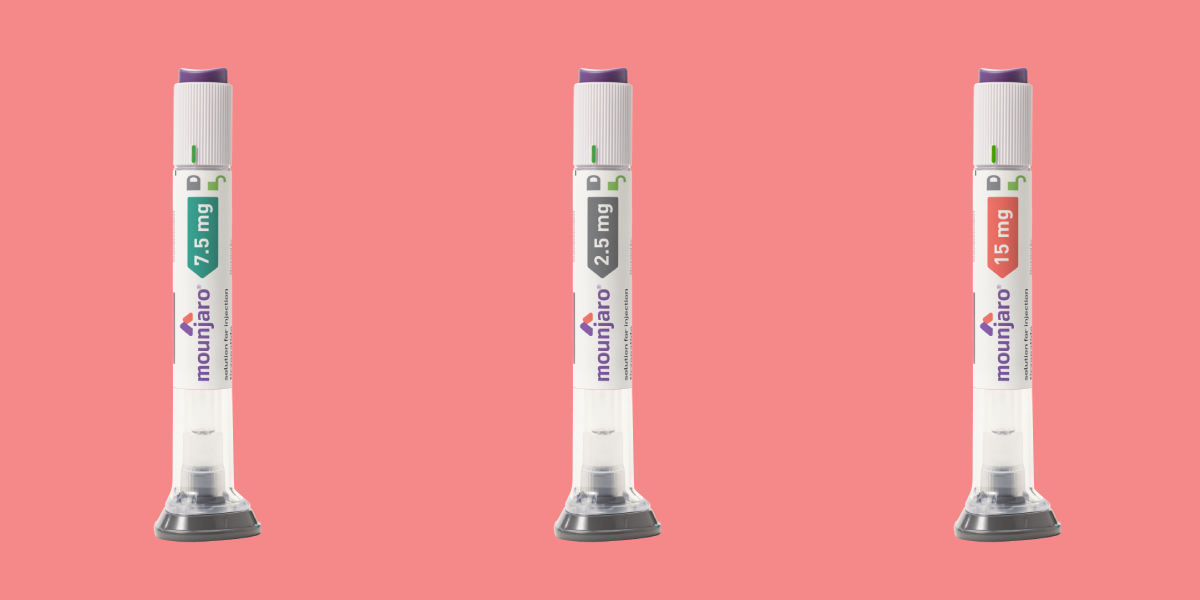
Tirzepatide/Mounjaro injections. (Eli Lilly and Company)

Synopsis: The CDSCO’s September 2026 drug-quality alert flags six batches of Eli Lilly’s Mounjaro KwikPen across all six strengths sold in India, with assay failures recorded for every batch. The alert also lists failures involving diabetes, blood pressure, thyroid and other medicines, antibiotics, injectable fluids and cough syrups, including one amoxycillin-clavulanate product declared spurious by a laboratory.
The Central Drugs Standard Control Organisation (CDSCO) has flagged six batches of Eli Lilly’s Mounjaro KwikPen for failing to meet specified quality standards in its September 2026 drug-quality alert. The batches cover all six strengths of the injectable medicine sold in India, from 2.5 mg to 15 mg per 0.6 ml.
Mounjaro contains tirzepatide, which acts on glucose-dependent insulinotropic polypeptide (GIP) and glucagon-like peptide-1 (GLP-1) receptors involved in regulating blood sugar and appetite. Eli Lilly launched the medicine in India in March 2025. It is used to treat type 2 diabetes and to manage weight in eligible adults.
The findings include failures in assay testing in all six entries, with the 2.5 mg batch also failing sterility testing and the 5 mg batch failing sterility and related-substances/impurities tests. The entry for the 10 mg batch uses different wording and does not explicitly state that the sample failed the tests mentioned.
Assay testing measures the amount of an active ingredient against the applicable specification. Sterility testing checks for the absence of microbial contamination, a critical requirement for injectable medicines. Related-substances testing assesses other chemical components and impurities. The September alert does not provide numerical test results or specify the extent to which any sample deviated from the prescribed standards.
The batches were manufactured by Eli Lilly Italy SPA and imported by Eli Lilly and Company (India) Pvt Ltd.
The September 2026 alert lists 330 entries under the category of drugs not of standard quality (NSQ), alongside one entry in a separate section for spurious drugs. The list includes commonly prescribed medicines, antibiotics, injectables, veterinary formulations, surgical consumables and cosmetics.
Also Read: GLP-1 drugs going generic: What it means — cost, access and caution
Other medicines named in the September alert include drugs used to treat diabetes, heart conditions, high blood pressure, thyroid disorders and neurological conditions.
Orchid Biotech’s Liboce Trio-1, a combination of glimepiride, voglibose and metformin, was flagged for the glimepiride assay by the laboratory in Vijayawada. Unimarck Healthcare’s Sitadoc-50, containing sitagliptin, was flagged for its description by the Puducherry laboratory. A metformin 500 mg tablet from Marc Life Sciences was listed for a uniformity-of-weight issue by the Delhi laboratory.
Several telmisartan tablets and combinations from Glenmark, Cureza Healthcare and other manufacturers appear in the list, with findings involving dissolution, assay or description. Mankind Pharma’s Olmetime-AMH40, which combines olmesartan medoxomil, amlodipine and hydrochlorothiazide, was flagged for the content of olmesartan medoxomil and amlodipine. Bajaj Formulations’ Nicoblis, a nicorandil tablet, was flagged for assay.
Two aspirin and clopidogrel combinations, Carpigrel-A and Clopilet A 75, were also listed, with findings relating to dissolution and description, respectively.
The alert includes several thyroid medicines. Three batches of Macleods Pharmaceuticals’ Thyrox tablets, in strengths of 25, 50 and 100, were flagged for dissolution by the Lucknow laboratory. A thyroxine 25 mcg tablet from Jackson Laboratories was flagged for assay by a central laboratory in Kolkata.
Intas Pharmaceuticals features in multiple entries. Three batches of its levetiracetam tablet Levera-500 were flagged for dissolution; two also carried a labelling-related finding classified as misbranding. Other entries involving the company name Gabapin-100, containing gabapentin, and the products Veltam Plus and Veltam 0.4.
Paracetamol products were flagged by laboratories in several states, including Telangana, Assam, Karnataka and Kerala. Konis Pharmaceuticals’ Paracet 500 tablets were flagged for assay and dissolution by Telangana’s drug-control laboratory.
Also Read: Where are Wegovy weight-loss tablets in India? CDSCO seeks more data from Novo Nordisk
Antibiotics, injectable fluids, cough syrups and controlled medicines also feature in the September alert. The findings range from failures in drug content and sterility to tests for bacterial endotoxins, particulate matter and chemical identity.
Amoxycillin and clavulanate products account for about eight entries, covering tablets, oral suspensions and an injection. Alexa Pharmaceuticals’ Ricmox-CV 625 failed the identification test for clavulanic acid and the assay test for amoxycillin. The laboratory declared the product spurious.
Ceftriaxone injections from Himalaya Meditek, Actinova, Francis Remedies and RK Life Care were flagged for failures involving particulate matter, clarity of solution or content. Vadsp Pharmaceuticals’ ceftriaxone and tazobactam injection failed sterility and assay tests.
Baxter’s Dianeal peritoneal dialysis solutions failed the bacterial endotoxin test. An oxytocin injection and a compound sodium lactate injection also failed this test. Sterility failures were reported for Ringer lactate, normal saline, pantoprazole injection and a nebuliser mask.
Several cough and cold syrups failed content tests for ambroxol, phenylephrine or levosalbutamol. Two other entries, Piperazene syrup and Adryl expectorant, concern tests for diethylene glycol and ethylene glycol. Both record negative identity results for the two chemicals. The alert does not establish whether either syrup contained them.
Windlas Biotech’s Wiscof cough syrup failed identification and content tests for codeine phosphate and triprolidine. The list also includes psychotropic and opioid medicines: alprazolam, two entries for lorazepam, clonazepam, nitrazepam, tapentadol 225 mg, diazepam injection and two batches of buprenorphine and naloxone from Swift Life Sciences. An etizolam entry flags a labelling lapse.
The alert also covers five cosmetics that exceeded the mercury limit of 1 part per million (ppm) cited under the Cosmetics Rules, 2020. Four entries concern Goree Cosmetics creams labelled as manufactured in Pakistan. Their reported mercury levels range from 66.44 ppm to 89,733.04 ppm. A body lotion from Ambala-based Conor Cosmo India recorded 208.47 ppm.
Maharashtra Food and Drug Administration laboratories in Mumbai and Chhatrapati Sambhajinagar reported the findings. Two Goree cream entries also record the presence of hydroquinone. The Chhatrapati Sambhajinagar laboratory classified the two products as spurious.
(Edited by Dese Gowda)



