

Published Nov 23, 2026 | 7:00 AM ⚊ Updated Nov 23, 2026 | 7:00 AM

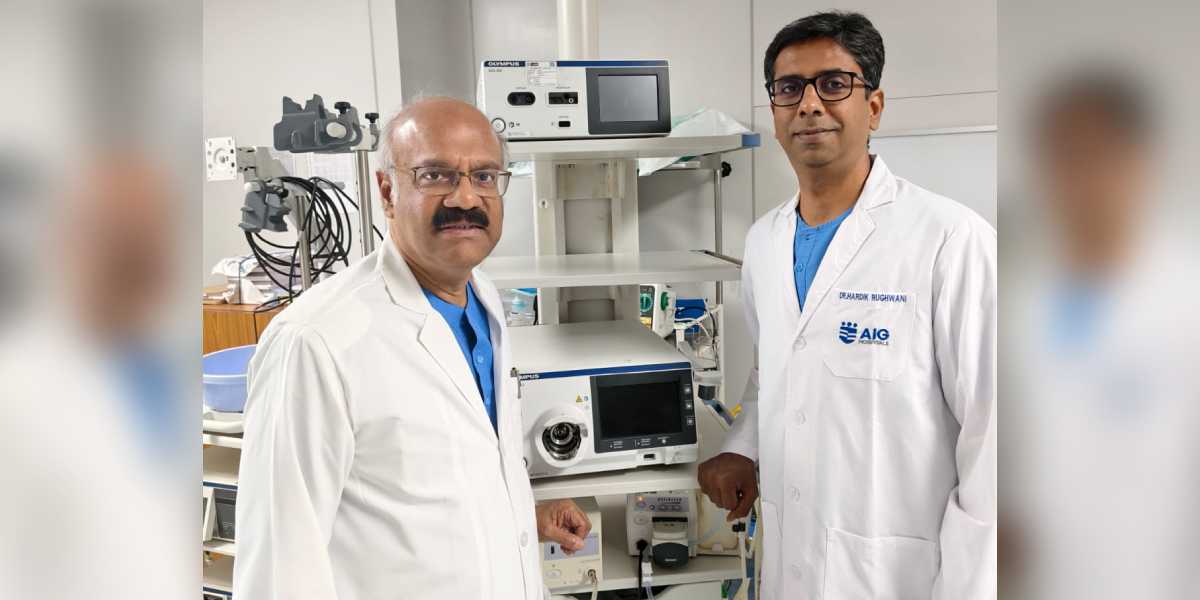
Hyderabad-based AIG Hospitals' study highlighted how choosing an appropriate diagnostic test could reduce carbon footprint.

Synopsis: A study by Hyderabad-based AIG Hospitals found that intestinal ultrasound had the lowest carbon footprint and hospital cost among imaging tests assessed for inflammatory bowel disease. Researchers say wider use in appropriate follow-up care could cut emissions and costs, showing how diagnostic choices can make healthcare more environmentally sustainable.
Medical scans and diagnostic procedures help doctors detect diseases, assess complications and monitor patients. But repeated investigations also come with an environmental cost, from the electricity consumed by imaging equipment to the water, medical supplies and waste generated during procedures.
A study by Hyderabad-based AIG Hospitals highlighted how choosing an appropriate diagnostic test could reduce this footprint while also lowering healthcare costs. The research found that intestinal ultrasound produced substantially lower carbon emissions than other imaging procedures assessed for monitoring inflammatory bowel disease (IBD).
The EVERGREEN-IBD study, published in the journal Alimentary Pharmacology & Therapeutics, found that intestinal ultrasound had the lowest operational carbon footprint and hospital cost among the imaging modalities evaluated. The researchers said the findings support its wider use for follow-up monitoring when clinically appropriate.
IBD includes Crohn’s disease and ulcerative colitis, chronic conditions that often require patients to undergo repeated investigations throughout their lives. These examinations help doctors assess inflammation, monitor treatment response and identify complications. However, the cumulative resource use of repeated procedures can add to healthcare’s environmental footprint.
Healthcare contributes an estimated 4.4% to 5% of global greenhouse gas emissions. The researchers said choosing less resource-intensive diagnostic options, where they can provide the necessary clinical information, could help make healthcare more sustainable.
Led by Dr Hardik Rughwani, consultant gastroenterologist at AIG Hospitals, the study compared laboratory tests, colonoscopy and enteroscopy, CT scans, MRI scans and intestinal ultrasound. The hospital conducted the assessment in December 2025.
The estimated emissions were 0.85 kg of carbon dioxide equivalent per intestinal ultrasound examination, compared with 3.87 kg for colonoscopy and enteroscopy, 5.82 kg for CT scans and 21.25 kg for MRI scans.
This means an MRI examination generated approximately 25 times the emissions of an intestinal ultrasound in the study. The researchers estimated that intestinal ultrasound had a 96% lower carbon footprint than MRI.
The cost comparison also favoured ultrasound. At AIG Hospitals, the hospital cost of intestinal ultrasound was approximately half that of colonoscopy and one-sixth that of MR enterography, a specialised MRI examination of the bowel.
Dr D Nageshwar Reddy, chairman of AIG Hospitals, said healthcare must consider environmental responsibility alongside clinical outcomes and affordability.
“The future of healthcare must bring together clinical excellence, affordability and environmental responsibility. For chronic diseases, patients need care over many years; the choices we make repeatedly can have a substantial cumulative impact,” he said.
“When a less resource-intensive investigation can reliably answer the clinical question, its use deserves serious consideration. Sustainability should be built into how we deliver care along with patient safety and clinical need,” he added.
Also Read: What is Inflammatory Bowel Disease?
Intestinal ultrasound uses a probe moved over the abdomen to examine the bowel and assess inflammation. Unlike CT scans, it does not involve ionising radiation. It ordinarily requires neither sedation nor bowel-cleansing preparation and can be performed during a clinic visit.
These features make it a potentially useful option for patients who need regular monitoring. It can help clinicians assess disease activity and treatment response without the resources required for some other imaging procedures.
Dr Rughwani said the study examined the resources consumed by different investigations, including electricity, water, consumables and waste.
“IBD management continues for years, sometimes decades, making it important to examine both the cost and the resources used by each investigation. We combined hospital activity data with measurements and estimates of electricity, water, consumables and waste to compare these tests consistently,” he said.
“Intestinal ultrasound stood out for its low operational carbon footprint and lower hospital cost. The practical need is to expand access to appropriately performed ultrasound and integrate it into suitable follow-up assessments,” he added.
The study recorded 27,330 laboratory tests, 1,290 colonoscopy and enteroscopy procedures, 1,520 CT scans, 589 MRI scans and 923 intestinal ultrasound examinations. The researchers used the Greenhouse Gas Protocol, institutional data and a three-state power model to estimate emissions. They also conducted sensitivity analyses by varying assumptions about infrastructure allocation, equipment power consumption, procedure volumes and electricity grid emission factors.
The findings, however, do not suggest that ultrasound can replace every diagnostic investigation. Colonoscopy with biopsy remains essential for establishing an IBD diagnosis and for other indications, including cancer surveillance. CT and MRI also play important roles in assessing disease extent and identifying complications.
The researchers instead recommend using intestinal ultrasound more consistently in situations where it is clinically suitable. Their analysis estimated that substituting ultrasound for colonoscopy or enteroscopy could reduce emissions per procedure by 78%, while replacing MR enterography could reduce emissions by 96%.
The study also found that cross-sectional imaging, which includes CT and MRI, accounted for 53.7% of the total emissions from the procedures assessed, compared with 2% from intestinal ultrasound.
(Edited by Majnu Babu).



