

Published Sep 16, 2026 | 8:15 AM ⚊ Updated Sep 16, 2026 | 8:15 AM

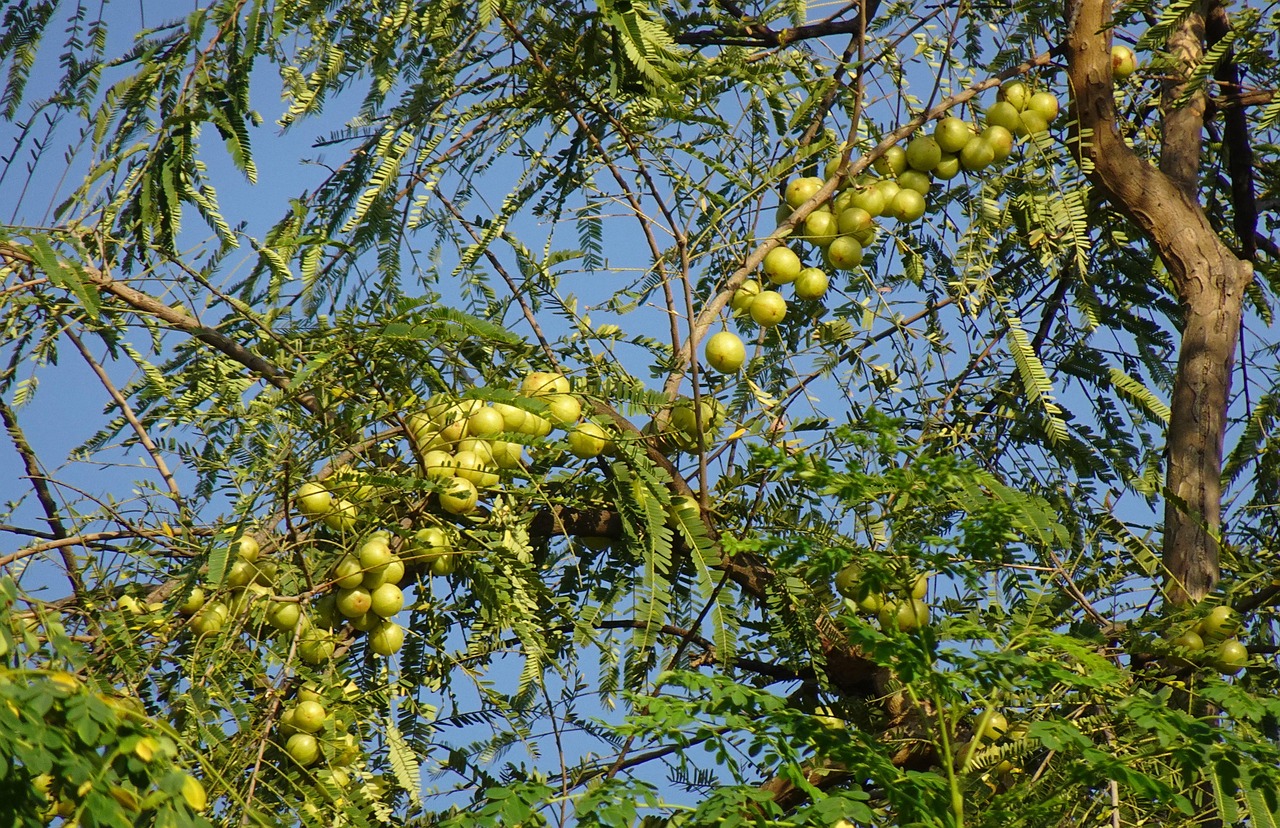
Indian gooseberry is a rich source of vitamin C.

Synopsis: A vitamin C-rich fruit does not guarantee that all its nutrients reach your plate. A new review by ICMR-NIN researchers examined how storage, oxygen, light, temperature, and cooking affect vitamin C retention. It highlighted why handling and processing matter, and how everyday kitchen choices can influence the nutritional value of fruits and vegetables.
Indian gooseberry, guava, and orange are vitamin C-rich fruits. But do you know your body may not always get the vitamin despite consuming these fruits?
A review in Food Chemistry tracked how storage, temperature, oxygen, light, pH, food structure and cooking method strip fruits and vegetables of vitamin C.
“Vitamin C, also known as ascorbic acid, is a water-soluble vitamin that humans cannot synthesise.” The body cannot make it. It relies on food for supply, and food doesn’t hold onto it well,” the study noted.
Vitamin C acts as an antioxidant. It supports collagen synthesis. It helps the body absorb iron. It also breaks down fast once you cut, store or heat the food that contains it.
Also Read: Why your daily vitamin supplements might not be working
Oxygen triggers the first stage of loss. It converts ascorbic acid into dehydroascorbic acid, a form that still carries some activity but degrades further into compounds that carry none.
Iron and copper speed up this process. The review noted that these metals “cycle between different oxidation states” and generate reactive particles that attack the vitamin.
Temperature, too, matters. The review stated that “elevated temperatures increase kinetic energy, thereby facilitating collisions with reactive species such as oxygen,” which converts ascorbic acid into its unstable form faster.
Light adds to the loss. Ultraviolet exposure breaks molecular bonds and produces free radicals that accelerate degradation.
Even the food’s structure plays a role. The review explained that “fruits with compact structures may shield ascorbic acid from rapid oxidation, unlike leafy greens with porous structures.” Moisture raises the risk too, since it makes the vitamin more open to hydrolysis.
None of these factors acts alone. Together they mean a fruit or vegetable can start with a high vitamin C count and still deliver far less by the time you eat it.
Also Read: Milk, meat and protein: Privileged veganism vs othering of the marginalised
Cooking removes vitamin C faster than almost any other step in food preparation, because the vitamin dissolves in water and breaks down under heat.
The review cited a study on strawberry puree that showed the scale of the loss. Puree that underwent standard thermal treatment and boiling lost 22.6% of its vitamin C. Puree treated with high-pressure processing lost less — about 9%.
“Minimising the heating time and temperature during the processing of fruits and vegetables will improve the retention of ascorbic acid,” the authors of the review noted.
It does not mean every cooked meal loses vitamin C. Loss depends on the food, the method, the temperature and the duration. Freezing and other gentle preservation methods help retain more vitamin C when fresh produce runs out.
Acidic conditions help too. The review noted that vitamin C “is most stable in acidic conditions”. It explained why citrus fruits and juices retain more of the vitamin content through storage than neutral or alkaline foods.
Also Read: Eat these foods for strong bones
Among the foods reviewed, two Indian staples ranked highest.
Amla, or Indian gooseberry, carries between 310 and 600 mg of vitamin C per 100 grams. Guava carries between 200 and 300 mg per 100 grams.
Kiwi, papaya, strawberry, and a range of vegetables, including peppers, broccoli, and spinach, followed gooseberry and guava.
The significance goes beyond vitamin C alone, because the vitamin drives iron absorption. It converts iron from a form the body struggles to absorb into one it can use.
The authors described this mechanism, saying, vitamin C “enhances the bioavailability of non-heme iron, especially in plant-based diets, where iron absorption is typically hindered by inhibitors such as phytates and tannins”.
In a country where plant-based meals dominate many diets, such a mechanism matters the most.
Also Read: Do you know why you crave chocolate, rice or meat?
A randomised controlled trial cited in the review followed children aged six to 10 in rural Haryana over seven months.
Researchers added guava to a daily school meal built around green gram, which already carried some iron. The guava added vitamin C.
Serum ferritin, a protein that stores iron, did not rise in a way researchers called significant. But haemoglobin did.
Children who received guava with their meal saw a 3.7 g/L increase in haemoglobin. Anaemia among the group fell by 51%. Iron-deficiency anaemia fell by 56%.
The review noted that this pattern suggested vitamin C “may enhance iron utilisation for erythropoiesis rather than storage” in iron-deficient children. It builds blood cells even when it does not fill iron reserves.
A separate study cited in the review found that adding guava to a rice-based meal nearly doubled non-heme iron absorption among adolescents, even where phytate levels ran high.
The researchers also tested adults with iron-deficiency anaemia. One group received iron supplements plus vitamin C, and another received iron supplements alone.
Haemoglobin rose in both groups by a similar margin. Serum ferritin did not differ significantly between them. The researchers concluded that vitamin C boosts iron when the body is already iron-deficient, rather than in every case.
The review cited data estimating that vitamin C insufficiency touches about 30% of India’s population.
It named dietary diversification, wider access to vitamin-C-rich foods and food-to-food fortification as strategies that could close that gap.
For a population already running short on the vitamin, every step that strips food of vitamin C before it reaches a plate carries more weight than it might elsewhere.
The authors framed the stakes this way: “Given its central role in immune defence and oxidative stress management, optimising vitamin C stability, detection, and delivery holds significant implications for public health strategies, particularly in vulnerable populations where micronutrient deficiencies are prevalent.”
Fresh fruits and vegetables remain the main source of vitamin C in most diets.
But the review’s message recommended better ways to retain vitamin C.
Store food for shorter stretches. Keep it away from heat and light. Chop fruits/vegetables closer to eating, since oxidation starts the moment you break the skin. Cook briefly over low heat, and reach for methods like steaming or high-pressure cooking instead of prolonged boiling.
None of these steps demands a change in diet. They demand a change in how we treat foods.
The authors concluded their review on this note: “Fresh fruits and vegetables are primary dietary sources of vitamin C, but its content is highly variable and sensitive to environmental and processing conditions.”
The vitamin C count on a nutrition label describes the food when harvested. What reaches your body depends on every step you take afterwards.
(Edited by Majnu Babu).



