

Published May 30, 2026 | 9:42 AM ⚊ Updated May 30, 2026 | 9:42 AM

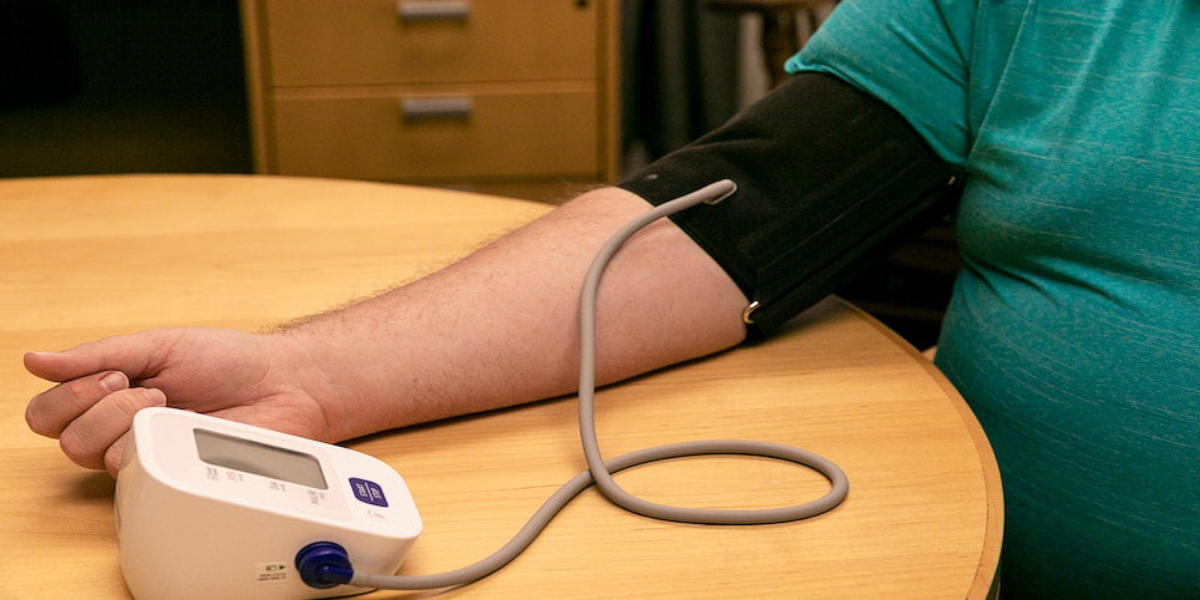
Kerala men reported the highest prevalence of elevated blood pressure, with 36.6% either having hypertension or taking medicines.

Synopsis: NFHS-6 shows that India’s hypertension prevalence has declined to 22.1% among men and 19.4% among women, but major regional disparities persist. Kerala recorded the highest prevalence among men, while Rajasthan topped among women. Southern states remained among the country’s hypertension hotspots, even as Uttarakhand saw a sharp decline and West Bengal reported a hike.
India may be witnessing a modest decline in hypertension prevalence nationally, but the latest National Family Health Survey (NFHS-6) revealed that large sections of the country continued to face a substantial burden of elevated blood pressure.
Kerala has emerged as the state with the highest prevalence among men, while Rajasthan recorded the highest burden among women.
The survey found that 22.1% of men aged 15 years and above and 19.4% of women have elevated blood pressure or have been under medication to control it. These figures represented an improvement from NFHS-5, when the prevalence stood at 24% among men and 21.2% among women.
Yet, beneath the national averages, a far more complex picture emerged. While several states reported a decline, others saw hypertension rates rising sharply.
Southern states continued to feature prominently among the country’s high-burden regions, while West Bengal emerged as one of the few states where hypertension increased significantly in both men and women.
Also Read: One in 3 Indians has hypertension
Among major Indian states, Kerala men reported the highest prevalence of elevated blood pressure, with 36.6% either having hypertension or taking medicines.
In practical terms, it meant more than one in three men in Kerala have been affected.
The state’s burden has also grown since the previous survey. Male hypertension prevalence increased from 32.8% in NFHS-5 to 36.6% in NFHS-6, up 3.8 percentage points despite the national decline.
One of the most striking aspects of Kerala’s data was the minimal urban-rural difference. Urban prevalence stood at 37.2%, while rural prevalence was 36.1%.
Traditionally, hypertension has been viewed as a disease associated with urban lifestyles, sedentary occupations and dietary changes. Kerala’s figures suggested that the condition has become widespread across the state, irrespective of the geography.
The finding became more significant because Kerala also ranked among India’s highest-burden states for overweight and obesity, another major risk factor for hypertension and cardiovascular disease.
Also Read: Indian case study shows diabetes, hypertension reversal via carnivore diet
Kerala is not alone. NFHS-6 data showed that southern states continued to feature prominently among India’s hypertension hotspots.
After Kerala, Karnataka and Tamil Nadu jointly reported male hypertension prevalence of 28.2%. Maharashtra followed at 27.7%, while West Bengal reported 24.9%.
Among the Telugu states, Telangana recorded a prevalence of 24.5% among men, while Andhra Pradesh reported 24.1%.
Both states remained above the national average of 22.1%. It meant that nearly one in four men in Andhra Pradesh and Telangana have elevated blood pressure or take medicines.
The southern pattern mirrored findings from NFHS-6 obesity data released earlier, which showed several southern states reporting some of the country’s highest rates of overweight and obesity.
Public health experts have long warned that rapid urbanisation, dietary transitions, sedentary lifestyles, population ageing and increasing metabolic disorders were driving a growing burden of non-communicable diseases across the region.
Also Read: Alarmingly high prevalence of hypertension in Hyderabad, Chennai
While Kerala topped the rankings among men, Rajasthan emerged as the state with the highest prevalence among women.
The survey found that 32% of women in Rajasthan have elevated blood pressure or are taking medicines for hypertension.
The burden was higher in rural areas than in urban centres. Among women in Rajasthan, rural prevalence stood at 34%, compared with 26.5% in urban areas.
The figures challenged the longstanding assumption that hypertension was predominantly an urban problem.
Kerala followed closely behind Rajasthan among women, with a prevalence of 31.9%.
West Bengal recorded 24.3%, while Sikkim and Tamil Nadu each reported 24.2%.
Among the southern states, Andhra Pradesh reported female hypertension prevalence of 21.8%, while Telangana stood at 20%.
Although lower than Kerala and Tamil Nadu, both states remained above the national average.
Also Read: Hypertension has seeped into rural homes
At the national level, hypertension continued to ail urban India more.
Among men, 26.2% of urban residents reported elevated blood pressure compared with 20.4% in rural areas.
Among women, urban prevalence stood at 22.7%, while rural prevalence was 18%.
However, state-level data reveal several exceptions.
Kerala showed very little difference between urban and rural populations, suggesting that the disease burden has become universal across the state.
Rajasthan presented an even more surprising picture, with rural women reporting significantly higher prevalence than urban women.
Lakshadweep also recorded higher hypertension prevalence among rural residents for both men and women.
The survey’s findings suggested that lifestyle-related diseases were increasingly spreading beyond cities and becoming a major concern in rural India as well.
One of the most important findings in NFHS-6 was that some states were recording rising hypertension prevalence despite the national decline.
West Bengal stood out among such states. Among men, hypertension prevalence increased from 20.1% in NFHS-5 to 24.9% in NFHS-6, a rise of 4.8 percentage points.
Among women, prevalence rose from 20.5% to 24.3%, representing an increase of 3.8 percentage points.
Few major states recorded increases of this magnitude in both sexes simultaneously.
The findings suggested that West Bengal may be moving in the opposite direction to the national trend and could warrant closer attention from policymakers and public health authorities.
Andhra Pradesh also recorded increases among both men and women. Male prevalence rose from 21.8% to 24.1%, while female prevalence increased from 19.5% to 21.8%.
Telangana likewise saw male hypertension rise from 22.7% to 24.5%.
Kerala, Karnataka and Maharashtra also reported an increase among men despite the broader national improvement.
If West Bengal represented the most notable increase, Uttarakhand presented the most dramatic decline.
The state recorded the largest reduction in hypertension prevalence among both men and women.
Male prevalence fell from 31.8% in NFHS-5 to 18.3% in NFHS-6, a decline of 13.5 percentage points.
Among women, prevalence declined from 22.9% to 14.5%, representing a reduction of 8.4 percentage points.
Tripura also reported substantial declines. Male hypertension prevalence fell from 21.7% to 14.1%, while female prevalence dropped from 18.3% to 12.1%.
Punjab witnessed one of the largest declines among men, falling from 37.7% to 26.3%.
Chhattisgarh and Madhya Pradesh also reported significant reductions among men.
While much attention focused on the states with the highest prevalence, NFHS-6 also highlighted regions where hypertension remained relatively less common.
Among women, Tripura reported one of the lowest prevalence rates at 12.1%, followed by Uttarakhand at 14.5%.
Among men, Madhya Pradesh reported 15.4%, Meghalaya 19.1% and Bihar 17.8%.
The survey also revealed worrying trends in some Union Territories.
Lakshadweep emerged as one of the most concerning jurisdictions in the country. The prevalence of hypertension reached 31% among men and 30.7% among women.
The burden has risen sharply since NFHS-5, increasing by 6.3 percentage points among men and 5.9 percentage points among women.
The islands have also recorded some of the country’s highest obesity rates, suggesting a growing concentration of cardiovascular risk factors.
Andaman and Nicobar Islands reported a prevalence of 31.2% among men, placing it among the highest-burden territories in the country.
While releasing NFHS-6, the Union Health Ministry highlighted significant improvements in several health indicators.
Institutional deliveries increased from 88.6% to 90.6%, antenatal care coverage rose to 95.9%, and child immunisation coverage improved substantially.
However, the ministry acknowledged that non-communicable diseases were emerging as one of India’s most pressing health challenges.
“Emerging challenges such as rising non-communicable diseases, lifestyle-related risks and the dual burden of undernutrition and rising overweight/obesity among adults highlight the need for continued focus on preventive healthcare, behavioural change and balanced nutrition strategies,” the ministry said.
Hypertension has often been referred to as a silent killer because many individuals remain unaware that they have the condition until complications arise. Uncontrolled blood pressure significantly increases the risk of heart attacks, strokes, kidney disease, heart failure and premature death.
The NFHS-6 findings suggested that although India has achieved a modest decline in hypertension prevalence overall, the burden remains substantial and unevenly distributed.
Kerala’s position at the top among men, Rajasthan’s high prevalence among women, rising rates in West Bengal, and persistent burdens across southern India underscored the need for sustained screening, early diagnosis and preventive interventions as the country grappled with an expanding epidemic of lifestyle-related diseases.
(Edited by Majnu Babu).



