


Leptospirosis spreads primarily through contact with urine from infected animals, like rodents or livestock, contaminating water or soil.

Published Dec 17, 2025 | 9:00 AM ⚊ Updated Dec 17, 2025 | 9:00 AM

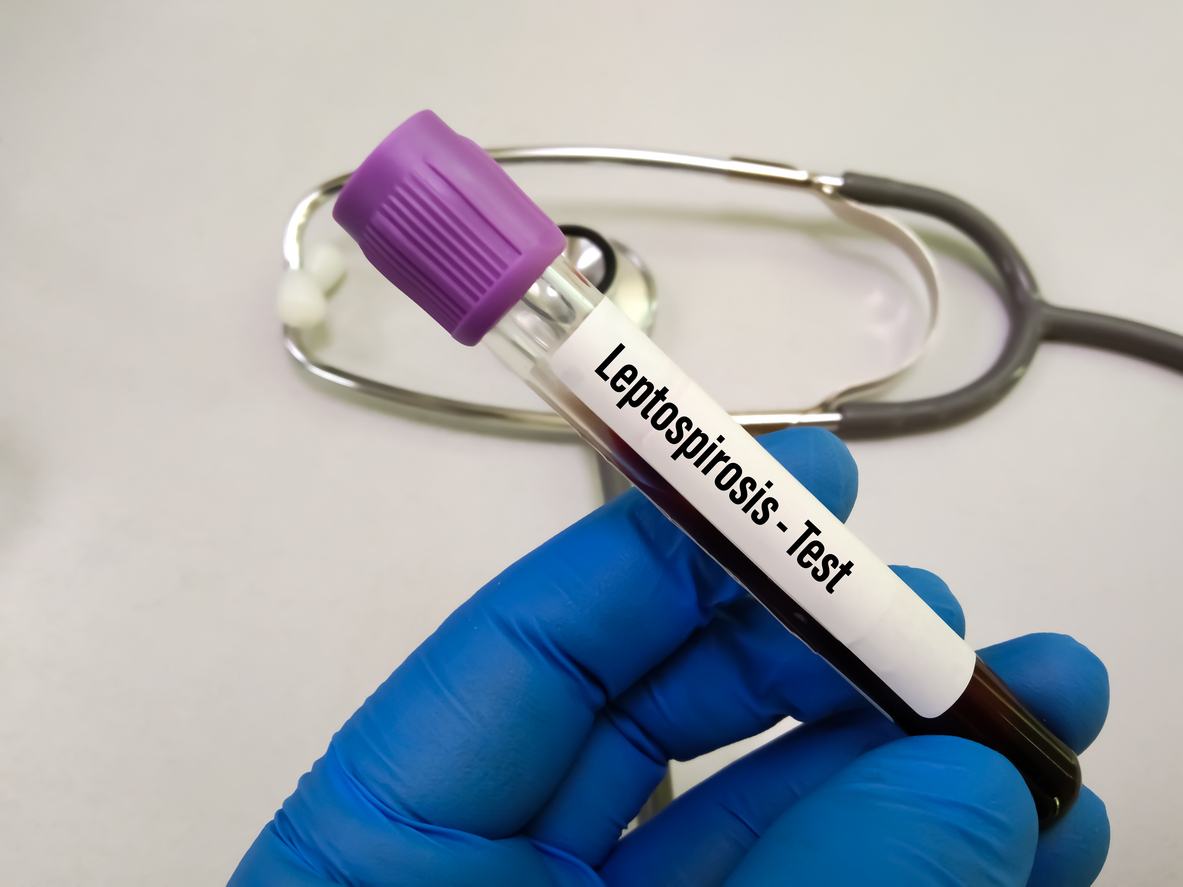
Blood sample tube for Leptospirosis test at medical laboratory. Credit: iStock
Synopsis: Kerala reported 3,259 confirmed leptospirosis cases and 209 deaths between January and December 2025, the Centre told Parliament. Endemic to the state, the disease spikes during monsoons and floods. The Union government said surveillance and response rest with states, while providing technical and financial support through national disease control programmes.
Kerala has recorded 3,259 confirmed cases of leptospirosis and 209 deaths attributed to the disease between 1 January 2025 and 5 December 2025.
These figures were provided to the Lok Sabha in response to a parliamentary query on 12 December 2025 concerning the surge in cases and related fatalities across various districts of Kerala.
The data, reported by the government of Kerala, indicates significant impact across the state, with districts like Thrissur recording 340 cases and 36 deaths, and Ernakulam reporting 492 cases and 30 deaths during this period.
Addressing the parliamentary query, the Minister of Health and Family Welfare, JP Nadda, laid a statement on the table of the House. The minister detailed the scope of the disease and the government’s responsibilities.
In his statement, Nadda clarified the jurisdictional roles in disease management, asserting: “As public health is a state subject, the primary responsibility of surveillance, reporting and response of disease lies with the state government.”
Confirming the reported statistics, the minister noted: “As reported by state government of Kerala there are 3,259 confirmed leptospirosis cases and 209 deaths from 1 January 2025 till 5 December 2025.”
“Leptospirosis is endemic in Kerala, often associated with monsoon seasons. To help combat the disease, the Ministry is implementing the Programme for Prevention and Control of Leptospirosis (PPCL) through the National Centre for Disease Control (NCDC). Kerala is one of 12 endemic states covered by this initiative,” Nadda explained.
PPCL is designed to reduce morbidity and mortality by strengthening surveillance and diagnostics, ensuring early detection and treatment, and enhancing capacity building among healthcare professionals. Specific initiatives in Kerala include the strengthening of the State Public Health Laboratory in Thiruvananthapuram and the establishment of five sentinel surveillance sites under the National One Health Programme.
“Furthermore, the Ministry provides both technical and financial support to the state government through the National Health Mission (NHM) to reinforce healthcare systems, based on proposals submitted by Kerala in its Program Implementation Plans,” said Nadda.
Leptospirosis is a bacterial zoonotic disease caused by spiral-shaped bacteria from the genus Leptospira. It spreads primarily through contact with urine from infected animals, like rodents or livestock, contaminating water or soil, especially in tropical or flood-prone areas.
Mild cases mimic flu with fever, headache, muscle pain, and chills, often resolving in days. Severe forms, known as Weil’s disease, involve jaundice, kidney failure, liver damage, or meningitis, affecting about 10 percent of cases and potentially leading to death without treatment.
Humans contract it via cuts, mucous membranes, or ingestion of contaminated water or soil; outbreaks surge after heavy rains or flooding. Animals like rats, dogs, and cattle are common carriers, with rare human-to-human spread.
Antibiotics like doxycycline treat it effectively if started early; supportive care manages severe organ issues. Prevention includes avoiding floodwater, rodent control, protective gear for at-risk workers, and vaccination for animals in endemic zones.
Leptospirosis cases are notably high in Kerala due to the state’s tropical climate, heavy monsoon rains, and frequent flooding, which create ideal conditions for the bacteria to thrive in contaminated water and soil.
Kerala’s marshy landscapes, year-round cultivation, and constant soil moisture from irrigation sustain rodent populations—the primary carriers—making transmission easier through cuts or ingestion during floods.
High prevalence affects farmers, fishermen, and oyster catchers in rural midlands like Kolenchery and Kannur, where serogroups like Autumnalis dominate; Kerala reports among India’s highest rates at around 60 percent positivity in studies.
“Kerala is in the wet tropical geographical zone with annual rainfall of 3,107 mm and ambient temperature ranges from 20 to 32°C throughout the year except April and May when temperature may rise to 36°C. This climate is conducive to a group II epidemiology pattern where many hosts act as carriers and multiple serogroups are present in a limited geographical area and cases occur throughout the year,” studies have found.
Kerala receives heavy rains and intermittent floods from April to October. Intermittent flooding of low-lying areas leads to repeated flushing out of the forests and farmlands and the rodent burrows there into all water sources including ponds, streams, rivers and canals where leptospires can survive for months.
This contamination of surface water can cause monsoon outbreaks as well as sporadic cases throughout the year. Epidemics of leptospirosis during monsoon months have been reported from Kerala, studies have found.
(Edited by Amit Vasudev)


