

Published Jan 16, 2026 | 9:17 AM ⚊ Updated Jan 16, 2026 | 9:17 AM

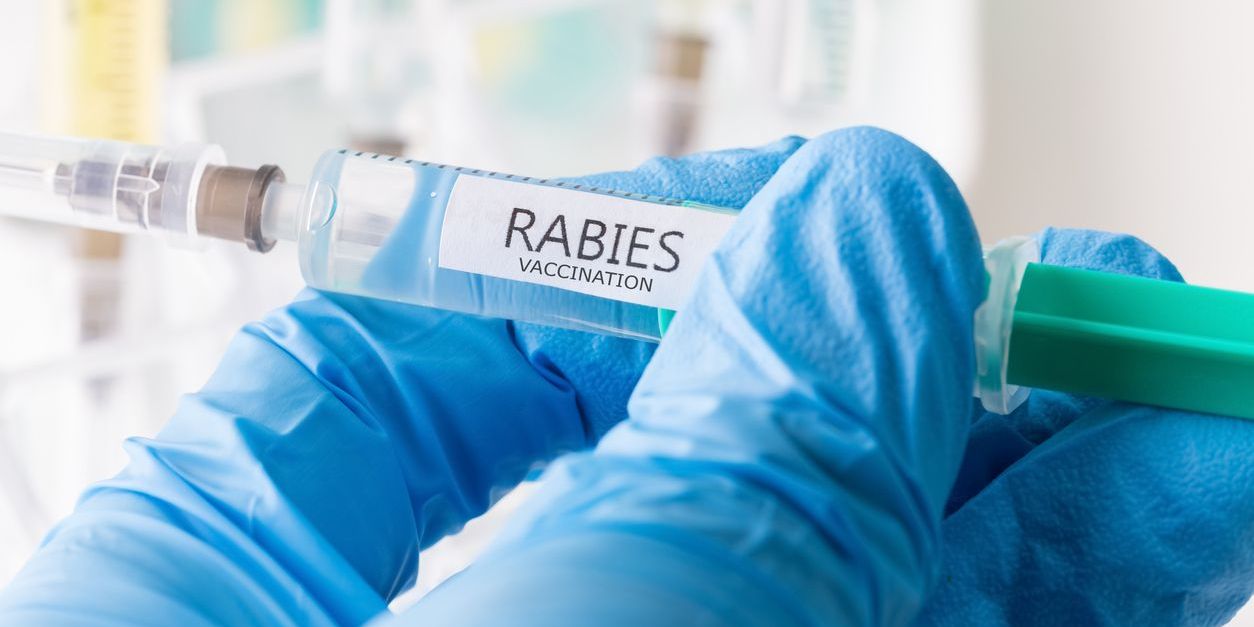
Rabies vaccination. (iStock)
Synopsis: Recent RTI replies obtained from the Kerala Drugs Control Department have raised troubling questions about whether the quality of rabies vaccines is being independently verified across districts. While doctors pointed out that testing is the responsibility of manufacturers, an activist noted the instances of fake drugs in the market.
As incidents of stray dog attacks continue to rise across Kerala, rabies vaccines and rabies immunoglobulin (RIG) have become critical, life-saving medicines for thousands of bite victims every year.
In this context, recent Right to Information (RTI) replies obtained from the State Drugs Control Department have raised troubling questions about whether the quality of these drugs is being independently verified across districts.
The RTI was filed by social activist Rijo Vallamkulam, who sought details on quality assurance measures followed for rabies vaccines supplied through government health facilities.
Responses received so far from nine districts indicated that, except for Kannur, no other districts conduct routine quality testing of these medicines.
The disclosures have triggered a wider debate on regulatory oversight, public health accountability, and whether relying solely on pharmaceutical manufacturers for quality assurance is sufficient when human lives are at stake.
According to the RTI responses, districts including Idukki, Ernakulam, Thrissur, Pathanamthitta, Kottayam, Malappuram, Thiruvananthapuram, and Palakkad have not ensured quality testing of rabies vaccines at the district level. Only Kannur district reported that quality assurance measures were being undertaken.
One of the most serious revelations concerns Pathanamthitta district, where officials stated that no quality testing of rabies vaccines has been conducted since 2021.
This is despite the existence of legal provisions mandating that medicine samples from all districts must be sent for quality testing through the Drugs Control Department.
For the petitioner, the absence of records itself is alarming. “If quality testing is done, there should be reports. If there are no reports, it means there is no independent verification,” Vallamkulam said, adding that silence in official replies cannot be treated as compliance.
A contrasting view comes from Dr Ramesh M, Professor of Community Medicine at KIMS, Bengaluru, who works closely with rabies vaccines. According to him, testing vaccine potency is primarily the responsibility of manufacturers and is done at the time of production through clinical trials and regulatory approvals.
“Potency testing is done at the manufacturer level. The responsibility of the district is mainly to maintain the cold chain between 2 and 8 degrees Celsius,” he told South First.
He added that most districts, including those in Kerala, have adequate cold-chain infrastructure such as ice-lined refrigerators and deep freezers with temperature monitoring systems.
Dr Ramesh said he found it difficult to believe that cold-chain maintenance was failing in Kerala, noting that the state has a strong reporting and monitoring system. “If there were any widespread breach of the cold chain, it would be a completely different issue,” he added.
So far, the RTI replies do not indicate any such failures in Kerala, even though lapses in documentation and testing have been highlighted.
Reflecting on international alerts, including a case reported, regarding counterfeit rabies vaccines, Dr Ramesh noted that such incidents, though rare, highlight the need for vigilance in vaccine distribution and quality assurance.
“These incidents demonstrate why independent monitoring is crucial to prevent counterfeit products from entering the supply chain,” he said.
While acknowledging the doctor’s explanation, Vallamkulam argued that relying solely on manufacturer assurances is risky in a public health system.
“We cannot blindly trust manufacturers, especially when it comes to life-saving medicines. Independent government testing acts as a safeguard,” he told South First.
He pointed out that Kerala itself has witnessed multiple instances where the State Drugs Control Department has seized counterfeit medicines and even government-supplied drugs due to quality issues.
“From fake toothpaste to adulterated cooking oil and substandard cough syrups, we have seen repeated quality failures. So why should vaccines be exempt from scrutiny?” he asked.
The activist also noted that several rabies deaths have been reported in the state even after vaccination, underscoring the need for transparency.
“Ensuring the quality of life-saving medicines is not optional. It is part of the constitutional duty of the state under Article 21 — the Right to Life,” he said.
Building on this, Vallamkulam approached both the Kerala State Human Rights Commission (SHRC) and the National Human Rights Commission (NHRC), arguing that failure to ensure quality assurance of life-saving medicines amounts to a violation of fundamental rights.
In his complaint letter to the NHRC, Vallamkulam broadened the concern to public safety, pointing out that “rising stray dog attacks, coupled with administrative inaction, constitute a serious violation of citizens’ rights to life, personal safety, and freedom from fear.”
He urged the commission to direct state authorities to implement Supreme Court orders on stray dog management, ensure sterilisation and vaccination, remove aggressive animals from public spaces, and monitor compliance through regular reports and recommend compensation for victims of severe dog attacks.
The issue also coincides with renewed scrutiny from the Supreme Court, which warned states over rising dog-bite incidents and hinted at heavy compensation for victims, especially children and the elderly. The apex court has repeatedly stressed that public safety cannot be compromised due to administrative inaction.
At the heart of the controversy lies the question: When lives depend on vaccines, who verifies that safeguards are working? While medical practice relies on manufacturer testing and cold-chain maintenance, the activist argued that independent government verification is essential to maintain public trust.
The RTI disclosures have not accused specific vaccines of being ineffective, but they have exposed gaps in documentation, transparency, and oversight. For many public health observers, this distinction is crucial.
As stray dog attacks continue and dependence on rabies vaccines grows, the debate sparked by these RTI replies has moved beyond procedures. It has become a larger conversation about accountability, transparency, and the state’s obligation to protect human life.
(Edited by Muhammed Fazil.)


