

Published Feb 16, 2026 | 7:00 AM ⚊ Updated Feb 16, 2026 | 7:00 AM

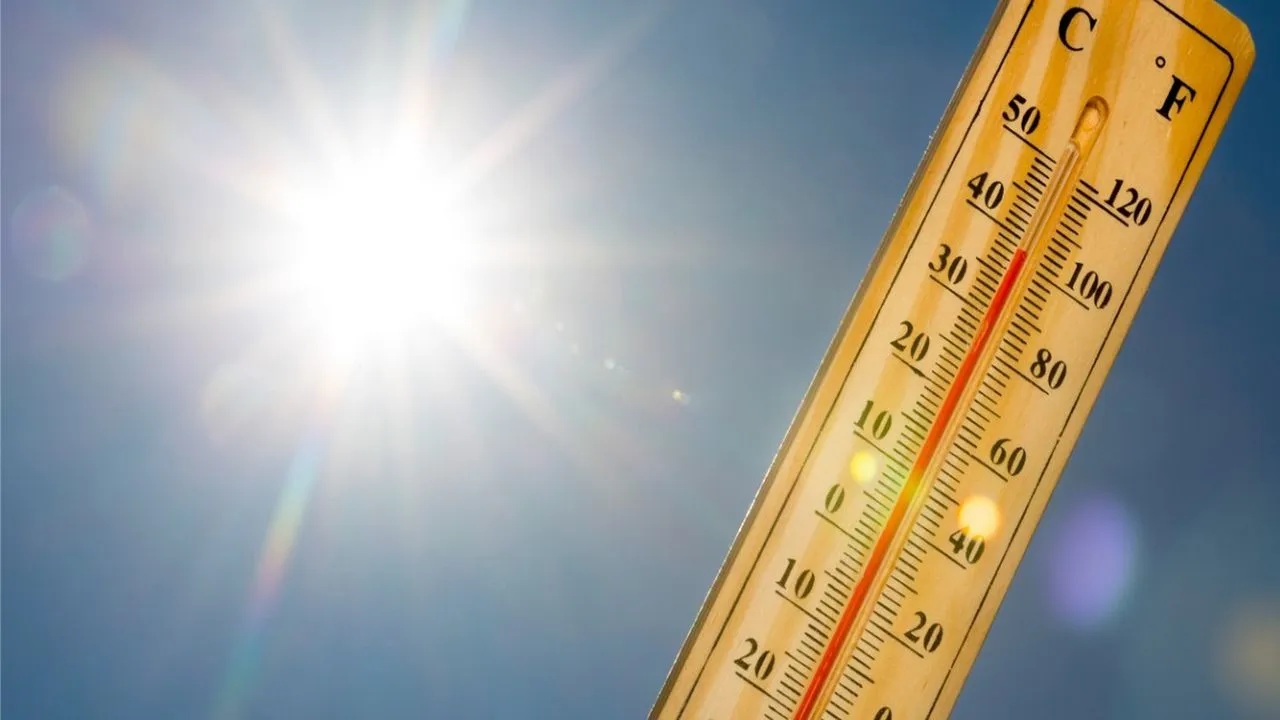
Outdoor workers, fishermen, tourists, bikers and people with existing health conditions are particularly vulnerable.
Synopsis: Kerala is set to see a rise in temperatures over the coming days, with the India Meteorological Department forecasting an increase of 2°C to 3°C. The Kerala State Disaster Management Authority has warned that prolonged exposure to heat and ultraviolet radiation can cause dehydration, heat exhaustion and heatstroke if precautions are not taken.
The Kerala State Disaster Management Authority (KSDMA) on Sunday, 15 February, warned that rising heat in the coming days could pose serious health risks if people do not take precautions.
Forecasts from the India Meteorological Department (IMD) show that maximum temperatures may rise by 2°C to 3°C over the last two weeks of February. Kannur has already recorded 37.2°C, the highest in the state in recent days.
Officials warn that prolonged exposure to heat and ultraviolet (UV) radiation can cause dehydration, sunburn, skin and eye problems and, in severe cases, heat exhaustion or heatstroke.
UV levels are usually highest between 10 am and 3 pm. Authorities have urged people to avoid staying outdoors during these hours unless absolutely necessary.
Outdoor workers, fishermen, tourists, bikers and people with existing health conditions are particularly vulnerable. Continuous exposure without water or shade can quickly cause fatigue, dizziness and headaches, early signs of heat stress.
Dry mouth, dark urine, muscle cramps and unusual tiredness are warning signs not to ignore, the advisory said.
As temperatures rise, the body loses fluids faster through sweat. If fluids are not replaced, blood pressure can drop, kidney function can suffer and stamina can fall.
The advisory also warns against alcohol and excessive soft drinks, which can worsen dehydration. Instead, it recommends fluids that replenish salts and minerals.
Confusion, fainting, persistent vomiting, a very high body temperature or a sudden stop in sweating despite the heat are medical emergencies and require immediate attention.
The Ministry of Health and Family Welfare has advised people to take simple, consistent precautions.
“People must avoid direct sun exposure during peak hours and ensure adequate hydration throughout the day,” the Ministry said in its advisory. It added that “heat-related illnesses are preventable if early precautions are taken.”
The Ministry advised the public to:
(Edited by Dese Gowda)


