

Published Aug 24, 2026 | 12:27 PM ⚊ Updated Aug 24, 2026 | 12:27 PM

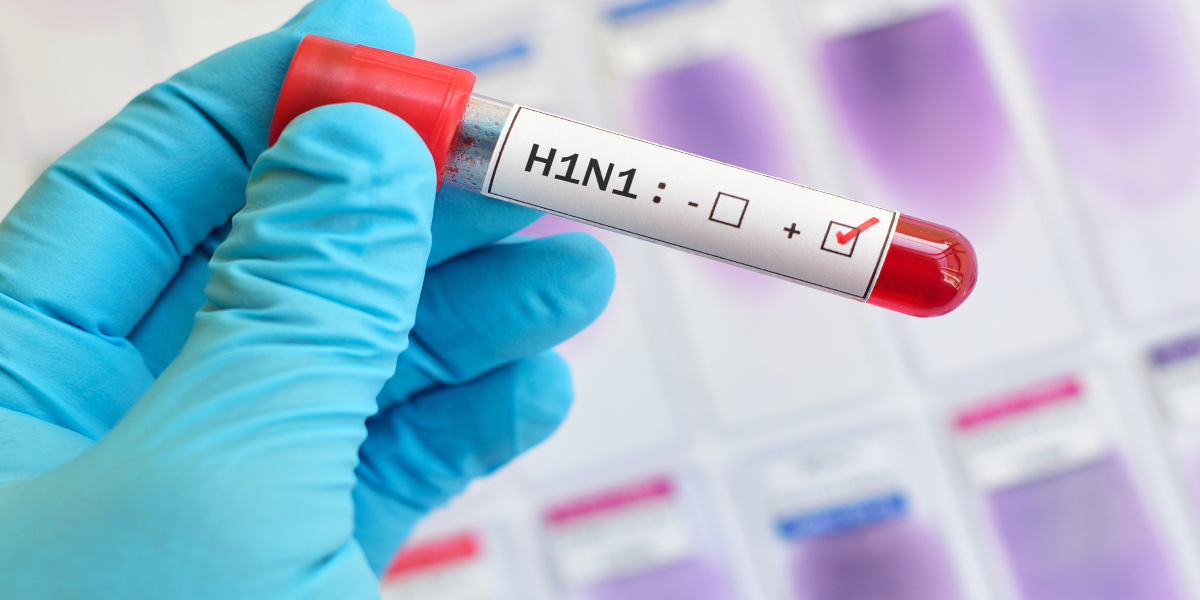
Doctors attributed the spurt in H1N1 cases to the monsoon.

Synopsis: Karnataka recorded 4,212 laboratory-confirmed H1N1 influenza cases across 32 districts by August 22, with Bengaluru accounting for nearly 73% of cases. The health department said the rise reflects the seasonal monsoon surge rather than an unusual outbreak. Authorities have strengthened surveillance, preparedness and treatment measures while urging people to take precautions.
Karnataka recorded 4,212 laboratory-confirmed H1N1 influenza-positive cases across 32 districts up to 22 August, 2026, according to state surveillance data, with Bengaluru accounting for a large share of the cases. The state health department, however, said the rise is part of the usual seasonal pattern of influenza during the monsoon and asked people not to panic.
The number of cases recorded so far this year is only slightly below the 4,583 cases reported during the whole of 2025, and higher than the 3,903 cases recorded in 2024. The figures were released by the Karnataka Department of Health and Family Welfare as the state reviewed its preparedness for a possible increase in seasonal influenza cases on Monday, August 24.
The health department said influenza in Karnataka generally follows two seasonal peaks, from January to March and July to September. It described the current increase in H1N1 influenza, also referred to as seasonal flu, as a cyclical monsoon surge rather than an unusual outbreak.
Also Read: Centre restricts sale of cough and cold drug combinations, cites risk to children below four
Bengaluru has reported the highest number of influenza-positive cases in the state so far this year. The Greater Bengaluru area recorded 2,070 cases, while Bengaluru Urban reported another 1,011 cases.
Together, these two areas account for 3,081 cases, or about 73% of Karnataka’s total recorded cases up to August 22.
Other districts reporting relatively higher numbers include Udupi with 300 cases, Mysuru with 187, Shivamogga with 91 and Dakshina Kannada with 87 cases. Ballari recorded 53 cases and Belagavi 47.
Several districts have reported comparatively few cases. Bidar recorded no laboratory-confirmed cases up to August 22, while Raichur reported four, Kalaburagi five, Vijayapura six and Yadgir one.
The district-wise figures are based on influenza surveillance data reported through the Integrated Health Information Platform (IHIP).
The health department said it has strengthened surveillance for influenza-like illness (ILI) and severe acute respiratory infections (SARI) through designated sites.
The surveillance network includes sites identified through the ICMR-NCDC network for pan-respiratory virus surveillance, as well as Viral Research and Diagnostic Laboratories. The state said the arrangements are intended to ensure timely collection and testing of samples, with adequate laboratory consumables available.
Following a review meeting chaired by the health minister, officials were asked to ensure that health facilities have adequate supplies, including PPE, N95 masks and oseltamivir, an antiviral medicine used for influenza treatment.
Healthcare workers have also been sensitised to recognise ILI and SARI early, assess the risk of complications and manage cases appropriately.
Private hospitals and other healthcare facilities have been advised to follow state protocols for screening, testing and treatment of H1N1 cases. They have also been asked to report cases to surveillance authorities through the IHIP platform.
Also Read: When H1N1 moves from classrooms to households, doctors say don’t panic but watch closely
People with symptoms have been advised to cover their nose and mouth while coughing or sneezing, wash their hands regularly with soap and water, drink plenty of fluids and isolate themselves when required. The department has also advised symptomatic people to avoid crowded places and handshakes and not to touch their eyes, nose or mouth.
The state has specifically advised people against self-medication and urged those with symptoms to seek care at the nearest government health facility.
The health department said seasonal influenza can be prevented and managed, and that early detection, timely treatment and protection of high-risk groups can help reduce severe illness and deaths.
(Edited by Fayisa CA)



