


Published Mar 06, 2026 | 4:37 PM ⚊ Updated Mar 06, 2026 | 7:32 PM

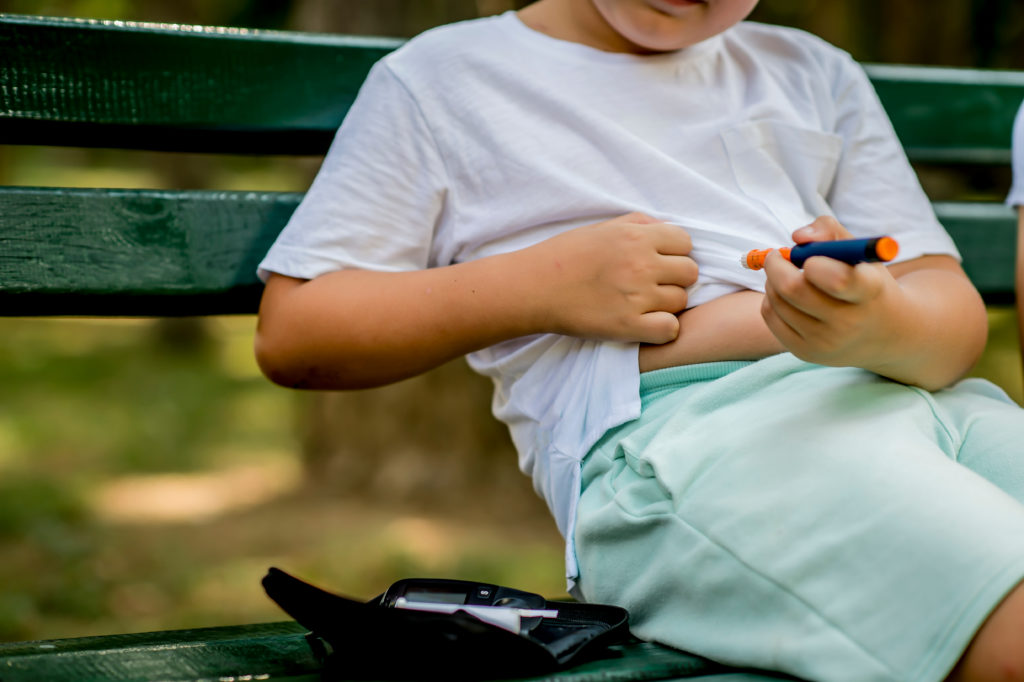
Oral medications do not work for type 1 diabetes; only insulin injections are effective.
Synopsis: Studies have shown that insulin availability has been a concern. Recently, a qualitative study on Type 1 diabetes Mellitus from the Community Medicine Department of MS Ramaiah Medical College, along with Karnataka Institute of Endocrinology, found that erratic insulin supply, inadequate financial protections, substantial out-of-pocket expenses and inadequate health infrastructure in rural areas were key barriers affecting patient care.
In a welcome public health intervention, Karnataka Chief Minister Siddaramaiah on Friday, 6 March, proposed free insulin pens for children living with type 1 diabetes.
The proposal was made in the State Budget. Its implementation could ease a crushing monthly burden for thousands of families and make a long-overdue shift toward treating childhood diabetes as an urgent state responsibility.
“I am very happy that the Karnataka government has announced free insulin pens for diabetes patients under 18 years of age. This is a great step forward and will increase patient compliance with their type 1 diabetes treatment, Dr V Mohan, Chairman of Madras Diabetes and Research Centre, said.
“Eventually, if deserving patients are also provided with an automated insulin delivery system (AI-driven pump) that would make the lives of children and adolescents with type 1 diabetes much happier,” he added.
Doctors from Karnataka lauded the Budget proposal. Dr Abhay G, a diabetologist from Bengaluru, told South First that for children with type 1 diabetes, insulin was not a supportive medicine but a life-saving necessity.
Missing doses or rationing insulin could lead to serious complications. “By committing free insulin, the State has acknowledged that treatment for childhood type 1 diabetes cannot be left entirely to a family’s ability to pay,” he said.
Dr Manohar KN, a diabetologist, welcomed the State government’s progressive initiative to establish Nutrition Rehabilitation Centres and to provide free insulin pens for children with diabetes.
He added that the government’s initiative would be reassuring for families with children having diabetes.
Studies have shown that insulin availability has been a concern. Recently, a qualitative study on Type 1 diabetes Mellitus from the Community Medicine Department of MS Ramaiah Medical College, along with Karnataka Institute of Endocrinology, found that erratic insulin supply, inadequate financial protections, substantial out-of-pocket expenses and inadequate health infrastructure in rural areas were key barriers affecting patient care.
It noted that insulin availability in government hospitals was a major challenge, and many times, caregivers had to buy it privately.
Also, children had to miss school, and parents had to lose wages to get insulin shots due to the absence of local diabetes clinics. Patients often travelled 80-100 km a month to access care.
Dr Santosh Olety Sathyanarayana, Associate Professor and Head of the Department of Paediatric and Adolescent Endocrinology, Karnataka Institute of Endocrinology Research, said that type 1 diabetes is incurable, and children diagnosed with it have to live with the condition for life.
Oral medications do not work for type 1 diabetes; only insulin injections are effective. This places a heavy financial burden on parents, who need support from all stakeholders.
On average, managing the condition costs around ₹5,000 per month, and a significant portion of a family’s income goes towards treatment.”
He explained that without proper care, children might develop serious complications such as vision loss and kidney failure, affecting not just the child’s quality of life but also that of the entire family.
“Government support can make a huge difference. It can ease the financial burden on families, help them focus on the child’s schooling, care for their other children, reduce school dropouts, and improve overall quality of life. It can also make a critical difference in securing the child’s future and ensuring emergency care when needed. Providing this free of cost is a great step that will benefit several children. I see at least 250 children with type 1 diabetes every month, and at least 10 to 15 of them are newly diagnosed,” he added.
Dr Deepa R, Research Scientist from PHFI -IIPH Bengaluru, said, “Evidence from a recent study by Verschka et al shows that families managing type 1 diabetes often struggle with financial hardship, stigma and psychological stress, particularly affecting girls. Ensuring free insulin for children under 18 is a critical step toward equity in care. However, the true impact will depend on the sustained implementation of accurate patient mapping, uninterrupted insulin supply, and provision of glucometers so families can monitor blood glucose and adjust treatment safely with medical guidance.”
Public health experts have long argued that childhood type 1 diabetes calls for stronger policy attention because the burden falls on the entire family. Parents must manage infections, diet, school schedules, blood sugar monitoring and emergencies every day.
State support, therefore, doctors said, could make the difference between irregular care and sustained treatment.
“T1DM is usually seen as a rich person’s disease, and only children born to the rich will get it. This is not true. It can come to anyone, its a autoimmune disease. Children in rural areas struggle to meet out-of-pocket expenses and miss out on higher education due to the same. This move will help bridge that gap,” the senior doctor said.
Meanwhile, Dr Mohan appreciated the government for its plan to set up nutrition rehabilitation centres to combat malnutrition.
“This is still a problem in our country, and if we tackle malnutrition, it will not only help in preventing communicable diseases but also non-communicable diseases, as malnutrition is also linked to non-communicable diseases like diabetes,” he said.
(Edited by Majnu Babu).


