

Published May 22, 2026 | 7:00 AM ⚊ Updated May 22, 2026 | 7:00 AM

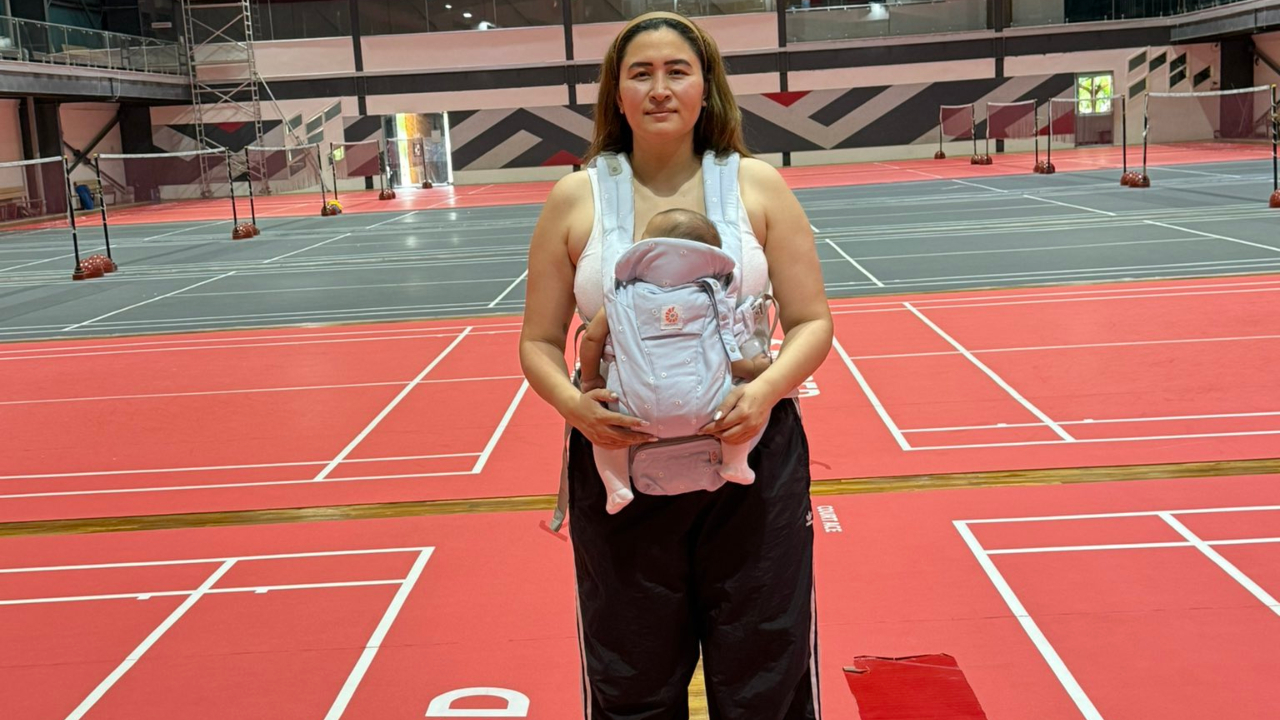
Former Indian badminton ace Jwala Gutta. Credit: x.com/Guttajwala

Synopsis: Former badminton star Jwala Gutta highlighted human milk donation by sharing her 60-litre contribution to hospitals. Experts stress breast milk’s unmatched role in immunity, brain growth, and infection prevention, especially for premature babies. Donor milk, screened and treated like medicine, bridges gaps until mothers produce their own. WHO advises exclusive breastfeeding for six months, continuing up to two years.
Former Indian badminton player Jwala Gutta sparked a conversation about human milk donation on 14 May 2026, when she posted on X that she had donated around 60 litres of breast milk to government hospitals in Hyderabad and Chennai during her first year postpartum.
“Even 100 ml of donor milk can feed a 1 kg premature baby for several days,” she wrote, pointing to the dozens of infants in NICUs who stand to benefit.
I donated around 60 litres of breast milk to the government hospital in Hyderabad and Chennai during my first year of post partum!!
Why does it matter? Just 100ml of donor milk can feed a tiny 1kg baby for several days. This donation could potentially support dozens of infants… pic.twitter.com/JzEXQZDrXa
— Gutta Jwala 💙 (@Guttajwala) May 14, 2026
Breast milk functions as more than food. It carries fat, water, lactose, carbohydrates, protein and antibodies that support brain development, build immunity and sustain consistent growth in newborns. It also works to prevent infections.
Dr Suparna Mukherjee, nutritionist and dietician at Narayana Health, Bengaluru, explained to South First why the first exposure to nutrition matters so deeply.
“A baby’s stomach is sterile before birth, and the first exposure to bacteria happens during delivery through the mother’s birth canal. These beneficial bacteria help build the baby’s immunity. Mother’s milk contains both prebiotics and probiotics that support healthy bacterial growth and strengthen immunity,” she said.
“Breast milk saves lives.For premature and sick babies, donor milk can be life changing. If you’re able to donate, you could be a hero to a family in need. Learn more, share the word, and support milk banks! 💜 #BreastMilkDonation #DonateMilk #InfantHealth pic.twitter.com/qbMle3pgpR
— Gutta Jwala 💙 (@Guttajwala) August 17, 2025
For premature babies, however, feeding directly from the mother is often not possible. When infants are admitted to the NICU, they cannot always receive sufficient milk from their mothers immediately after birth. This is where milk banks step in, collecting breast milk donated by other women to feed these infants.
Dr Raghuram Mallaiah, neonatologist and co-founder of the Breast Milk Foundation, told South First that donor breast milk undergoes thorough screening before it reaches any infant.
“We do a thorough screening of their history so that they don’t have any chronic illnesses,” he said, adding that mothers are eligible only if their viral marker tests return normal results.
Donors are screened for infections, chronic illnesses and viral markers. Milk is pumped, stored in refrigerators or freezers, and later collected by the milk bank team. Donors who smoke, consume alcohol, or take regular medication are rejected. Diabetic mothers, however, face no restrictions. Most donors continue donating for two to six months after a one-time screening.
India currently has 125 operational milk banks, run by government institutions, hospitals and NGOs.
Dr Raghuram told that donor milk is prioritised for the most vulnerable babies in the NICU. It is not considered merely nutritional support but closer to medicine for at-risk infants. Not every premature baby receives it.
Dr Mukherjee reinforced this point. Critically ill babies, especially those in paediatric cardiac ICUs, often experience reduced blood flow and poor nutrient absorption, which affects both growth and immunity.
“When a mother’s own milk is unavailable, donor milk becomes the best alternative, provided the donor is free from communicable diseases. Donor milk can be given through tubes or feeding devices and plays a major role in treating critically ill babies in NICUs,” she said.
Formula milk, she said, replicates only around 60 percent of breast milk’s benefits. “Human milk still remains unmatched because no formula can completely recreate its immune-building properties.”
Breast milk, whether from a mother or a donor, also reduces feeding intolerances and lowers the risk of necrotising enterocolitis, a severe intestinal condition in premature infants that can turn fatal. When donor milk is unavailable, hospitals use a specially formulated substitute, though Dr Raghuram is clear that it remains the less protective option.
Dr Raghuram also pushed back against a widespread assumption: that mothers of premature babies cannot produce sufficient milk.
Premature infants born before 32 weeks cannot suckle directly, which means mothers must begin pumping immediately after birth. “We encourage all mothers to pump the milk. The moment they start pumping, within 48 to 72 hours, the milk starts coming in,” he said.
Donor milk serves only as a bridge. “By the 4th or the 5th day, when the mother is producing her own milk, the milk supply from the milk bank is cut,” he said.
With proper motivation, almost all mothers produce enough. In fact, 20 to 25 percent of donations to milk banks come from mothers who have themselves delivered premature babies, and who donate precisely because they understand what is at stake.
WHO guidelines recommend exclusive breastfeeding for the first six months. After that, complementary foods can be introduced gradually while breastfeeding continues.
Dr Mukherjee said that breastfeeding can continue alongside regular meals up to two years, given the emotional and physical bond it sustains between mother and child. Beyond that point, however, the calculus shifts.
“After two years, breast milk is no longer nutritionally necessary. At that stage, milk production naturally decreases and relying only on breastfeeding may affect the child’s intake of solid food and overall nutrition. Extended breastfeeding beyond that becomes more of a habit than a nutritional requirement,” she said.
(Edited by Amit Vasudev)



