

Published Jun 17, 2026 | 7:00 AM ⚊ Updated Jun 17, 2026 | 7:00 AM

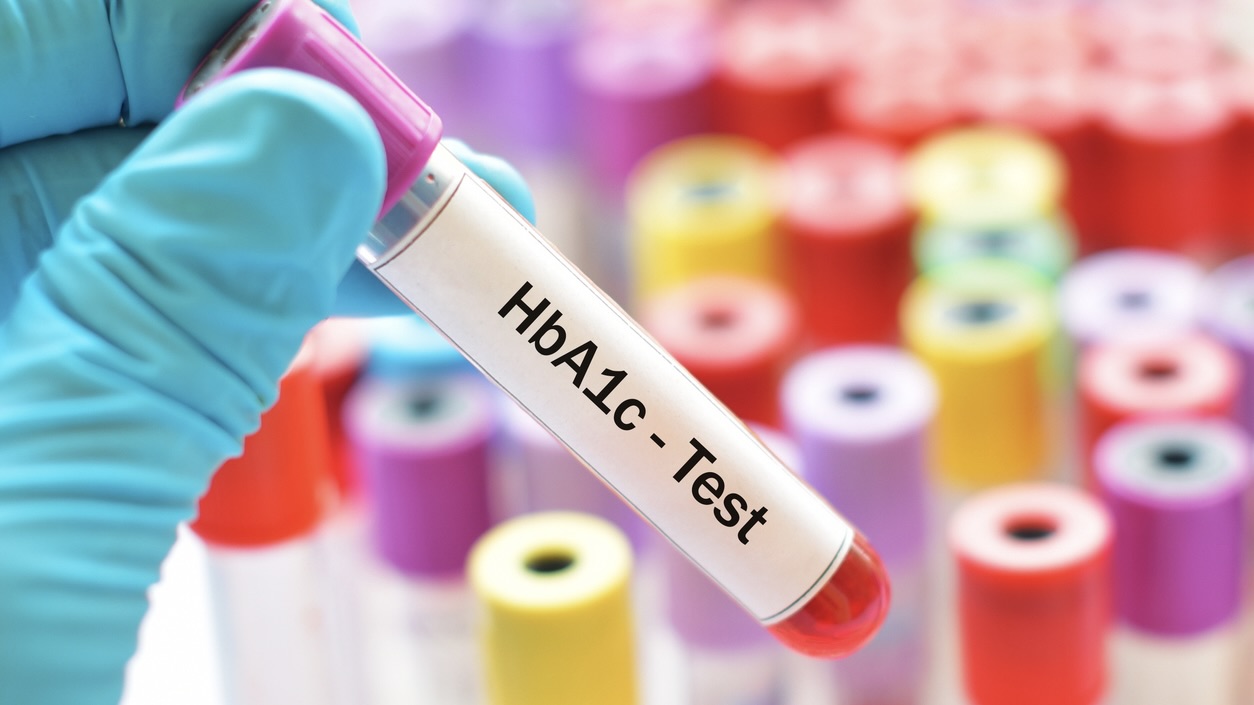
The HbA1c test works by measuring the percentage of haemoglobin in red blood cells that has absorbed glucose.

Synopsis: A long-term South Asian study has found that type 2 diabetes and prediabetes consist of distinct metabolic subtypes with markedly different risks of premature death. Researchers identified insulin-deficient groups as carrying the highest mortality burden, suggesting current diagnostic categories may overlook high-risk patients and strengthening the case for personalised diabetes care in India.
A study tracking over 21,000 adults across Delhi and Chennai over 14 years has found that people with type 2 diabetes and prediabetes fall into distinct metabolic groups. Some of them face a substantially higher risk of early death than others, it noted.
Challenging the standard practice of treating diabetes as a single condition, the study stressed on the need for more personalised care in South Asian populations.
The research drew on data from the Centre for Cardiometabolic Risk Reduction in South Asia (CARRS) cohort, one of the region’s most extensive cardiometabolic studies.
Investigators from Atlanta, US-based Emory University, Madras Diabetes Research Foundation, Public Health Foundation of India, and All India Institute of Medical Sciences contributed to the analysis.
Also Read: Over 1 in 5 Indian adults now have diabetes or high blood sugar
Doctors currently diagnose type 2 diabetes and prediabetes using blood sugar thresholds, a system that groups people whose underlying metabolic dysfunction can differ considerably.
The CARRS study applied a data-driven clustering method, previously validated in over 20 studies globally, to sort participants into subtypes based on five variables: age, body mass index, HbA1c, insulin resistance, and beta-cell function.
The researchers performed what they described as de novo clustering, building the classification from scratch rather than importing European-derived categories, to account for the distinct metabolic characteristics of South Asian bodies.
South Asians tend to develop diabetes at younger ages and lower body weights than European populations, with differences in how their pancreas secretes insulin and how their tissues respond to it.
“Current definitions of type 2 diabetes and prediabetes do not capture their pathophysiological heterogeneity,” the authors wrote, arguing that the standard diagnostic framework misses clinically meaningful variation within these conditions.
Also Read: When diabetes strikes the undernourished
Among 2,639 participants with type 2 diabetes, three subtypes emerged. Severe Insulin-Deficient Diabetes, or SIDD, accounted for 23% of cases. This group showed the highest HbA1c levels and the lowest beta-cell function, meaning the pancreas had lost much of its capacity to produce insulin.
Mild Insulin-Deficient Diabetes, or MIDD, made up 54.5% of the diabetes group. Severe Insulin-Resistant Diabetes, or SIRD, accounted for the remaining 22.5%, characterised by higher body weight and the body’s reduced ability to use insulin effectively.
Over a median follow-up of 10.6 years, 1,076 deaths occurred among participants, 405 of them from cardiovascular causes. The mortality gap between subtypes was stark.
Compared to people with normal blood sugar levels, those with SIDD faced a 3.34 times higher risk of dying from any cause and a substantially elevated risk of cardiovascular death. SIRD carried a 1.67 times higher all-cause mortality risk, and even MIDD, the most common subtype, showed a 1.39 times higher risk.
The risk held even among people newly diagnosed with SIDD, who had not yet accumulated years of disease burden. They showed more than double the all-cause mortality risk and 2.65 times the cardiovascular mortality risk compared to reference groups.
Among those previously diagnosed, SIDD carried a 4.17 times higher all-cause mortality risk and over eight times the cardiovascular mortality risk.
The study also calculated subtype cost in years. People with SIDD lost an estimated 17.7 years of life expectancy compared to those with normal glucose tolerance. MIDD and SIRD subtypes lost 12.8 and 12.0 years, respectively.
Also Read: In India, it’s stress behind Type 2 diabetes, say doctors
The findings extended to prediabetes, a condition often treated as a single category in clinical practice. Among 4,992 participants with prediabetes, two subtypes emerged: Insulin-Deficient Prediabetes, or IDPD, which accounted for 66% of cases, and Insulin-Resistant Prediabetes, or IRPD, which made up the remaining 34%.
The difference in mortality risk between these two groups was striking. People with IDPD carried a 32% higher risk of all-cause death and a 53% higher risk of cardiovascular death compared to those with normal glucose tolerance.
People with IRPD showed no statistically significant increase in mortality risk.
This finding carries clinical weight. It suggests that a person classified as prediabetic under current guidelines may carry a meaningfully different risk depending on whether their underlying dysfunction lies in insulin secretion or insulin resistance, a distinction current diagnostic categories do not make.
The researchers tested whether adding subtype classification to standard diagnostic categories improved the ability to predict who would die over 10 years. It did.
A model that incorporated subtype indicators alongside the five clustering variables outperformed one that used those variables alone, with a statistically significant improvement in model fit and a lower prediction error score.
“Insulin-deficient subtypes made up a high proportion of individuals with type 2 diabetes and prediabetes and were associated with higher mortality hazards and excess years of life lost,” the authors said.
The study does not prescribe treatment changes. But it builds a case that the insulin-deficient subtypes, SIDD in particular, represent a group that current diagnostic frameworks underestimate in terms of mortality risk.
Identifying such individuals early, the authors argued, could allow for more targeted interventions.
South Asia carries a disproportionate share of the global diabetes burden. India alone accounts for over 100 million people with diabetes, and the disease tends to manifest here at younger ages, compressing the window for intervention.
A classification system that identifies those at the steepest mortality risk could reshape how doctors prioritise care.
The authors noted that their findings supported the growing push toward precision medicine in diabetes management, moving away from population-level thresholds toward approaches that account for how the disease actually behaves in individual bodies.
(Edited by Majnu Babu).



