

Published Feb 26, 2026 | 11:43 PM ⚊ Updated Feb 26, 2026 | 11:43 PM

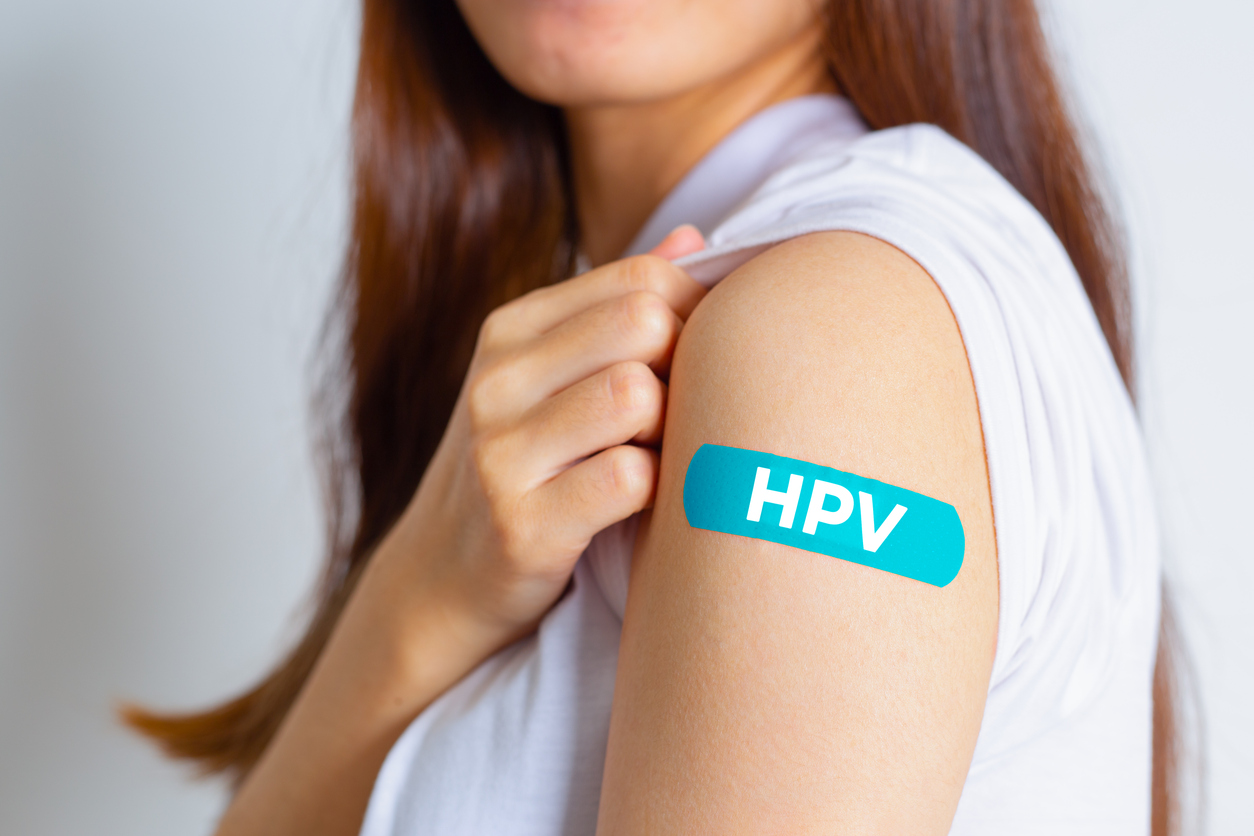
Representational image. Credit: iStock
Synopsis: India will launch its first nationwide HPV vaccination drive on 28 February from Ajmer, targeting all 14-year-old girls. Using free Gardasil 4 shots, the campaign aims to prevent cervical cancer, which kills a woman every seven minutes in India. The three-month mission involves health facilities nationwide, parental consent, and cross-department coordination to safeguard future generations.
Every seven minutes, a woman in India dies of cervical cancer. The disease does not announce itself. It moves in silence, fed by a virus most people carry without knowing. On 28 February, Centre will begin to change that.
Prime Minister Narendra Modi will launch India’s nationwide HPV vaccination campaign from Ajmer, Rajasthan, at 11:30 am on Friday. At that moment, across every state and UT, CMs, administrators and health ministers will connect virtually to witness the same event. The target: every girl in the country who turned 14 but has not yet turned 15.
“Cervical cancer is a significant public health concern in our country as well as globally. It is caused by Human Papilloma Virus and it is the only cancer which can be prevented by a vaccine,” wrote Aradhana Patnaik, Additional Secretary and Mission Director (NHM), Ministry of Health and Family Welfare, in a letter to mission directors across all states and union territories.
The vaccine the government will use is Gardasil 4, a quadrivalent single-dose shot administered intramuscularly in the left upper arm. It protects against HPV types 6, 11, 16 and 18. Types 16 and 18 alone account for more than 80 percent of cervical cancer cases in India.
The vaccination is free. It is voluntary. And before a single dose goes into any girl’s arm, a parent or guardian must give consent, either through the government’s digital U-WIN platform or, where internet access fails, on a signed hard copy.
“We are committed to encourage vaccination for girls for the prevention of cervical cancer,” Patnaik wrote.
Girls can walk into any government health facility that carries a Cold Chain Point. These include Ayushman Arogya Mandirs, Primary Health Centres, Community Health Centres, Sub-District and District Hospitals, and Government Medical Colleges. Sessions will run generally from 9 am to 2 pm, though states can extend timings to weekends and public holidays based on local need.
After receiving the shot, girls must wait 30 minutes at the facility. Each site will have engaging activities in the observation room to ease post-vaccination anxiety, and refreshments for any girl who arrives without having eaten. Every vaccination site links to a 24×7 health facility for after-hours support, and each certificate downloaded from U-WIN will carry the address of the nearest emergency contact and a helpline number.
The three-month intensive drive runs through to the end of May. Girls who will turn 15 within 90 days of the launch also qualify during this window. After the campaign closes, the vaccine will remain available on routine immunisation days at the same facilities.
The government has set clear eligibility boundaries. Girls with moderate or severe illness must wait until they recover. Girls with a known allergy to yeast or a previous adverse vaccine reaction should not receive the shot. The vaccine does not apply to pregnant girls or those outside the 14-year age group.
Girls who have already received any HPV vaccine, whether Gardasil, Gardasil-9, Cervarix or Cervavac, will not be re-vaccinated. Their existing status will be updated on the U-WIN portal.
Each vaccination team on the ground will include a vaccinator, an ASHA or Anganwadi mobiliser, a verifier from the health facility staff and a field volunteer. A left index finger mark will identify girls vaccinated during the three-month campaign.
Vaccine stocks and logistics will move through the e-VIN system. States have already received their allocated doses, calibrated to their target cohort. Officials across all states and union territories have been trained by the Ministry of Health and Family Welfare.
Patnaik’s letter calls for coordination well beyond the health department. Departments of Education, Women and Child Development, Tribal Affairs, Panchayati Raj, Youth Affairs and Information and Broadcasting all need to move together. So do professional bodies, including FOGSI, IMA, IAP, Lions Club, Rotary and cancer societies.
“I solicit your support in the successful rollout of the HPV vaccination so that all eligible girls aged 14 years in the country receive the HPV vaccine to safeguard them from cervical cancer,” Patnaik wrote.
India records nearly 80,000 new cervical cancer cases every year and loses more than 42,000 women to the disease annually. On Friday morning in Ajmer, the government will attempt to ensure that the next generation of girls never becomes part of that count.


