

Published Nov 14, 2026 | 12:11 PM ⚊ Updated Nov 14, 2026 | 12:11 PM

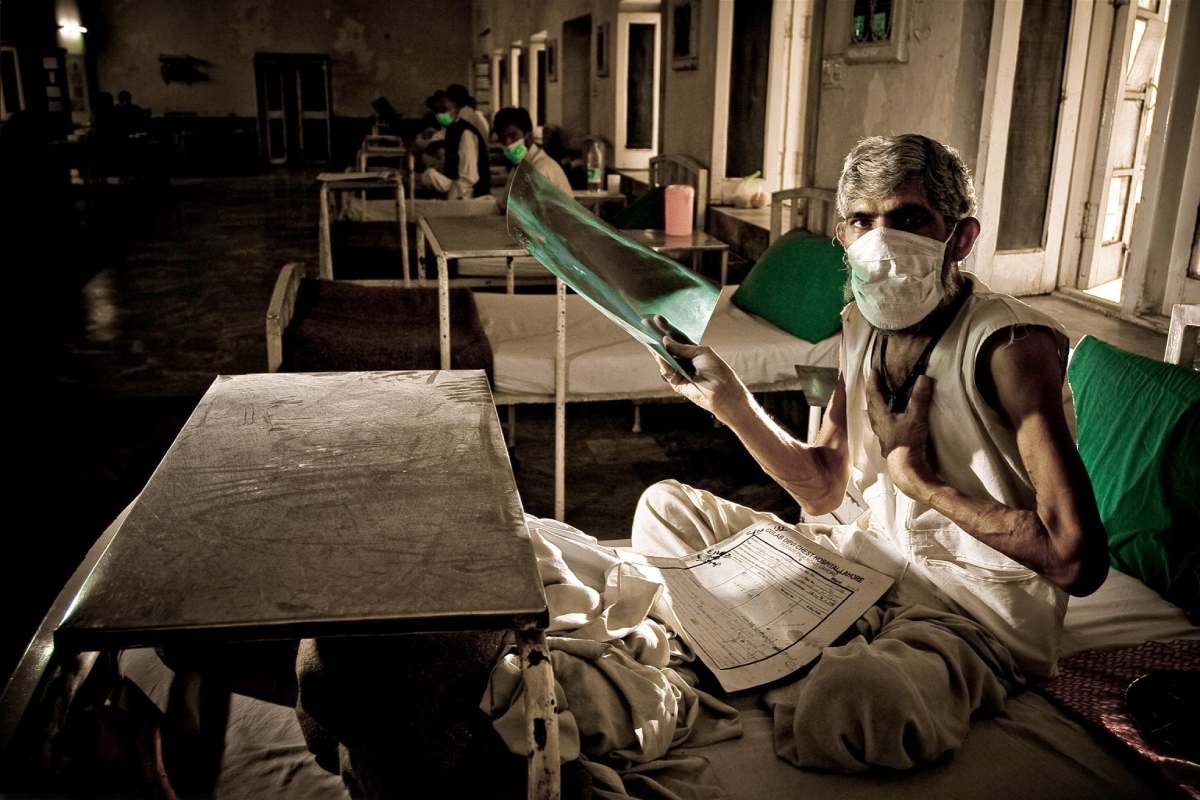
India had recorded a 38% reduction in TB mortality since 2015, compared with a global decline of 35%.

Synopsis: India accounted for 25% of global tuberculosis cases and 23% of deaths in 2025, according to the WHO. The Health Ministry reported a 38% decline in TB mortality since 2015, citing intensified screening and treatment. However, the WHO has withheld India’s latest incidence estimates pending review, with updated figures expected in 2027.
India accounted for nearly one in four tuberculosis (TB) cases worldwide in 2025, retaining its position as the country with the largest disease burden, even as deaths from the infection declined over the past decade, according to the World Health Organization’s (WHO) Global Tuberculosis Report 2026.
The report estimates that 10.6 million people developed TB globally in 2025, of whom approximately 25% were in India. Indonesia accounted for 10% of cases, followed by the Philippines (6.8%), China (6.5%) and Pakistan (6.4%).
India also accounted for 23% of global TB deaths in 2025, including deaths among people with and without HIV.
Responding to the report on Thursday, the Union Ministry of Health and Family Welfare said India had recorded a 38% reduction in TB mortality since 2015, compared with a global decline of 35%. It also reported a treatment success rate of 94% among patients with drug-susceptible TB.
“These achievements, highlighted in the World Health Organization’s Global Tuberculosis Report 2026, reflect India’s sustained progress towards eliminating TB through early detection, timely treatment, technological innovation and comprehensive patient care,” said the Health Ministry.
Despite reporting progress in mortality reduction, the WHO has not provided India-specific estimates of TB incidence for 2010 to 2025 in its latest report because the figures are under review. The country’s profile and associated incidence indicators have also been withheld.
The WHO said it updated India’s TB mortality estimates for 2023 to 2025 using recently released cause-of-death data from the Sample Registration System (SRS) for 2022 to 2024, supplemented by programme data for 2025.
The revised estimates resulted in a downward adjustment of approximately 8,000 deaths for 2023 and 20,000 deaths for 2024 compared with estimates published in the WHO’s 2025 report.
The Health Ministry said the revised assessment documented a 38% reduction in India’s estimated TB mortality, with the rate declining from 28 deaths per lakh population in 2015 to 18 deaths per lakh population in 2025.
India is also developing a district-level sentinel surveillance system to monitor population-level trends in TB disease and infection. The system covers 300 clusters across 50 districts, with an eligible population of approximately 1.5 lakh people.
The first round of data collection was completed in 2025, with subsequent rounds planned every two to three years. The Central TB Division, the Indian Council of Medical Research (ICMR) and the WHO are expected to review and analyse the findings. Updated estimates of India’s TB incidence trends are expected in early 2027.
In its response to the WHO report, the Health Ministry highlighted the scale of screening under the TB Mukt Bharat Abhiyaan.
Between 7 December 2024 and 8 November 2026, the campaign brought more than 25 crore people within the ambit of TB screening activities. It conducted over 11 crore chest X-rays and more than three crore nucleic acid amplification tests (NAATs), identifying 48.64 lakh TB cases, including 14.97 lakh asymptomatic cases.
The ministry said the detection of asymptomatic cases was particularly important for identifying people who might otherwise remain undiagnosed.
“The detection of nearly 15 lakh asymptomatic cases is particularly significant, demonstrating the effectiveness of proactive screening in identifying individuals who might otherwise remain undiagnosed. Early identification facilitates timely treatment and provides opportunities to reduce TB transmission and prevent severe disease,” said the Health Ministry.
The ministry also highlighted the deployment of portable AI-enabled digital X-rays, rapid molecular diagnostic tests and the Ni-kshay digital platform for patient tracking and treatment monitoring.
Nutritional assistance through the Ni-kshay Poshan Yojana and community support under the Ni-kshay Mitra initiative were also cited as components of the programme.
The ministry said 96% of the funding requirements for India’s TB programme were being met through domestic resources.
India also remains among the countries contributing substantially to the global burden of rifampicin-resistant tuberculosis (RR-TB), a form of drug-resistant TB.
The WHO identified India, China, the Philippines and the Russian Federation as the four countries that together accounted for more than half of the estimated global number of people who developed RR-TB in 2025.
An estimated 3.7 lakh people developed rifampicin-resistant TB worldwide in 2025. However, only 1,55,333 people were diagnosed and started on treatment, representing 42% of the estimated burden.
The WHO also reported an increase in the use of shorter, six-month treatment regimens for drug-resistant TB. These regimens accounted for 42% of people treated for RR-TB in 2025, compared with 18% in 2024.
Also Read: US recommends regular prostate cancer screening for men aged 50-69
The WHO report highlighted the financial impact of TB on patients and their households.
Globally, approximately half of people affected by TB and their households face costs exceeding 20% of their annual household income. These include medical expenses, transportation and other non-medical costs, as well as income lost during treatment.
The WHO said reducing this financial burden would require faster progress towards universal health coverage and stronger social protection mechanisms.
Global domestic expenditure on TB prevention, diagnosis and treatment increased from US $ 4.9 billion in 2024 to US $ 5.63 billion in 2025. India was among the high-burden countries that increased domestic funding during this period. However, global funding remains considerably below the target of US $ 22 billion annually by 2027.
Globally, an estimated 1.13 million people died from TB in 2025, a 4% decline from 1.18 million in 2024. The number of deaths was 35% lower than the 1.74 million estimated in 2015.
The WHO described 2025 as a landmark year because the global community achieved the first mortality-reduction milestone under the End TB Strategy, which had originally been set for 2020.
However, the decline in new TB cases remains slow. The estimated 10.6 million people who developed TB in 2025 represented a marginal reduction of 0.7% from 2024. The reduction in TB incidence since 2015 stood at just 14%, against the End TB Strategy target of 50% by 2025.
The WHO has called for expanded access to rapid diagnosis, effective treatment and preventive interventions, alongside action on underlying risk factors such as undernutrition, diabetes, smoking and poverty.
(Edited by Fayisa CA)



