


Published Jan 03, 2026 | 12:33 PM ⚊ Updated Jan 03, 2026 | 12:33 PM

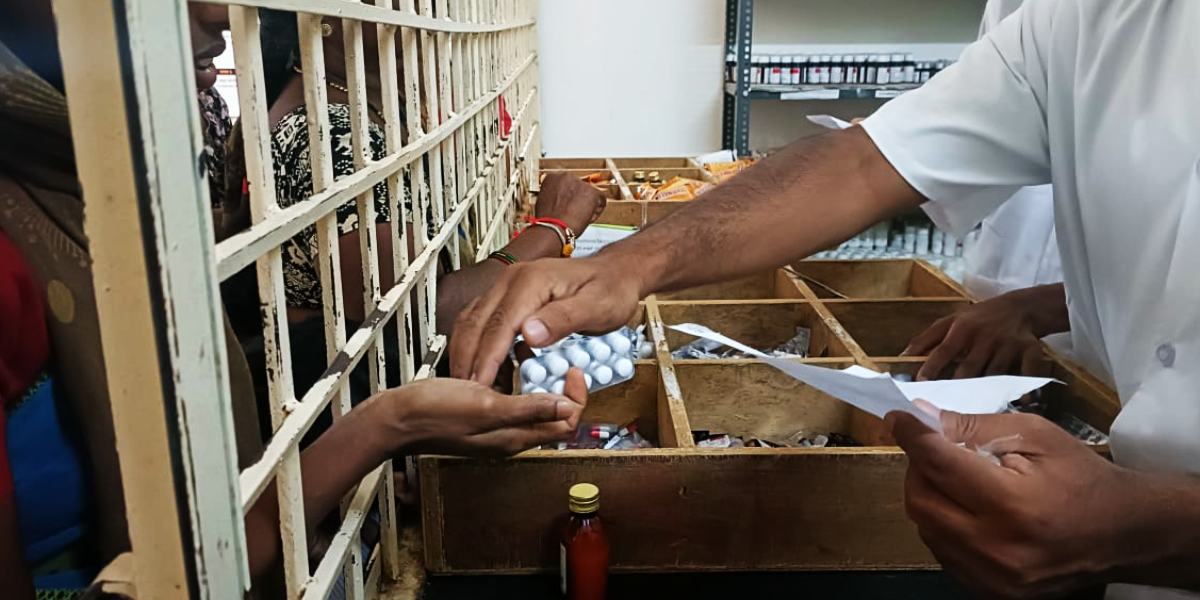
Representational image.
Synopsis: In 2025, Telangana’s Drug Control Administration uncovered nine cases in which pharmaceutical products were illegally manufactured and sold as food products or nutraceuticals, allowing companies to bypass drug laws, quality testing and regulatory scrutiny meant to protect patients. These included products containing recognised drug ingredients such as iron, folic acid, zinc, calcium, vitamin D3 and even medicines for osteoarthritis, which were marketed under food licences across several districts.
In nine separate cases in Telangana in 2025, manufacturers produced pharmaceutical drugs but sold them as “food products” or “nutraceuticals”, according to the Annual Report of the Drugs Control Administration (DCA).
The strategy allowed companies to bypass drug manufacturing regulations, avoid quality testing requirements, and escape regulatory oversight designed to protect patients.
“Drugs Illegally Manufactured and Sold as Food Products or Nutraceuticals” accounted for nine violations in 2025, the DCA Annual Report said. Each case involved recognised pharmaceutical ingredients packaged and sold under food licences.
In one instance, when the DCA raided the premises of manufacturer Twins Pharm in Kushaiguda, Kapra, on 26 March 2025, officials seized Calgro-D3 tablets.
The tablets contained active pharmaceutical ingredients requiring drug approval. Yet another company, Arcade Lifesciences, marketed and sold them under food licences, avoiding the rigorous standards applied to pharmaceutical manufacturing.
The product contained “Calcium and Vitamin D3 tablets”, which “were falsely manufactured and sold under the guise of ‘food products/nutraceuticals’”, the report stated.
The DCA seized “RedFer-XT Tablets (Ferrous Ascorbate, Folic Acid Tablets & Zinc Tablets)” on 10 February in Ramagundam, Peddapalli district. Manufactured by BR Nutracare in Hyderabad, the tablets were marketed by Sri Reddy’s Laab. The product too “were falsely manufactured and sold under the guise of ‘food products/nutraceuticals’”, according to the seizure records.
The pattern repeated across the State. The seized products contained ingredients with established pharmaceutical uses. Ferrous Ascorbate treats iron deficiency anaemia. Folic Acid prevents neural tube defects and treats certain anaemias. Zinc Sulphate addresses zinc deficiency. Vitamin D3 and Calcium support bone health.
The distinction between drugs and food products carries significant consequences. Drug manufacturers must follow Good Manufacturing Practices. They need drug licences. Their facilities face regular inspections. Their products undergo quality testing. They must prove safety and efficacy.
Food product manufacturers face different requirements. The standards are less stringent. Oversight is lighter. Approval processes move faster. They also avoid the costs of compliance. They escape the scrutiny of drug inspectors. They skip testing requirements meant to ensure patient safety.
But the practice creates multiple risks for patients. Products manufactured outside drug regulations may lack proper quality control. They might contain incorrect doses. They could include contaminants. They may not deliver the claimed potency.
Officers found multiple iron-based products falsely marketed as nutraceuticals. On 3 January 2025, they conducted the year’s first such seizure in Uppal, Medchal–Malkajgiri district. The report states that officers “seized Alcium-D3 Tablets (Calcium with Vitamin D3 Tablets),” which “were falsely manufactured and sold under the guise of ‘food products/nutraceuticals’.”
In Musheerabad, on 25 February, officers discovered Foron-XT Tablets. The seizure record shows that “Foron-XT Tablets (Ferrous Ascorbate, Folic Acid Tablets & Zinc Sulphate Tablets)” came from Maxtra Laboratories in “Rangarangaiah Nagar, Chengicherla Village, Medchal–Malkajgiri District.” Zyve Pharmaceuticals marketed them from “Industrial Housing Colony, Ashok Nagar, Khairtabad, Hyderabad.”
Again, these products “were falsely manufactured and sold under the guise of ‘food products/nutraceuticals’.”
On 27 February, another seizure occurred in Habsiguda. The report documents “Ribovin Tablets (Riboflavin Tablets 2 mg)” from Aishwarya Bio Care at “Plot No. 314, 315, 1st Floor, Raghavendra Nagar, Jillelaguda (V), Balapur (M), Hyderabad.” These too were “falsely manufactured and sold under the guise of ‘food products/nutraceuticals’.”
Zinc-based products formed another category. On 20 February, officers seized Prokalk-Z Drops in Mancherial. The seizure involved “Prokalk-Z Drops (Zinc Gluconate Oral Drops)” manufactured by “Ziexa Healthcare, Delhi,” and marketed by “Curezen Pharma Pvt. Ltd, Vijayanagar Colony, Hyderabad.”
The report states that these products “were falsely manufactured and sold under the guise of ‘food products/nutraceuticals’.”
On 28 February, in Malakpet, officers found Dawafer-XT Tablets. The record shows that “Dawafer-XT Tablets (Ferrous Ascorbate, Folic Acid & Zinc Tablets)” came from “Vix Pharma International, 159, Block A, DSIIC, Bawana, Delhi.”
The Central Drugs Standard Control Organisation had approved some of these formulations as drugs years ago. The DCA report documents one particularly revealing case from 30 January in Malakpet.
Officers “seized Synovia forte Tablets (Contains Diacerin 50 mg)” with batch number “V-60174,” manufactured in “07/2024” with expiry in “06/2026.” The product came from “Arshvil Research Laboratories” in “Vijayawada, AP,” and was “marketed by: M & B Laboratories,” also in “Vijayawada.”
The report reveals a crucial detail: “The product was approved by the DCGI as ‘DRUG’ in the year 2004 for osteoarthritis. However, the said manufacturer manufactured the drug as a nutraceutical under a food licence.”
The case showed manufacturers deliberately choosing the regulatory path that offered the least resistance, even when proper drug approval existed.
The seized products came from various manufacturing hubs. Several traced back to Hyderabad and surrounding areas in Medchal–Malkajgiri district. Others originated in Delhi and Vijayawada.
The geographic spread indicated that this practice extended beyond individual companies or regions. Multiple manufacturers across different States employed the same strategy.
Officers examined product compositions, checked manufacturing licences, and verified regulatory approvals. When they found pharmaceutical ingredients manufactured under food licences, they initiated seizures and legal proceedings under provisions of the Drugs and Cosmetics Act, 1940.
“The DCA conducted 28,816 inspections in 2025,” according to the annual report. “Officers initiated 5,278 regulatory actions upon finding violations.” The nutraceutical fraud cases formed part of this broader enforcement effort.


