

Published Aug 19, 2022 | 2:31 PM ⚊ Updated Aug 19, 2022 | 2:32 PM

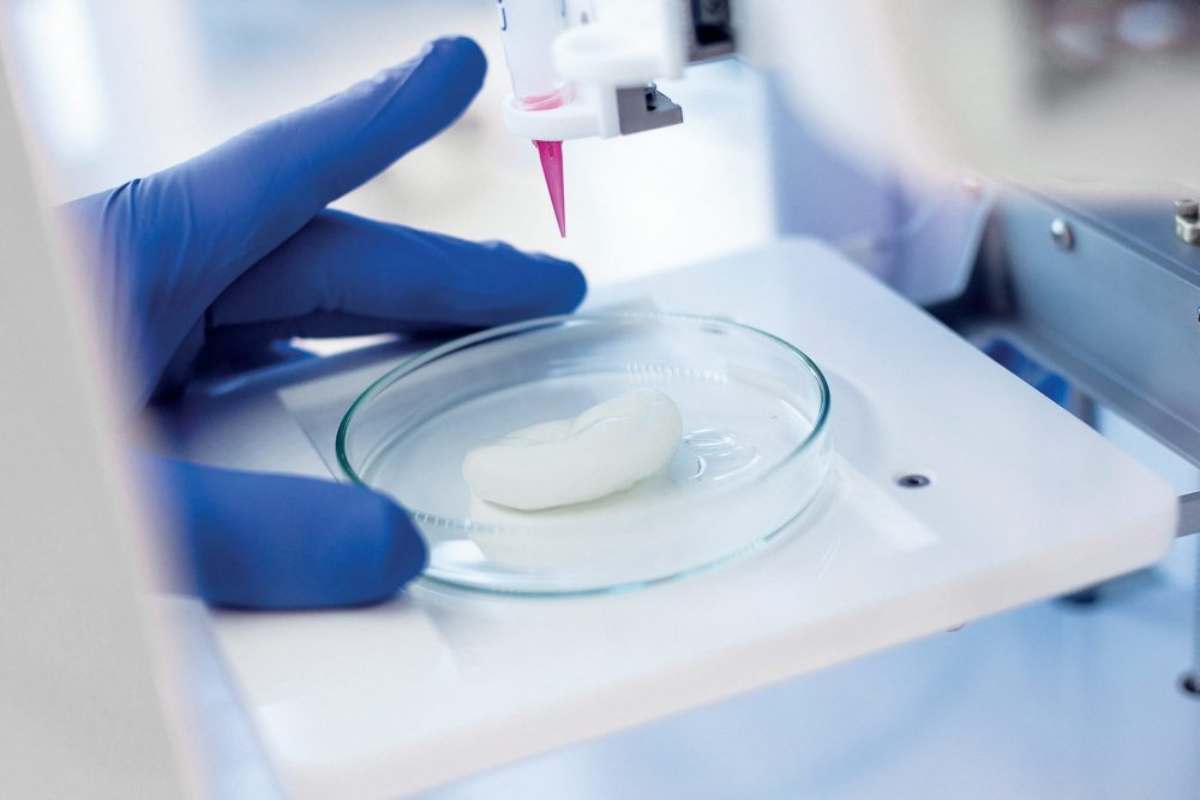
The Centre of Excellence (CoE) will be focused on advancing research across heart, bone, cartilage and cancer research through the use of 3D bioprinting.(Creative Commons)

The Indian Institute of Science (IISc) has partnered with bioprinter company CELLINK to set up a Centre of Excellence (CoE) for 3D bioprinting in Bengaluru.
The CoE would be established in the Centre for BioSystems Science and Engineering (BSSE) at the IISc, said Professor Narendra Dixit, the chairperson of BSSE.
“We are excited to host this CoE in the institute, which will help to initiate cutting-edge research in an emerging field of technology with immense potential to benefit human health,” said Dixit.
According to the BSSE, the CoE will provide access to 3D bioprinting systems which will enable the researchers to accelerate their work.
Dixit added that the technology would be utilised across critical applications with the ultimate goal of improving health outcomes.
Cecilia Edebo, CEO of CELLINK said, “India has long been at the forefront of scientific discovery, and with the exceptional talent and deep-rooted passion to translate research from the benchtop to the clinic, we are confident that this Centre of Excellence will make a lasting impact on the progress within research in the fields of heart, bone, cartilage and cancer.”
The technology covers a broad range of bioprinting techniques and biomaterials.
Currently, bioprinting can be used to print tissues and organ models to help research drugs and potential treatments.
The CoE will house several state-of-the-art 3D bioprinters from CELLINK and will serve as a hub for several research initiatives and training activities within this emerging and exciting technology, said Dixit.
Dixit added that they would be focusing on advancing research across heart, bone, cartilage and cancer research through the use of 3D bioprinting.
IISc and CELLINK will undertake research projects across multiple applications spanning the fields of tissue engineering, drug discovery, material science and regenerative or personalised medicine at the CoE.
The CoE will have a keen focus on work around the heart, bone, cartilage and cancer, said Dixit.



