

Published Feb 03, 2024 | 11:00 AM ⚊ Updated Feb 03, 2024 | 11:00 AM

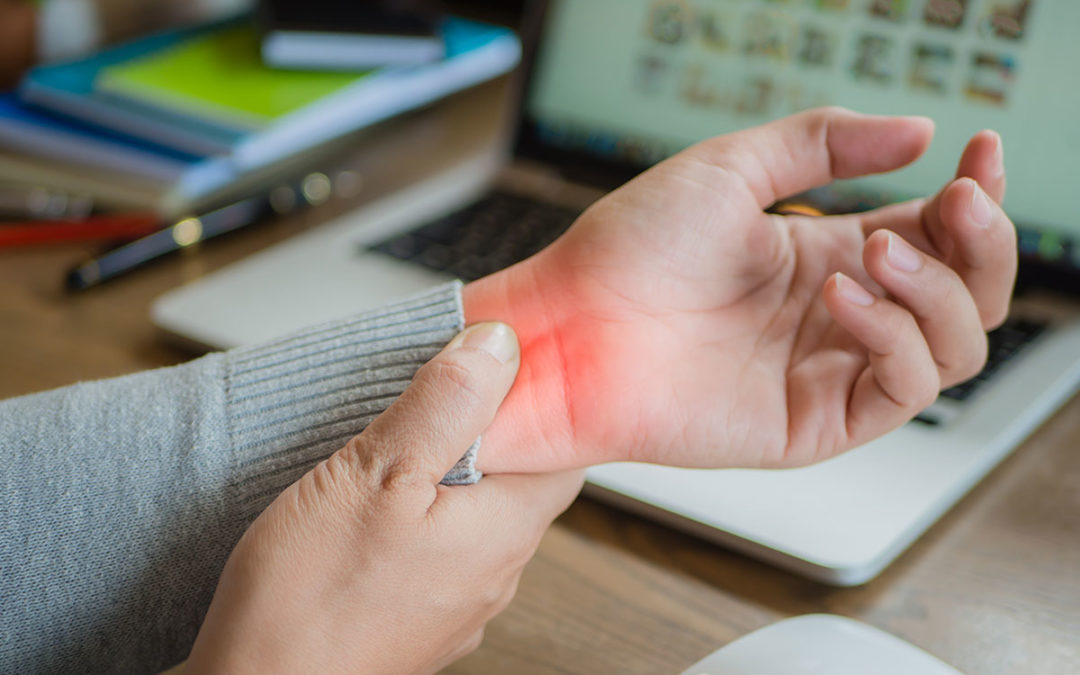
Representative pic of CTS

Kala, 35, was too busy with life to bother about a minor annoyance — a tingling sensation, and slight pain in her right hand, especially on the wrist.
The daily juggling of work and household chores seldom gave her time for such minor irritant, a mistake anyone like Kala could make, oblivious to what lies ahead.
Kala soon paid the price for ignoring the warning her body had given her. The condition — and the pain — aggravated into an ordeal, depriving her of a good night’s sleep, and making it difficult for her to even hold her mobile phone without discomfort.
The symptoms worsened by the day, and Kala decided to seek medical help. The decision took her to Dr Sudhir Kumar, a Consultant Neurologist at Apollo Hospital.
A routine clinical examination revealed more than symptoms — it exposed an underlying condition exacerbated by lifestyle factors and highlighted by a high body-mass index of 28.
The diagnosis was swift, thanks to a distinct electric-shock sensation triggered by a simple tap near the wrist, a hallmark of carpal tunnel syndrome, later re-confirmed through nerve conduction studies.
The revelation of hypothyroidism as a contributing risk factor added another layer to Kala’s health condition, prompting a multifaceted treatment approach.
Taking to X, Dr Kumar, who usually writes detailed descriptive diagnosis to create awareness in the general public, said he prescribed a tailored regimen for Kala.
She was prescribed medications, physical therapy, and advised to adopt a low-carbohydrate diet coupled with regular exercise. The integrated approach bore fruit, manifesting in significant clinical improvement in a month.
Carpal Tunnel Syndrome (CTS), characterised by the compression of the median nerve in the wrist, manifests through pain, tingling, and a burning sensation in the affected hand, sparing only the little finger.
This condition predominantly affects the dominant hand. It can, however, afflict both hands in about 40 percent of cases, with symptoms potentially radiating to the forearm and intensifying at night.
The CTS risk landscape is diverse, and triggered by hypothyroidism, diabetes, rheumatoid arthritis, gout, obesity, pregnancy, and certain occupational activities like prolonged computer use or playing musical instruments.
The doctor explained that diagnosing CTS involves a combination of clinical symptom assessment and nerve conduction velocity (NCV) studies, with ultrasound and MRI reserved for specific scenarios.
Also, treatment options vary from medications, steroid injections, and splint usage to physiotherapy and, in some cases, surgery, depending on the severity and underlying causes of the syndrome.
Wrist flexor stretch:
Wrist extensor stretch:
Median nerve glide:
Tendon glides:
Wrist lifts (using a light weight):
Thumb stretch:
Grip strengthening:



