

Published Oct 01, 2026 | 7:00 AM ⚊ Updated Oct 01, 2026 | 7:00 AM

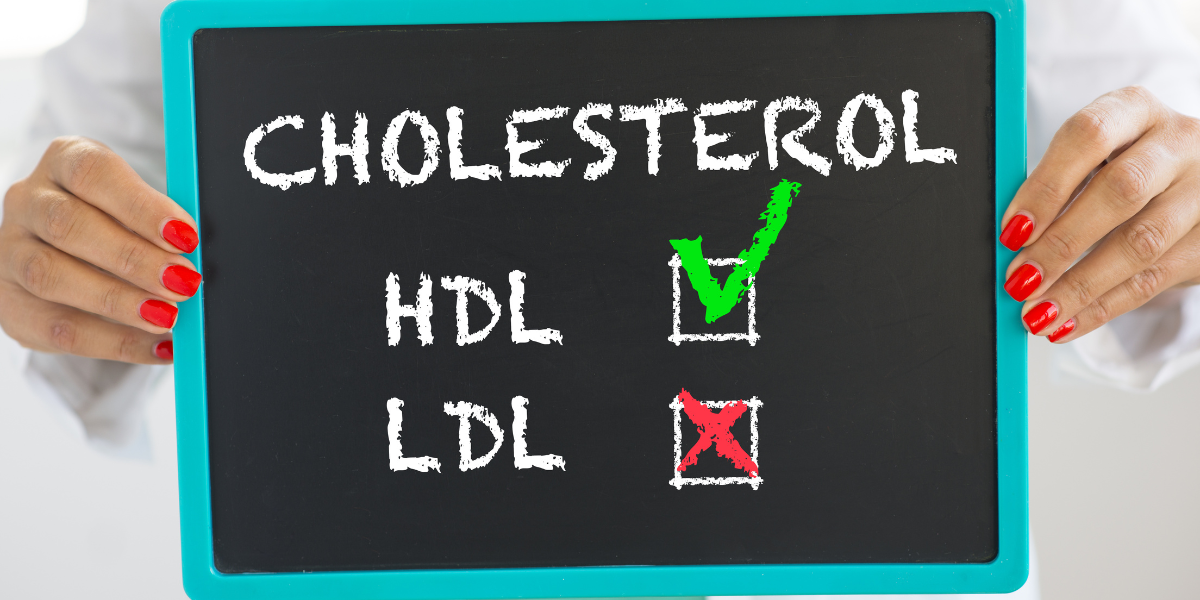
HDL cholesterol is 'good cholesterol', while LDL cholesterol is 'bad cholesterol'. (Commons)

Synopsis: Loop Health’s Workforce Health Index 2026 shows sharply different health signals in Hyderabad and Bengaluru. Hyderabad recorded the highest share of low HDL cholesterol and elevated blood sugar. At the same time, Bengaluru stood out for low vitamin B12 and Vitamin D levels, highlighting distinct health concerns among urban workforces.
Hyderabad and Bengaluru may both be major technology hubs, but new workforce health data showed very different health signals in the two cities.
Telangana’s capital Hyderabad recorded the highest share of low HDL, the type of cholesterol that helps remove excess cholesterol from the bloodstream, among five metros studied. Bengaluru, meanwhile, recorded the highest share of low vitamin B12.
In Hyderabad, 50.6% of 389 tested lipid panels had HDL below 40 mg/dL. In Bengaluru, 78.8% of 1,723 tested reports had vitamin B12 below 300 pg/mL, according to Loop Health’s Workforce Health Index 2026.
The differences extended to blood sugar and Vitamin D. Elevated HbA1c, a blood test that reflects average blood sugar levels, was found in 39.2% of 426 Hyderabad reports, compared with 30.7% of 1,515 Bengaluru reports. Bengaluru, however, recorded 83.9% of tested Vitamin D reports below 30 ng/mL, jointly the highest among the five metros.
The report analysed 816,003 laboratory results across 11,427 reports, 9,097 survey responses and 74,339 hospital claims. The laboratory, survey and claims datasets were not linked at the individual level.
Also Read: New US cholesterol guideline lowers LDL targets
The strongest signal from Hyderabad came from cholesterol levels.
Of 389 lipid panels, 50.6% recorded HDL below 40 mg/dL. HDL is often called “good cholesterol” because it helps carry cholesterol away from the bloodstream.
When the report used different cut-offs for men and women, the figure rose to 65.6%. Under this measure, HDL below 50 mg/dL is considered low for women and below 40 mg/dL for men.
Dr Mihir Shah, a family physician at Loop Health, said looking at one cholesterol number alone can be misleading.
“When I read a lipid profile, total cholesterol is not enough. I want to see HDL, LDL and triglycerides together. The headline number can look reassuring while the individual components tell a different story,” he said.
LDL is commonly known as “bad cholesterol” because high levels can contribute to fatty deposits in arteries, while triglycerides are another type of fat measured in a lipid profile.
The report found low HDL in 59.3% of tested reports among Hyderabad residents in their 30s, compared with 42.3% among those in their 20s.
Also Read: Nine in 10 Indians have abnormal blood lipids
Hyderabad also recorded a high share of elevated blood sugar.
Among 426 HbA1c reports, 39.2% were at or above 5.7%, the threshold used in the report for elevated blood sugar. The figure was 16.7% at the diabetes-range threshold of 6.5% or above.
The numbers increased with age. Elevated HbA1c was found in 19.9% of reports among people in their 20s and 36.1% among those in their 30s. Among people in their 40s, the figure was 49.1%.
Dr Shah said finding an abnormal result should lead to follow-up rather than simply recording the number.
“Find the problem early, yes. Then keep following up. Review whether treatment is working and whether the plan needs to change,” he said.
Hyderabad’s elevated HbA1c figure was 40.1% in the report’s 2025 sample. Loop Health cautioned that the two editions used different samples, so the figures cannot be treated as evidence of a year-on-year change in the city’s population.
Also Read: One in three Kerala adolescents pre-diabetic
Bengaluru had the lowest share of elevated HbA1c among the five metros, at 30.7%. The diabetes-range figure was 10.3%.
But Loop Health cautioned against reading this as evidence that Bengaluru’s workforce has fewer health concerns overall.
Among Bengaluru reports from people in their 40s, 50.0% had HbA1c at or above 5.7%. Among those aged 60 and above, the figure was 78.9%.
“The fact that the citywide number is lower should not become a reason to screen less,” the report notes.
Instead, Bengaluru’s biggest laboratory signal was vitamin B12.
Vitamin B12 was below 300 pg/mL in 78.8% of the 1,723 Bengaluru reports tested, the highest share among the five metros. Nearly half (47.9%) were below 200 pg/mL.
The finding was not new. In Loop Health’s 2025 report, 76.2% of 490 Bengaluru reports were below 300 pg/mL.
There was also a notable difference between male and female reports. B12 was below 300 pg/mL in 86.3% of 910 male reports and 70.4% of 813 female reports.
The report did not establish why Bengaluru recorded such a high figure. It noted that diet can influence B12 intake but said the available data cannot establish causation.
Dr Shah said workplace routines could make nutrition harder to maintain.
“We have sunlight, but look at the working day. Someone goes into the office at nine and comes out at five. They have spent the main daylight hours indoors,” he said, speaking about Vitamin D.
Also Read: Why India is short on vitamin D
Bengaluru also recorded one of the highest shares of low Vitamin D.
Some 83.9% of 1,686 tested reports were below 30 ng/mL, the highest rate among the five metros, tied with Pune.
At the very low end, 25.1% of Bengaluru reports were below 10 ng/mL. Hyderabad’s figure was 15.3%.
Dr Shah said sunlight exposure was only one part of the picture.
“Someone goes into the office at nine and comes out at five. They have spent the main daylight hours indoors,” he said.
He also pointed to differences in how much sunlight individuals receive, including because of skin tone and lifestyle. The report did not establish a cause for the city-level difference.
Hyderabad’s results also showed concerns around haemoglobin and liver markers.
Among 269 female haemoglobin reports, 42.0% were below the report’s anaemia threshold. This was the second-highest figure among the five metros.
The city’s composite liver measure was elevated in 21.7% of 470 reports, behind Delhi-NCR’s 34.4%.
The survey data also showed a mixed picture.
Hyderabad recorded the lowest reported current nicotine use among the five metros, at 11.9%, and the lowest reported workday caffeine use, at 70.8%.
But 41.5% of 772 Hyderabad respondents rated their stress at seven or higher on a 10-point scale for the previous week.
Meanwhile, 20.6% said they ate out or ordered food at least three times a week.
The Bengaluru survey had 1,826 responses, with 49.6% of respondents working in IT, software or SaaS. Nearly 87% were in their 20s or 30s.
Three in 10 respondents, or 30.0%, said they ate out or ordered food at least three times a week, the highest among the five metros.
The survey also found that 39.7% of Bengaluru respondents selected “None of these” when asked about healthcare activities during the previous year. In Hyderabad, the figure was higher at 44.8%.
The report cautioned that selecting “None of these” did not necessarily mean a respondent received no healthcare.
Ryan Singh, co-founder and chief operating officer of Loop Health, said the broader concern was that several health risks were appearing during working years.
“The most important finding from WHI 2026 is how early these health risks are showing up,” he said.
“Most of these signals are visible well before someone feels unwell. That is where prevention has to start with knowing what is happening, getting the right medical guidance and acting before a health problem becomes a much bigger one.”
The findings, however, should not be read as a direct health ranking of Hyderabad and Bengaluru. The laboratory data came from Loop Health’s tested population, mapped to pin codes, and were not representative samples of the two cities’ entire populations.
(Edited by Majnu Babu)



