
Published Apr 13, 2026 | 7:00 AM ⚊ Updated Apr 13, 2026 | 7:00 AM

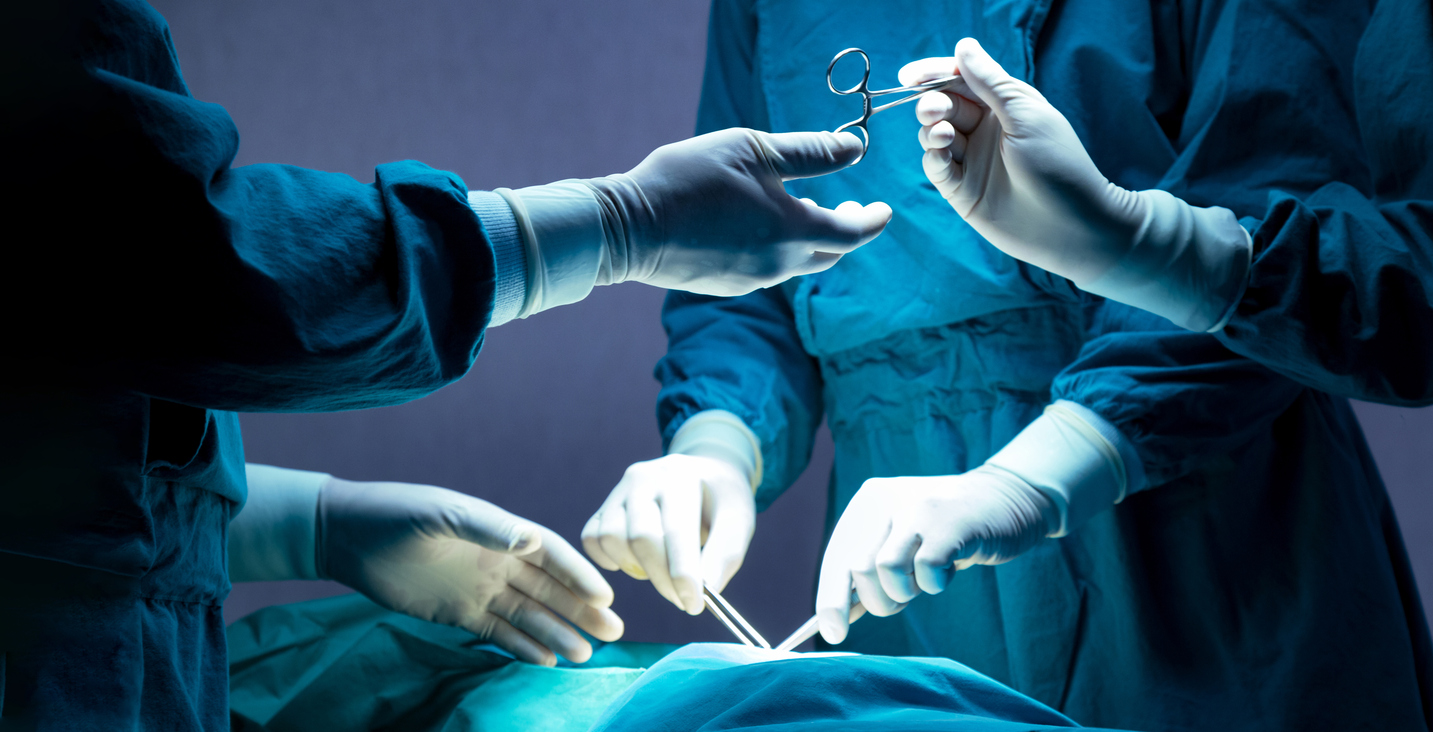
Representational image. Credit: iStock
Synopsis: Doctors at Chennai’s GEM Hospital and Vapi, Gujarat, successfully performed one of India’s first dual-console long-distance robotic telesurgeries. Using the Mizzo Endo 4000 system, surgeons collaborated in real time on a 23-year-old GERD patient, with seamless interaction and no delay. The breakthrough highlights India’s growing capacity for advanced, affordable surgical technology and remote medical collaboration.
Inside an operating theatre at Chennai’s GEM Hospital, a surgical team led by Dr. Sreeram Seshadhri stood by a 23-year-old patient. Nearly 1,500 kilometres away in Vapi, Gujarat, Dr. P. Senthilnathan took control—guiding the same operation in real time through a robotic system.
The procedure brought together two surgeons in different cities, connected through a robotic platform, working simultaneously on the same patient.
The operation was successful—what doctors describe as one of the first instances of dual-console long-distance robotic telesurgery in India.
The patient, suffering from severe gastroesophageal reflux disease (GERD) unresponsive to medication, required a robotic fundoplication—a procedure that strengthens the valve between the stomach and oesophagus.
Dr. Senthilnathan, who led the surgery remotely, described the experience as seamless.
“This is the first time we have demonstrated a dual-console system across such a long distance. We were able to interact and perform the surgery together in real time, almost as if we were standing next to each other,” he said.
Unlike earlier telesurgeries that relied on a single remote operator, this system allowed the Chennai-based team to actively participate, sharing control of the robotic arms.
“There is practically no delay. The response is almost instantaneous—it feels like operating at the same table,” he added.
Why the dual-console matters
While telesurgery has been attempted in India before, it has largely followed a single-surgeon model, limiting the role of the on-site team.
“There is always a concern—will the system work, what if there is a disruption? This model addresses that,” said Dr. Senthilnathan. “Both teams can share control depending on the procedure.”
He noted that this approach allows real-time collaboration, while also maintaining a safety net through the presence of an on-ground surgical team.
The surgery was performed using the Mizzo Endo 4000, a robotic platform developed by Meril Life Sciences.
According to Abdul Wazid, Senior Regional Manager at the company, the focus is on expanding access to advanced surgical tools.
“We design and manufacture in India, and our products are used in over 150 countries. Our aim is to bring world-class, affordable technology to patients,” he said.
He added that partnerships with institutions like GEM Hospital are key to developing and scaling such innovations.
“This ensures that expertise is not limited by geography while retaining on-site surgical support,” said Dr. Senthilnathan, pointing to its potential for training and complex procedures.
For now, the surgery marks a step toward a model where specialists can work across distances, without patients having to move.


