

Published Jan 05, 2026 | 7:00 AM ⚊ Updated Jan 05, 2026 | 7:00 AM

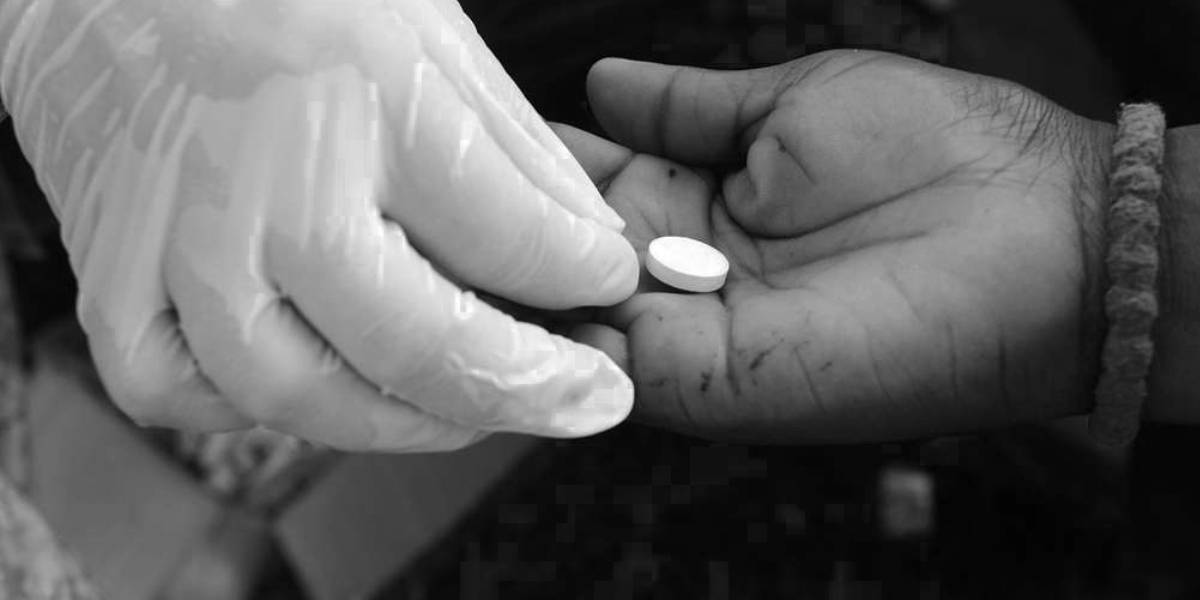
Tablets. Representative Image.
Synopsis: Telangana’s Drugs Control Administration seized 140 products in 2025 for making false claims about curing conditions ranging from kidney stones and diabetes to menstrual disorders, accounting for 57 percent of all drug violations detected in the State, its Annual Report shows. Most of the products were Ayurvedic formulations using traditional names to claim treatment for modern diseases, while allopathic eye ointments and fever syrups also featured prominently.
The Drugs Control Administration (DCA), Telangana, seized 140 products making false therapeutic and medicinal claims, accounting for more than half of all drug violations detected across the State in 2025, according to the agency’s Annual Report.
Ayurvedic medicines formed the bulk of the misleading advertisement cases. DCA officials seized churnas (powders), kashayams (liquids) and tablets marketed as Ayurvedic formulations while making prohibited therapeutic claims.
Many products used traditional-sounding names and classical Ayurvedic terminology but claimed to treat modern medical conditions.
Among them was Podapathri Churnam, which claimed to treat “diabetes”. Brahmi Choornam promised relief from “leprosy and fever”, while Satapushpa Fruit Churna claimed it could cure “fever and eye diseases”.
Amla Churnam featured in multiple seizure records. In one instance, it was “claimed to treat ‘Eye Diseases’”, and in another, it was said “to mitigate ‘Eye Diseases’”, according to the DCA report.
The seizures were made under the Drugs and Magic Remedies (Objectionable Advertisements) Act, 1954, which prohibits advertisements claiming to cure or treat specific diseases and conditions. The Act explicitly lists 54 diseases and conditions for which no medicine can claim a cure through advertisements.
Despite the law, manufacturers continued producing such medicines, distributors circulated them widely, and consumers purchased them, often believing the claims made on labels and promotional material.
Kidney stone treatments dominated the list. Dozens of products seized across districts claimed they could dissolve renal calculi. Seizure records from locations ranging from Ameenpur to Bhadrachalam listed products such as Stone Gone Capsules, Kidney Sure Syrup, Stone Nill DS Syrup and Pathrex Capsules.
Diabetes-related claims followed closely. Products including Madhumeha Niyantrini Capsules, Diabetic Care Powder and Noni-Dia Liquid promised control of blood sugar levels. Enforcement officers seized these products in areas stretching from Jeedimetla to Suryapet.
Fever treatments were another major category. Although the Act explicitly bans claims to treat fever, manufacturers continued to produce syrups and tablets making such assertions.
The DCA Annual Report notes that Herbal Fever Guard Syrup was seized “for making a misleading advertisement claiming it treats ‘all types of fevers’.”
Similar cases were reported across districts. Jwar Nashak Vati, seized in Nirmal, claimed to treat “chronic fevers,” while Cariford Syrup, seized in multiple locations, claimed it treated “fever.”
Rheumatism products appeared across the State. Oils, balms and tablets claiming they could treat rheumatism were found across the State. Pain Free Balm in Nizamabad, Kola Flexi Ointment in Quthbullapur and Yograj Guggulu tablets in Bachupally all made identical prohibited claims “to treat ‘Rheumatism’,” the report states.
Menstrual disorder treatments formed another category. Products such as Leucoglad-S Syrup claimed to treat “disorders of the menstrual flow,” while UT-Tone Syrup and Majevit Gyno Syrup made similar prohibited claims about treating “disorders of menstrual flow” and “diseases of the uterus.”
Eye infection remedies showed a distinct pattern. Multiple manufacturers produced chloramphenicol eye ointments claiming “prophylaxis and treatment of eye infections.”
Officers seized Softamycitin from Soft Medicaps Limited in at least six different locations. The product claimed to be effective “for prophylaxis & treatment of Infections of the eyes,” according to seizure records. Similar products from Eamon Drugs and Packsules appeared across districts, making identical claims.
Among the allopathic medicines seized, eye ointments formed the largest category, followed by syrups claiming to treat fever.
The DCA documented the seizure of ZEDEX-P syrup in multiple locations across the State, each time noting that it “claimed to treat ‘Fever’.”
Homeopathic and Unani medicines accounted for a smaller share of violations. One Unani product, NUSQA-E-ARABIA, was seized “for its misleading claim of preventing heart blockage and aiding in weight loss,” the records state.
The seized products could be traced back to specific manufacturing regions, with Haryana dominating the list. Districts such as Karnal, Panchkula and Haridwar appeared repeatedly as manufacturing locations. Companies in these areas produced powders, syrups and tablets that officers later seized hundreds of kilometres away in Telangana.
Gujarat came second. Manufacturers in Ahmedabad, Anand and surrounding areas sent products into Telangana’s distribution networks. Himachal Pradesh’s industrial areas in Baddi and Solan also contributed their share.
Some manufacturers operated within Telangana itself. Local companies in Hyderabad, Vijayawada and smaller towns produced products that enforcement officers later seized in their own backyards.
The products moved through established distribution channels. Wholesalers in major cities stocked them, distributors transported them to smaller towns, and medical shops displayed them on shelves.
Officers found these products in urban centres such as Hyderabad and Secunderabad. They also appeared in remote villages across Telangana’s districts. The geographic spread pointed to organised distribution rather than isolated incidents.
Some brand names surfaced in multiple locations. When officers seized the same product in different districts weeks apart, it indicated coordinated supply chains operating across regional boundaries.
The seized products largely sought to exploit specific health anxieties. Chronic diseases requiring ongoing management led the list. The report shows repeated seizures of products claiming to treat “diabetes,” “blood pressure” and “rheumatism.”
Painful conditions came next. Kidney stones cause acute suffering, and products repeatedly claimed to treat “renal stones,” “kidney stones,” “renal calculi” and “urinary stones.”
Reproductive health concerns formed another category. Products claimed to treat “menstrual disorders,” “disorders of menstrual flow,” “diseases and disorders of the uterus” and “pelvic inflammatory disease.”
Common infections and fevers made up the final category. Products claimed they could treat “chronic fever,” “typhoid fever,” “viral fever,” “dengue” and “all kinds of flu and fever.”
The DCA conducted 28,816 inspections in 2025 and initiated 5,278 regulatory actions after detecting violations. The 140 misleading advertisement cases emerged from this systematic surveillance.
“The Drugs Control Administration, Telangana has adopted a proactive and vigilant regulatory approach to continuously monitor, detect, and take stringent action against violations relating to medicines,” the annual report states.
Officers seized products of varying value. Some seizures involved minimal stock, while others uncovered significant inventories indicating established retail operations.
The enforcement actions led to regulatory proceedings under the Drugs and Cosmetics Act, 1940, and the Drugs and Magic Remedies (Objectionable Advertisements) Act, 1954. “The DCA achieved 217 convictions across all violation categories in 2025,” according to the report.
The volume points to systemic issues. Manufacturers know these claims violate regulations, and distributors understand the legal prohibitions, yet the products continue to reach pharmacy shelves.
“During 2025, the Drugs Control Administration, Telangana conducted a total of 244 seizures for violations of various Acts enforced by the Department,” the report documents. The 140 misleading advertisement cases represent 57 percent of this total.


