

Published Dec 06, 2025 | 7:00 AM ⚊ Updated Dec 06, 2025 | 7:00 AM

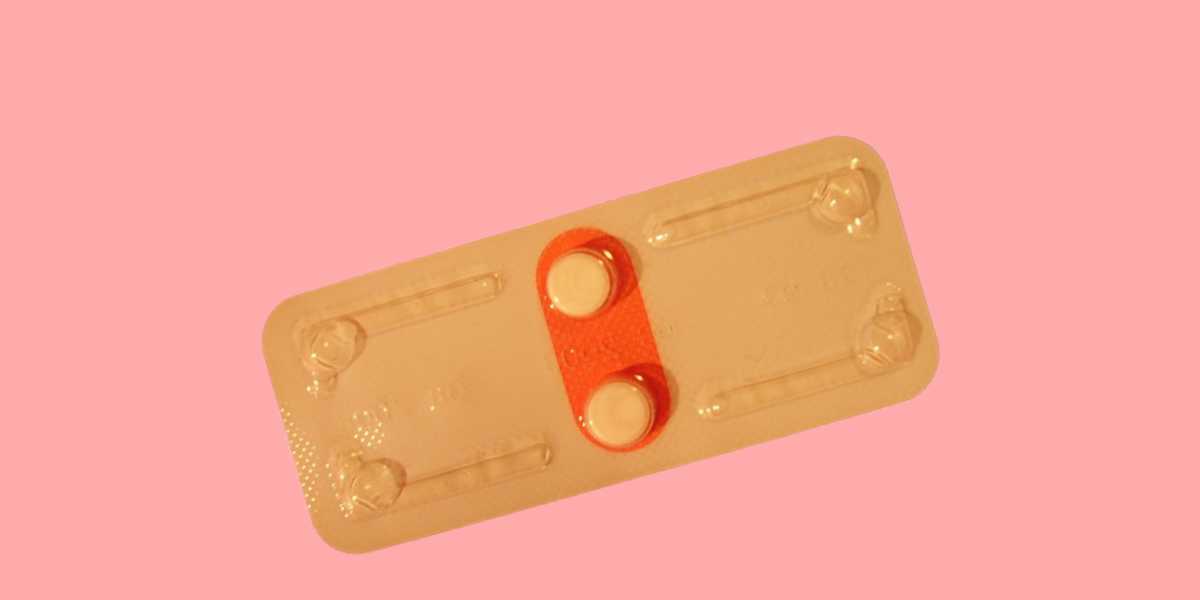
Emergency contraceptive pills.
Synopsis: The Drugs Consultative Committee of the CDSCO rejected Tamil Nadu’s proposal to ban over-the-counter sales of emergency contraceptive pills. The decision keeps Levonorgestrel tablets, known commercially as I-pill and morning-after pills, available without prescriptions across India.
The Drugs Consultative Committee of the Central Drugs Standard Control Organisation (CDSCO) rejected Tamil Nadu’s proposal to ban over-the-counter sales of emergency contraceptive pills.
The decision keeps Levonorgestrel tablets, known commercially as I-pill and morning-after pills, available without prescriptions across India. The DCC made this decision in its 67th meeting after reviewing a sub-committee report that studied the matter for over a year.
Tamil Nadu’s drug controller had proposed the ban in September 2023, seeking to move these pills from Schedule K to Schedule H of the Drugs Rules, 1945.
The proposal would have required women to obtain prescriptions from registered medical practitioners before purchasing emergency contraceptives.
On 26 September 2023, Tamil Nadu’s drug controller presented an agenda to the 62nd Drugs Consultative Committee meeting. The proposal sought to amend the Drugs Rules, 1945, moving emergency contraceptive pills from Schedule K to Schedule H.
Schedule K lists drugs that pharmacies can sell without prescriptions. Schedule H requires a prescription from a registered medical practitioner. The proposal targeted levonorgestrel tablets (0.75mg and 1.5mg), known commercially as I-Pill and other brands.
“The DCC was apprised of the details as per the agenda regarding the sale of hormonal contraceptives, including emergency contraceptives. The matter was briefed by DC, Tamil Nadu,” the minutes of the 62nd DCC meeting stated.
The committee did not decide immediately. Instead, it constituted a sub-committee “to examine the matter, comprising of DCC, Tamil Nadu, one from CDSCO, two to three gynaecologists and one pharmacologist. One expert from ICMR may also be included.”
The sub-committee studied the issue for over a year. When the 67th Drug Consultative Committee met, it considered the sub-committee’s report and rejected Tamil Nadu’s core demand.
The committee kept levonorgestrel tablets under Schedule K. It added them explicitly as “S.No.06 of entry No. 15 of Schedule K of Drugs Rules 1945.”
However, it imposed new labelling requirements. The minutes specify three boxed warnings that must appear “on the primary & carton label and in package insert”:
The committee also addressed technical contradictions in the rules. Schedule H listed ethinyloestradiol and centchroman, two hormones used in contraceptives. This created a conflict because Schedule K exempted combined oral contraceptives containing these same hormones from prescription requirements.
The 91st Drugs Technical Advisory Board meeting on 14 August 2024 resolved this by issuing a draft notification with a footnote under Schedule H: “Class of drugs mentioned at serial no. 15 of Schedule K shall not be covered under this Schedule.”
The Drug Consultative Committee disagreed with several sub-committee recommendations.
The minutes recorded: “DCC didn’t agree with the sub-committee recommendation w.r.t. amendment under entry no. 31(Androgenic Anabolic, Oestrogenic & Progestational Substances), 142(Desogestrol), 186(Ethinyloestradiol ) and 304(Megestrol Acetate) of Schedule H as the proposed amendment may not serve the purpose as it will exclude certain categories of drugs from Schedule H, i.e. androgenic anabolic.”
The 92nd DTAB meeting on 24 April 2025 did add ulipristal to Schedule H. Ulipristal is another emergency contraceptive, chemically different from levonorgestrel. When it enters the Indian market, it will require prescriptions.
Tamil Nadu operates under what activists refer to as a shadow ban. The state banned emergency contraceptive pills in 2006 after protests from conservative groups. It lifted the ban later, but pharmacies continue to face acute shortages.
Pharmacists refuse to stock the pills or keep them hidden. Some label them abortion pills, even though levonorgestrel prevents pregnancy rather than ending it. Others cite concerns about irregular bleeding and overuse as reasons for restricting access.
The Drug Controller General of India permits the sale of 0.75 mg levonorgestrel tablets without prescription under the National Reproductive and Child Health Programme. These pills entered India in 2002. They prevent pregnancy if taken within 72 hours of unprotected sex, with effectiveness declining each hour.
Tamil Nadu’s 2023 proposal cited risks like irregular bleeding and overuse as justification for requiring prescriptions. The central committee acknowledged these concerns through the new labelling requirements but maintained that access outweighs restriction.
Health experts argue that restricting access drives women toward unsafe abortions or forces them to continue unwanted pregnancies. The 72-hour window leaves no time for doctors’ appointments in a country where women’s healthcare infrastructure remains sparse.
(Edited by Muhammed Fazil.)


