

Published Feb 16, 2026 | 10:52 PM ⚊ Updated Feb 16, 2026 | 10:52 PM

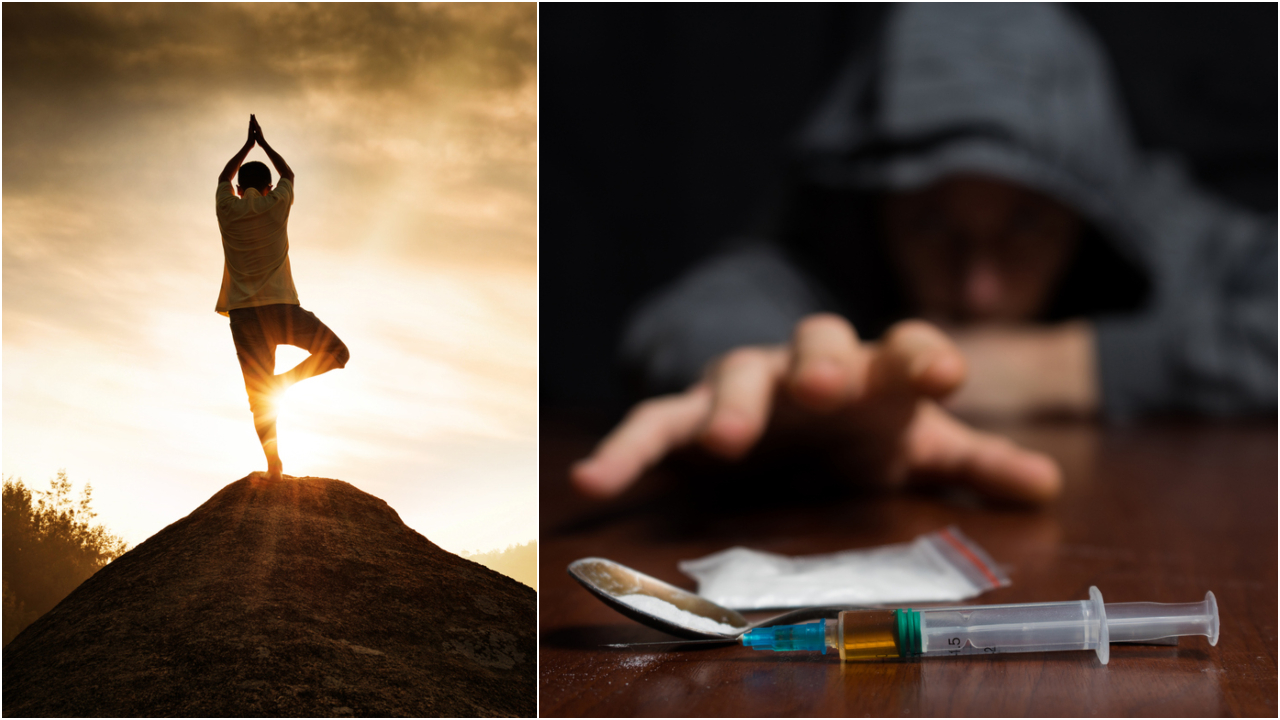
Representational image. Credit: iStock
Synopsis: Researchers at NIMHANS found yoga accelerates opioid withdrawal recovery. In a trial of 59 men, those practising yoga alongside buprenorphine stabilised in 5 days versus 9 for controls. Yoga improved heart rate variability, anxiety, sleep, and pain, rebalancing the nervous system. The study suggests integrating yoga into withdrawal protocols could cut costs and improve outcomes.
A man walks visibly shaking into a hospital ward in Bengaluru. His body craves the drug it no longer receives. Nurses record his symptoms. A doctor prescribes buprenorphine. Some patients in this ward receive only this medication. Others unroll yoga mats.
Five days later, the patients who practised yoga walk out. The others remain, still fighting withdrawal symptoms. Four more days pass before they stabilise.
Researchers at the Centre for Addiction Medicine, NIMHANS, tracked 59 men through opioid withdrawal between April 2023 and March 2024. They published their findings in JAMA Psychiatry. The numbers show yoga works, and they show how.
Dr Hemant Bhargav led the research at the Department of Integrative Medicine, NIMHANS. “Yoga helps calm the body’s stress response, which goes into overdrive during withdrawal,” he said in a statement.
Opioid withdrawal sends the nervous system into chaos. The sympathetic branch fires constantly. The parasympathetic branch, which calms and restores, weakens. Standard medications like buprenorphine manage some symptoms but leave this imbalance untouched.
The study tested whether yoga could address what medication misses.
30 men received standard buprenorphine treatment. 29 received the same medication plus yoga. The yoga group attended 45-minute sessions over 14 days. They moved through postures, controlled their breathing, and practised relaxation techniques.
The sessions targeted the autonomic nervous system directly. Breathing exercises forced respiration rates down from 20 breaths per minute to 12. Heart rate variability measurements tracked the changes.
The yoga group reached stable withdrawal scores (below 4 on the Clinical Opiate Withdrawal Scale) in a median of 5 days. The control group took 9 days. The yoga group recovered 4.4 times faster.
Measurements revealed the mechanism. Heart rate variability improved in the yoga group. High-frequency power, which indicates parasympathetic activity, increased. The ratio between low-frequency and high-frequency power dropped. The nervous system rebalanced.
Anxiety scores fell further in the yoga group. Sleep latency dropped by 61 minutes compared to controls. Pain scores improved.
Statistical analysis showed parasympathetic increases accounted for 23 percent of yoga’s effect on recovery speed. Other factors contributed the remaining 77 percent, likely through the anxiety, sleep, and pain improvements that branch from autonomic changes.
Something unexpected appeared in the immediate measurements. During breathing exercises, heart rate variability dropped instead of rising. The sympathetic branch activated rather than calmed.
This makes sense on examination. Learning to control breath requires effort and attention. The nervous system responds to that demand. But after each session, measurements showed recovery. By day 15, resting measurements revealed lower stress markers and higher parasympathetic activity than at baseline.
The pattern suggests a training effect. Brief activation followed by recovery, repeated over time, recalibrates the system. The body learns to swing back to calm more effectively.
The study enrolled only men between 18-50 years. This reflects patterns in India, where opioid misuse affects men more than women. It also limits how far these findings extend.
The patients in this study misused tapentadol primarily. Sympathetic hyperactivation occurs across all opioids during withdrawal, including morphine and fentanyl. The mechanism yoga targets applies broadly, but replication studies need to confirm this.
All participants stayed in an inpatient ward. They received supervised sessions from trained instructors. Whether yoga works in outpatient settings, community clinics, or without supervision remains unknown.
The intervention requires a quiet space, yoga mats, and an instructor. No prescription, no pharmacy, no equipment beyond basics. Treatment centres could add these sessions to existing withdrawal protocols without infrastructure overhaul.
The time saved matters economically. Each day a patient spends in withdrawal care costs money, reducing median stabilisation time from 9 days to 5 days cuts those costs by nearly half.
The research team outlined the path forward in their discussion.
“In this randomised clinical trial, adjuvant yoga therapy significantly accelerated opioid withdrawal recovery while addressing autonomic dysregulation,” the authors wrote.
“By targeting parasympathetic restoration, yoga may fill a critical therapeutic gap in standard OUD care, supporting integration into withdrawal protocols as a neurobiologically informed intervention with potential economic benefits.”
The team calls for larger trials across multiple sites. They want studies that include women, test different opioids, compare yoga to other interventions, and track patients after they leave treatment.
The study also noted the implications for relapse prevention. Research by Baillet and colleagues found that craving trajectories during the first 14 days connect to long-term substance use outcomes.
“By shortening the withdrawal period when relapse risk and dropout rates are highest, yoga may influence these trajectories, potentially improving long-term retention and outcomes,” the authors wrote.
The current findings support adding yoga to withdrawal protocols now. The mechanism makes sense. The measurements confirm it. The recovery times prove it works.
Addiction treatment has relied on medication to manage withdrawal. This study shows the nervous system needs more than chemical intervention. It needs retraining.
Yoga provides that training through methods people have practised for centuries, now validated through measurements a cardiologist would recognise.
(Edited by Amit Vasudev)


