

Published Mar 12, 2026 | 1:01 PM ⚊ Updated Mar 12, 2026 | 1:01 PM

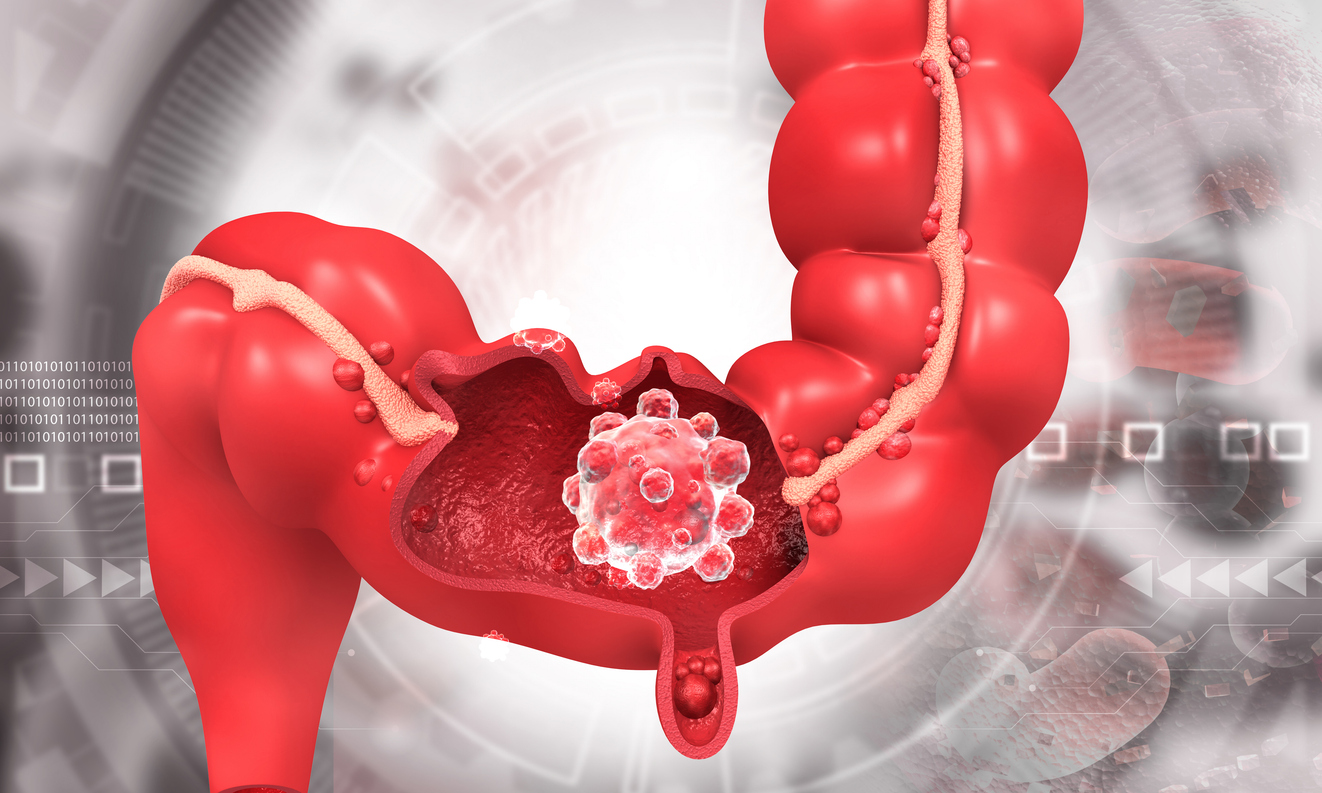
Representational image. Credit: iStock
Synopsis: Colorectal cancer, India’s fourth most common cancer, is rising due to poor awareness, lifestyle changes, and delayed screening. Doctors stress it is a “preventable tragedy,” as early detection and removal of polyps can stop cancer before it begins. With younger patients increasingly affected, experts urge routine screening after 45, attention to warning signs, and fibre-rich diets.
Many cancers appear suddenly, but colorectal cancer often develops slowly, giving doctors a window to detect and prevent it.
However, specialists say poor awareness of symptoms, hesitation towards screening and changing lifestyles mean many patients in India are still diagnosed at advanced stages.
According to the GLOBOCAN 2022 estimates by the International Agency for Research on Cancer under the World Health Organization, colorectal cancer is the fourth most incident cancer in India.
The report estimates 64,863 new cases and 38,367 deaths in 2022, placing India fifth globally in colorectal cancer mortality and second in rectal cancer deaths after China.
As March marks Colorectal Cancer Awareness Month, doctors say greater awareness could help prevent thousands of cases or detect them earlier.
Dr Sushruth Shetty, gastrointestinal robotic surgeon and cancer surgeon at Narayana Health City in Bengaluru, said colorectal cancer is often described by doctors as a “preventable tragedy”.
“This is one of the most common and deadly cancers, but it is also one of the most preventable. We have a clear window of opportunity to stop it even before it begins,” he told South First.
According to him, the disease usually develops from small growths called polyps that form in the lining of the colon or rectum.
“These polyps are like seeds. Most are benign in the beginning, but some can slowly transform into cancer over time,” he explained.
This slow progression gives doctors an advantage.
“If a precancerous polyp is detected during screening and removed, we are not just treating cancer early — we are preventing it from occurring at all,” he said.
Dr Shetty added that outcomes are dramatically better when the disease is caught early.
“More than 90 percent of colorectal cancers can be cured if they are detected early,” he said, noting that many people seek medical attention only after symptoms appear.
Doctors say routine screening remains the most powerful tool against colorectal cancer. One widely recommended first step is the Faecal Immunochemical Test, or FIT.
“The FIT test is a simple stool test that detects tiny amounts of blood that are not visible to the naked eye,” Dr Shetty said.
He explained that the test is non-invasive and easy to perform. “It can be done at home and requires no special preparation. It acts as an early warning system,” Shetty added.
If the result is abnormal, doctors usually recommend a colonoscopy for a closer examination. Colonoscopy is considered the gold standard because it allows doctors to directly examine the colon.
“A colonoscopy helps us visually inspect the bowel and remove polyps during the same procedure,” he said. “It is both a diagnostic and preventive test.”
Many people avoid the procedure due to fear or embarrassment.
“However, with sedation most patients find the procedure painless,” Dr Shetty said, urging people above 45 years or those with risk factors to undergo screening.
While screening helps detect disease before symptoms appear, doctors say certain warning signs should never be ignored.
Persistent changes in bowel habits, such as recurring diarrhoea or sudden constipation, can signal underlying problems. Blood in the stool is another major red flag.
“Many people assume rectal bleeding is due to piles, but persistent bleeding should always be evaluated by a specialist,” Dr Shetty said.
Unexplained weight loss, persistent abdominal pain and fatigue are also important indicators.
“If a blood test shows iron-deficiency anaemia, especially in men or post-menopausal women, doctors often recommend colonoscopy to rule out internal bleeding from a tumour,” he said.
Doctors are also observing a shift in the age at which colorectal cancer appears.
Speaking to South First, Dr Sivaram Ganesamoni, head of surgical oncology at MGM Cancer Institute, said the disease was traditionally seen in people in their sixties.
“Over the last two decades we are seeing more patients in their forties and fifties, and occasionally even in their twenties or thirties,” he said.
He explained that many patients initially ignore symptoms or attribute them to minor digestive issues.
“People often think it is irritable bowel syndrome, gluten intolerance or lactose intolerance and delay testing,” he said. According to him, such delays are a major reason why many patients in India are diagnosed at later stages.
“Compared to Western countries, many patients here still present in the third or fourth stage,” he said. However, he emphasised that treatment outcomes have improved.
“The quality of life after surgery can be very good, so people should not fear treatment,” he said. Doctors recommend that individuals begin routine bowel screening around the age of 45.
“At least people with symptoms should have a low threshold for colonoscopy,” he added.
Doctors also believe lifestyle changes are contributing to the rising number of cases. Dr Arul Prakash, clinical lead and senior consultant in medical gastroenterology and hepatology at SRM Prime Hospital in Chennai, said the disease is increasingly affecting younger individuals.
“We are seeing patients nearly 10 to 15 years younger than before, sometimes even in their 30s,” he explained to South First.
He explained that obesity, smoking, lack of physical activity and high-fat diets are important risk factors.
“Consumption of fatty foods, red meat and westernised dietary patterns increases the risk of colon cancer,” he said. At the same time, he noted that traditional Indian diets once offered some protection.
“A typical Indian diet used to contain high fiber, vegetables and spices such as turmeric, which have anti-inflammatory properties,” he said.
However, many people are moving away from these dietary patterns.
“Today many diets are becoming more westernised and high in fat, which may reduce that protective effect,” he said. He emphasised that fibre-rich foods play an important role in reducing risk.
“A diet rich in vegetables, fruits and whole grains helps maintain healthy bowel function and may lower the risk of colorectal cancer,” he said.
As awareness grows during Colorectal Cancer Awareness Month, doctors say the message is simple — do not ignore symptoms, maintain a healthy lifestyle along with a good diet and consider screening after the age of 45.
(Edited by Amit Vasudev)


