

Published Sep 12, 2026 | 11:33 AM ⚊ Updated Sep 12, 2026 | 11:33 AM

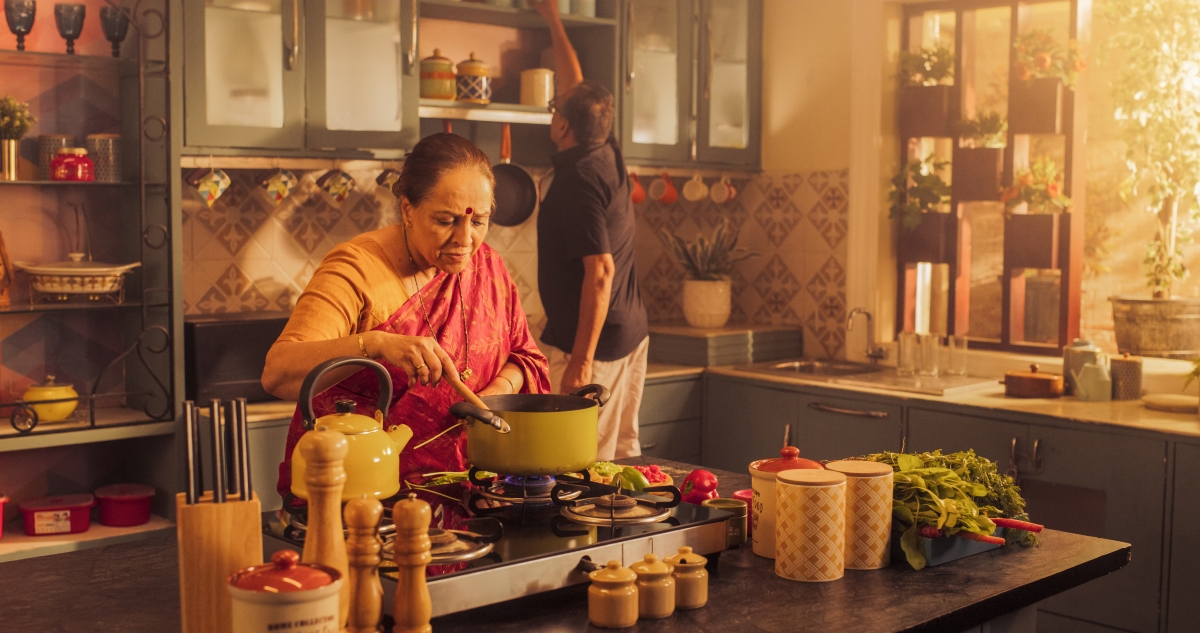
Cooking. (Representational image/ iStock)

Synopsis: A Japanese study suggests cooking at home at least once a week may be linked to lower dementia risk among older adults. But Indian neurologists caution that the benefit may lie less in routine cooking and more in learning, planning and adapting, keeping the ageing brain actively challenged.
Preparing a meal at home once a week may cut dementia risk in older adults by 30 per cent, according to research published in the Journal of Epidemiology & Community Health.
The number rises to 67 per cent among those who start with few cooking skills.
Japanese researchers tracked 10,978 people aged 65 and above for six years, ending in 2022. They pulled data from the Japan Gerontological Evaluation Study and matched cooking habits against dementia diagnoses recorded in the public insurance system.
The researchers write that meal preparation offers older adults something restaurants and takeaways cannot: “an important source of physical activity, but also cognitive stimulus.”
Around half the participants cooked at least five times a week. More than a quarter did not cook at all.
Cooking from scratch once a week or more linked to a 23 per cent drop in dementia risk for men and a 27 per cent drop for women, compared with cooking less than once a week.
Among people who rated themselves as poor cooks, the same habit was tied to a 67 per cent reduction in risk.
Skilled cooks saw benefits too, but frequency stopped adding protection once their skill level rose. The researchers adjusted for income, education and lifestyle, and the pattern held.
They stop short of claiming cause and effect. “Creating an environment where people can cook meals when they are older may be important for the prevention of dementia,” they conclude.
Also Read: Dementia surge: How environmental hazards, lifestyle risks threaten memory
Three doctors reviewed the findings for this piece. Each agrees cooking helps. None agrees it works the way the headline number suggests.
Dr Syamlal S, senior consultant in neurology at KIMSHEALTH, Thiruvananthapuram, calls cooking a complex daily task that exercises several systems at once.
“Cooking, shopping, managing the household and preparing meals are complex activities of daily living that simultaneously exercise memory, planning, attention, judgement and decision-making,” he says to South First.
He points to a simple mechanism behind the number. “The principle is essentially ‘use it or lose it.’ Planning a meal, remembering ingredients, making a shopping list, handling money, sequencing cooking steps and managing time stimulate several cognitive domains.”
He flags the physical load too. “Standing up while cooking, walking in the kitchen, reaching, lifting, cutting and transporting groceries. Each of these actions can seem insignificant individually, but when added up during the day, they lead to less sitting time.”
Families often take over the kitchen once a parent ages, out of care rather than necessity. Dr Syamlal warns this can backfire.
“Family members can take responsibility for doing household tasks due to love and affection, but the flip side is that excessive assistance will eventually reduce the level of physical activity and mental stimulation of the elder, as well as his or her independence,” he says.
Dr Aarthe V, consultant in diabetology at Athulya Geriatric Care Hospitals, frames the same problem through a clinical lens: functional independence.
“The goal is to preserve their ability to participate and make choices for as long as possible,” she says to South First.
She draws a line between helping and replacing. “If an older person can safely chop vegetables, let them chop vegetables. If they can choose the menu, let them choose. This principle is sometimes described as ‘use it, but use it safely.'”
Also Read: Diabetes can cause dementia: Dr V Mohan explains the hidden link
Both doctors agree that cooking stops being worth the risk once warning signs appear.
Dr Syamlal lists them directly: “Repeatedly leaving the gas or stove on, forgetting food while cooking, burns, falls, significant visual impairment, poor judgement or moderate to severe cognitive impairment are warning signs.”
Dr Aarthe places the decision on ability rather than age. “There is no single age at which someone should stop cooking. The decision should depend on the individual’s physical, cognitive, visual and sensory abilities.”
She adds a detail clinicians watch closely: a sudden change in cooking habits can itself signal decline. “If someone who previously cooked suddenly stops, we would not simply say, ‘They need more cooking.’ We would ask why. Has their memory changed? Is their vision poorer? Have they become depressed?”
Dr Shubha Subramanian, senior consultant in neurology at Kauvery Hospital, Chennai, directly challenges the study’s core premise.
“We actually cannot generalise by saying that people who cook will not get dementia, because we see the majority of our women still getting dementia despite cooking in our country,” she says to South First.
Her argument rests on repetition. Once a task turns automatic, she says, it stops training the brain.
“So many years if you keep doing it, then you don’t actually have to think so much. It becomes more like a subconscious activity. In that case, it will really not contribute much.”
What matters, she says, is novelty. “It’s more about learning new skills, learning new recipes, trying to change and do something new, looking out for new changes in the cooking.”
She backs this with a clinical observation from her own patients. Forgetting how to cook, she says, is often one of the first signs families bring to her, not a habit that prevented the diagnosis.
“They have switched on the stove and don’t know what to do. Instead of adding sugar or salt, they’re doing something else. They do not know how to chop the vegetables. That is how they pick up that there is something wrong.”
She rejects a direct causal read of the study outright. “I cannot really put a direct causal link. For example, ‘do cooking, you will not get dementia,’ then that’s a wrong statement.”
All three doctors raise the same caution: a Japanese cohort does not map neatly onto Indian households.
Dr Syamlal notes that Indian cooking carries its own demands. “Indian cuisine usually consists of many elements and spices and requires specific steps of preparation and is, therefore, physically and mentally challenging.”
Dr Aarthe pushes further. “We should not conclude that ‘Indian older adults who cook will have 30 per cent less dementia.’ What we can reasonably take from it is that maintaining meaningful everyday activities may be an important component of healthy ageing when it can be done safely.”
Dr Shubha frames the mismatch through lived experience. Indian women, she says, often start cooking as teenagers and continue for life. “If we go by that study, then our mothers and grandmothers shouldn’t develop dementia, right? But you still see them having it.”
Her explanation returns to novelty. She suggests other tasks carry the same value: “Learn a new language, learn a new skill set, gardening, baking. Not all mothers and grandmothers are used to baking. They are used to cooking. So basically a new skill set.”
All three doctors flag the same statistical trap: reverse causation.
Dr Syamlal calls it “the major caution when interpreting the study.” People who remain fit and sharp keep cooking. People in early decline may stop cooking before any diagnosis follows.
Dr Aarthe agrees. “Reduced cooking could be an early marker of declining function rather than the cause of dementia.”
She places cooking inside a wider framework rather than treating it as a standalone fix. “Don’t cook because you think cooking is a magic way to prevent dementia. Cook because staying engaged, active and independent is good for healthy ageing.”
Dr Syamlal draws the same conclusion from a different angle. “Regular physical exercise, controlling hypertension and diabetes, avoiding smoking, maintaining healthy weight and nutrition, correcting hearing impairment, remaining socially connected and continuing intellectually stimulating activities have stronger evidence.”
His closing advice sums up where all three doctors land: “Keep using your brain, keep using your body and remain socially and functionally engaged for as long as possible. Cooking can combine all three.”
(Edited by Sumavarsha)



