

Published Mar 20, 2026 | 1:00 PM ⚊ Updated Mar 20, 2026 | 1:00 PM

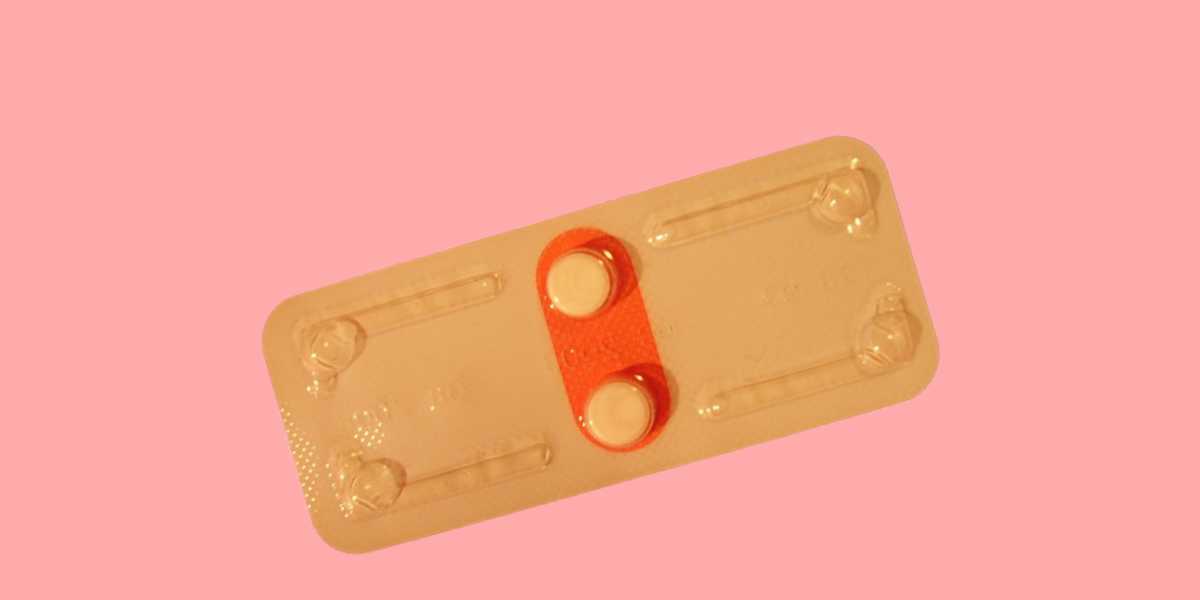
Emergency contraceptive pills.
Synopsis: India’s drug technical advisory board has ordered three mandatory boxed warnings on all levonorgestrel tablets, the first significant labelling overhaul since the pills entered the Indian market in 2002. The three warnings state that the pill “does not offer any protection against HIV or any sexually transmitted infections,” that it should not be taken more than twice a month, and that “use of alternative methods of contraception is encouraged in consultation with a registered medical practitioner.”
Every pack of emergency contraceptive pills sold in India will soon carry a new government-mandated warning: Do not take this medicine more than twice in a month. India’s drug technical advisory board has ordered three mandatory boxed warnings on all levonorgestrel tablets, the pills sold commercially as I-Pill and other morning-after brands, in what marks the first significant labelling overhaul since the pills entered the Indian market in 2002.
The Drugs Technical Advisory Board (DTAB), in its 93rd meeting held on 16 February, recommended the changes after deliberating on proposals forwarded from the 67th meeting of the Drugs Consultative Committee (DCC), held on 17 November 2025.
The three warnings, which must appear on the primary label, carton, and package insert, state that the pill “does not offer any protection against HIV or any sexually transmitted infections,” that it should not be taken more than twice a month, and that “use of alternative methods of contraception is encouraged in consultation with a registered medical practitioner.”
The board’s minutes make the directive unambiguous: “Levonorgestrel tablets 0.75mg/1.5mg that are emergency contraceptives shall be included/added as S.No.06 of entry No. 15 of Schedule K of Drugs Rules 1945,” adding that “rules may be amended accordingly.”
The labelling changes come at the end of a two-year regulatory process that began with a far more drastic proposal. In September 2023, Tamil Nadu’s drug controller pushed for emergency contraceptives to be moved from Schedule K, which allows over-the-counter sales, to Schedule H, which requires a doctor’s prescription.
The central committee rejected that proposal outright, keeping the pills available without prescriptions across India. Instead, it constituted a sub-committee, comprising gynaecologists, a pharmacologist, and representatives from CDSCO and Tamil Nadu, to study the matter for over a year before arriving at the labelling solution.
The decision reflects a broader tension in Indian public health policy: Tamil Nadu cited risks of irregular bleeding and overuse as justification for restricting access, while health experts have long argued that limiting availability pushes women toward unsafe abortions or forces them to continue unwanted pregnancies.
The 72-hour window within which the pill must be taken leaves little room for doctors’ appointments, particularly in states where women’s healthcare infrastructure remains sparse.
Tamil Nadu’s push for tighter controls is not new. The state banned emergency contraceptive pills outright in 2006 following pressure from conservative groups, and though the ban was later lifted, the effects have lingered.
Pharmacists across the state continue to face shortages, with many refusing to stock the pills or keeping them out of sight. Some have labelled them abortion pills, a medically inaccurate description given that levonorgestrel prevents pregnancy rather than ending one.
The Drug Controller General of India permits the sale of 0.75 mg levonorgestrel tablets without a prescription under the National Reproductive and Child Health Programme. The pills have been available in India since 2002.
For most women, the practical experience of buying the pill will remain the same: No prescription required. What will change is the information on the pack.
The new boxed warnings are designed to address concerns about overuse and misunderstanding of the pill’s limitations, particularly its inability to protect against sexually transmitted infections, a misconception that public health workers say is more common than assumed.
The committee drew a line on one drug. Ulipristal, a chemically different emergency contraceptive that has not yet entered the Indian market, will require a prescription when it does.
The 92nd DTAB meeting in April 2025 added ulipristal to Schedule H, meaning women will need a doctor’s authorisation to access it once it becomes available.
For now, levonorgestrel remains accessible, with a clearer label and a firmer set of instructions than it has ever carried before.
(Edited by Muhammed Fazil.)


