

Published Apr 23, 2026 | 11:02 AM ⚊ Updated Apr 23, 2026 | 11:02 AM

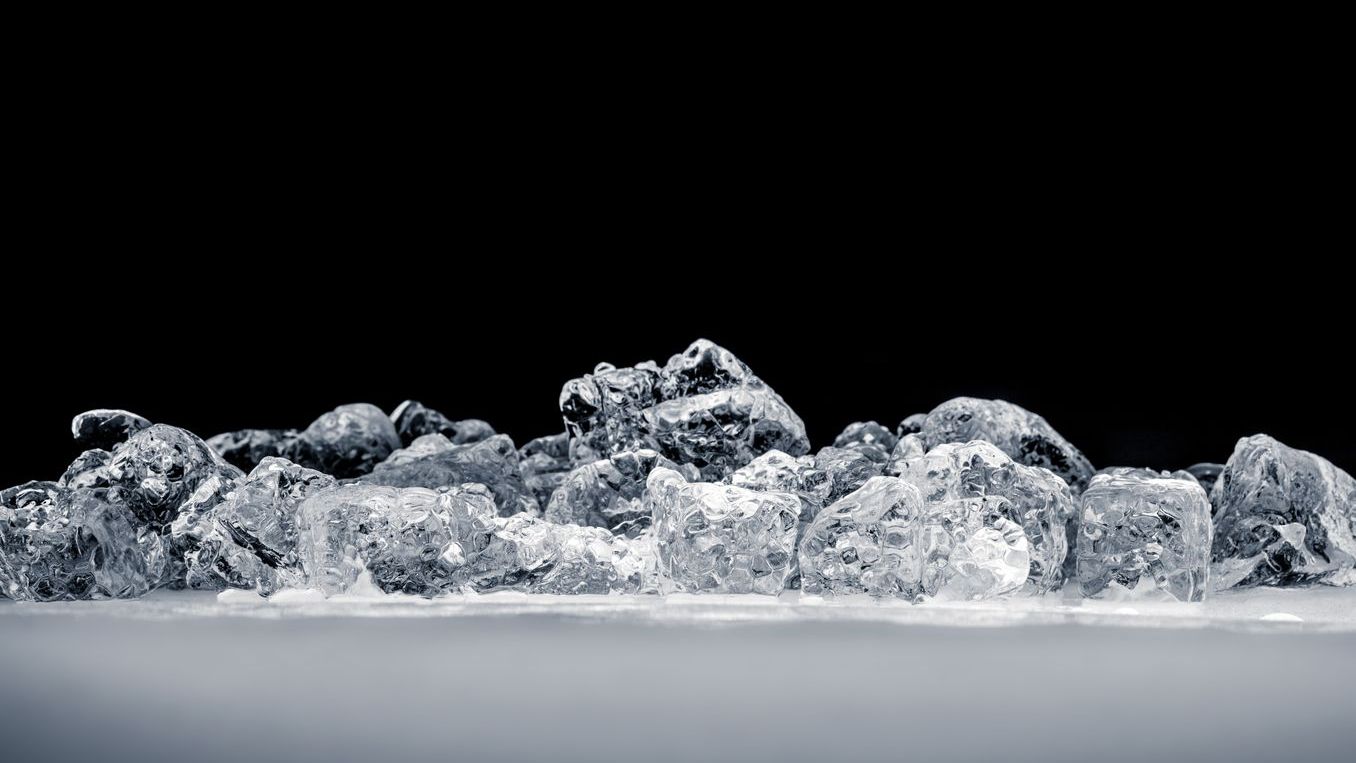
Crushed ice cubes. (iStock)

Synopsis: Contaminated ice in beverages is emerging as a key summer health risk due to unsafe water and poor handling practices. Doctors say it can spread infections like diarrhoea, typhoid, and hepatitis, stressing the need for proper hygiene and safe ice use.
As summer temperatures climb, doctors across India are flagging contaminated ice as one of the most overlooked drivers of seasonal illness, especially with rising consumption of chilled drinks across the country.
Authorities in Kerala have intensified surveillance of food and beverage outlets amid the seasonal spike in demand. Since 1 March, the Food Safety Department has conducted 3,641 inspections, issuing rectification notices to 291 establishments and compounding notices to 219 others for violations.
Also Read: Not all body odour is about hygiene – here’s what else it can be
“Contaminated ice is often made from unsafe or untreated water, which can carry bacteria, viruses, or parasites. When this ice is added to juices, it directly introduces pathogens into the drink,” Dr Surendran R, infectious diseases consultant at SIMS Hospital, Chennai, told South First.
He noted that higher temperatures increase consumption of cold beverages, which in turn raises exposure risk.
According to Dr Praveen Kumar Reddy, Consultant, General Medicine, SRM Prime Hospital, Chennai, maintaining proper hygiene is important because ice is often ignored as a potential source of contamination.
He highlighted several common ways ice can become unsafe:
● Handling ice with bare hands can transfer bacteria, as our hands are a common source of contamination.
● If ice trays or machines are not cleaned regularly, they can develop mould and bacterial buildup over time.
● Even if the ice is clean, using dirty scoops or tools can transfer germs to it and make it unsafe.
● Improper storage, such as leaving ice uncovered or close to raw foods, increases the risk of contamination.
● When ice melts and is refrozen, it may trap bacteria picked up during the melting process, making it unsafe.
Ice can absorb food odours, get contaminated if left uncovered or near raw items, and may develop bacteria if trays or freezers are unclean, he notes, adding that, while it may be safe for a few weeks if stored properly, it’s best to discard old ice and use fresh.
While contaminated ice is emerging as a key summer health concern, hospitals are also seeing a broader rise in food and water-borne illnesses.
“We commonly see cases of diarrhoea, food poisoning, vomiting and dehydration during this season,” Dr Surendran said, stressing that ice, often overlooked, is not harmless — if contaminated, it can spread the same diseases as unsafe food and water.
He noted that it can lead to gastrointestinal infections such as diarrhoea and dysentery, and in severe cases, illnesses like typhoid and hepatitis A.
He added that food poisoning — whether from unsafe ice, water or improperly handled food — is typically caused by bacterial, viral or parasitic contamination, with symptoms including stomach cramps, nausea, fever, headache and dehydration.
Also Read: How UK’s generational smoking ban is reigniting India’s debate on tobacco control
At home:
● Always use safe drinking water to make ice.
● Clean ice trays and machines regularly to avoid germs.
● Avoid touching ice directly — use a clean scoop or tongs.
● Store ice in a covered, clean container.
● Keep it away from raw foods like meat or fish.
When eating out:
● Look around — overall cleanliness matters.
● Well-maintained places are more likely to handle ice properly.
● Remember, ice should be treated just like any other food.
Commercial places should follow strict hygiene rules to keep ice safe. Staff must wash their hands, use clean scoops, and store them properly outside the ice bin. Ice machines should be cleaned and serviced in regular intervals.
(Edited by Muhammed Fazil.)



