

Published Nov 15, 2026 | 9:21 AM ⚊ Updated Nov 15, 2026 | 9:21 AM

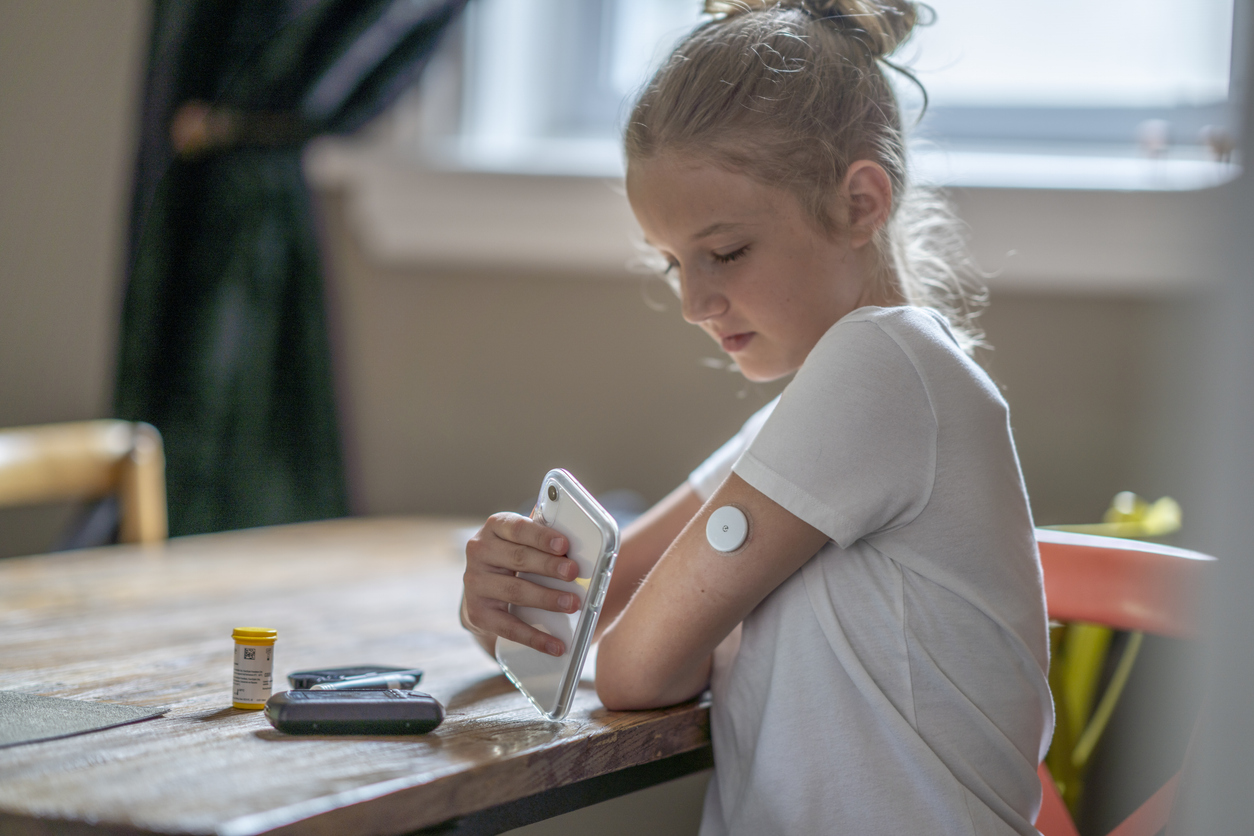
Type 1 diabetes in children. Representative image. (iStock)

Synopsis: Children with Type 1 diabetes need more than lifelong insulin treatment. From recognising early symptoms and preventing diabetic ketoacidosis to managing school routines, examinations and social stigma, this article examines the challenges children face and why schools, families and healthcare providers must work together to support them.
Children living with Type 1 diabetes have to monitor their blood glucose levels, take insulin and manage their meals and physical activity every day. But maintaining this routine becomes challenging at school, where examinations, sports, birthday celebrations and changing meal schedules can affect their glucose levels.
Recognising the early symptoms is equally important. Unexplained weight loss, persistent tiredness, excessive thirst and frequent urination are warning signs parents should not overlook. Younger children may also begin bed-wetting after being toilet-trained.
“There is a very simple way for parents to remember some of the early warning signs of Type 1 diabetes: the 4 Ts, Thinner, Tired, Thirsty and Toilet,” said Dr Uthra S, Senior Consultant at Dr. Mohan’s Diabetes Specialities Centre, Gopalapuram, Chennai.
“Parents may think the child is drinking more because of the weather, or that frequent urination is due to a urinary infection,” she told South First.
Type 1 diabetes can progress rapidly. When the body’s insulin supply becomes very low, ketones can develop within days, potentially leading to diabetic ketoacidosis (DKA), a serious and potentially life-threatening complication.
“So, when we see these four symptoms together, we should think of diabetes and check the child’s blood glucose rather than waiting for the child to become seriously unwell,” Dr Uthra said.
Unlike adults, children with Type 1 diabetes have changing insulin requirements as they grow. Their daily routine involves glucose monitoring, insulin administration, meals and physical activity.
“For a child, managing Type 1 diabetes is also more challenging because the child is growing and their insulin requirement can change quite frequently,” Dr Uthara said.
But managing the condition should not mean restricting childhood activities. “Their day involves glucose monitoring, insulin, meals, physical activity and watching for symptoms of both low and high glucose. But children also have school, play, examinations, birthday parties and outings. We have to fit diabetes management into their childhood rather than making diabetes their entire childhood,” she said.
School routines can make this difficult. Birthday celebrations, sharing food with friends and unexpected dietary changes complicate carbohydrate counting and insulin adjustments. Physical activity can also affect glucose levels.
“One of the biggest challenges is that children do not follow a predictable routine every day,” Dr Uthra says.
She adds that examinations can create additional difficulties when schools restrict children from carrying glucose monitoring devices, eating during examinations or taking necessary breaks.
“We need to understand that diabetes does not follow the school timetable. The child may need some flexibility to manage their diabetes safely while continuing to participate in normal school activities.”
Also Read: A schoolgirl and a fit marathon runner: What is behind sudden cardiac deaths in the young?
Schools need greater awareness of how to support children requiring insulin administration, glucose monitoring or immediate assistance during hypoglycaemia.
“Teachers do not have to become diabetes specialists. But if there is a child with Type 1 diabetes, the school should have at least a few responsible people who understand the child’s condition and know what to do in an emergency,” she says.
Children experiencing hypoglycaemia may become sweaty, shaky, hungry, weak, dizzy, confused or unusually irritable. If they are conscious and able to swallow, they should receive fast-acting glucose according to their individual diabetes management plan. Severe hypoglycaemia can cause seizures or loss of consciousness.
High glucose levels can cause excessive thirst, frequent urination and tiredness. Vomiting, abdominal pain and unusual breathing alongside very high glucose levels can indicate DKA and require urgent medical attention.
Living with diabetes from childhood can affect confidence and social relationships. Children may feel uncomfortable checking their glucose levels in front of friends, taking insulin at school or explaining why they need to eat at particular times.
Dr Uthra says connecting children with others living with the condition can help reduce isolation.
“In our centre, we conduct monthly programmes where children and families can meet and interact with diabetes peer groups,” she said.
She adds that seeing others manage diabetes while studying and playing sports can build confidence. Parents should also avoid making children feel guilty when their glucose readings are high or low.
CGM devices and insulin pumps can improve diabetes management, but their high costs limit accessibility. Dr Uthra stressed that technology cannot replace insulin, monitoring, nutrition and regular follow-ups. With appropriate family and school support, children can gradually manage diabetes independently and pursue their ambitions without restrictions.
(Edited by Fayisa CA)



