

Published Feb 10, 2026 | 7:00 AM ⚊ Updated Feb 10, 2026 | 7:00 AM

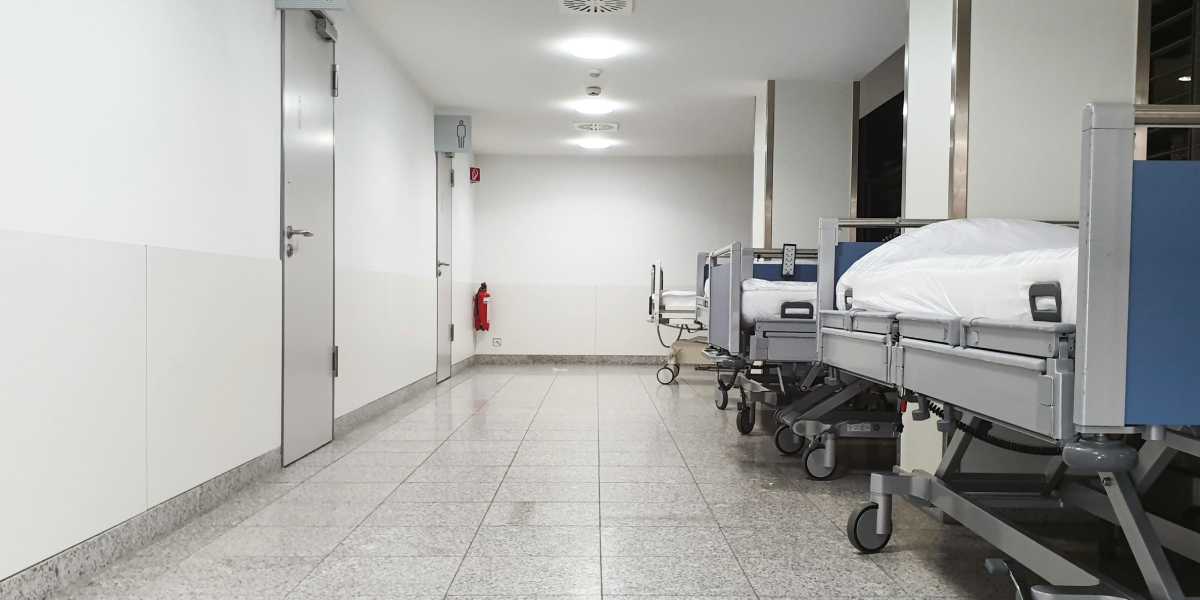
TGSRTC Hospital at Tarnaka in Hyderabad has won the NABH Entry-Level Certification
Synopsis: Some government hospitals now match private facilities in terms of safety. They follow the same protocols. They document what goes wrong. They train staff. Telangana leads here. The state has 131 accredited institutes in Hyderabad alone, government and private combined. Its administrators understand that good intentions fail without systems.
On 5 February, TGSRTC Hospital at Tarnaka in Hyderabad won the NABH Entry-Level Certification, something most government hospitals in India never chase. Now, the stamp tells patients that the facility meets benchmarks that private hospitals have pursued for years.
The hospital spent years building toward this achievement. It added modular operating theatres. It set up a Cath Lab for emergency cardiac care. It opened critical care services, attached a nursing college and started training doctors in surgery, orthopaedics, and general medicine.
But one reality separates Telangana State Road Transport Corporation (TGSRTC) Hospital from any private facility chasing the same certification. A government hospital cannot turn a patient away.
Dr Atul Mohan Kochhar, CEO of the National Accreditation Board for Hospitals & Healthcare Providers (NABH), put it succinctly at the International Health Dialogue 2026 in Hyderabad on 30 January: “They (government hospitals) have to be responsible for primary healthcare delivery, which no corporate gives.”
NABH works like a quality referee for hospitals. It sets standards for hospitals to prove that they keep patients safe. A hospital earns the NABH stamp only after the Board checks its systems, processes, and how it handles patient care.
As of now, NABH has certified 27,000 facilities across India and eight other countries.
India runs 80,000 hospitals. Only 4,000 have earned full accreditation. Another 30,000 are trying. The remaining 45,000 function without any quality framework.
Apollo Hospitals hosts the International Health Dialogue annually, now in its 14th year. Dr Sangita Reddy, Joint Managing Director of Apollo Hospitals Group, opened the 2026 conference by asking a lingering question.
“So much innovation is happening within our hospitals, within our systems. We are learning every day. But why is this knowledge staying within our own ecosystem? Why are we not sharing it more openly?” she said.
Her question matters more for government hospitals than anyone else. They treat most of India’s population. They operate with fewer resources. If they fail at safety, the consequences fall on people who have no alternatives.
Walk into a private hospital in Hyderabad. Specialists review cases. Digital systems track every medication. Teams run audits regularly.
Step into a government health centre in a small Telangana town. Doctors work back-to-back shifts. Records stay on paper. Equipment breaks and waits months for someone to fix it.
NABH knows this existing gap. So instead of one accreditation scheme, it built 30. Small hospitals start with a certification that focuses on the basics. After two years, if they follow through, they can attempt full accreditation. The system gives hospitals a ladder to climb, not a wall to run into.
Technology pushes that ladder further. NABH tested an AI tool that helps smaller hospitals fill accreditation forms, something that trips them up constantly. The hospital uploads all its documents in one folder: handwritten notes, PDFs, images, and policies. The AI reads through them, picks out what counts as evidence, and fills in the form. Five minutes. No large administrative team needed.
“That’s just a small use case of what the future of the quality journey is going to be for a hospital in a tier four city,” Dr Kochhar said.
Private hospitals manage their capacity. When beds fill up, they stop admitting patients. They move complex cases to better-equipped facilities. They schedule procedures to maintain flow.
Government hospitals cannot do any of these. The patient who arrives at midnight with no insurance stays. The accident victim wheeled in without paperwork or stays. The pregnant woman in labour, who had tried three private hospitals first, stays.
They treat all of them. With whoever showed up for the shift. Using whatever supplies remain. Under whatever infrastructure exists.
Dr Kochhar did not sugarcoat it: “They always have those challenges.”
Some government hospitals now match private facilities in terms of safety. They follow the same protocols. They document what goes wrong. They train staff. Telangana leads here. The state has 131 accredited institutes in Hyderabad alone, government and private combined. Its administrators understand that good intentions fail without systems.
Dr Kochhar described the problem that sits beneath all of this: “Every medical physician, nursing officer, healthcare giver is looked upon with suspicion.”
Patients walk into hospitals afraid. Not of the illness. Of the system. Will they get overcharged? Will something go wrong that no one tells them about?
Government hospitals carry that suspicion the heaviest. People assume public facilities deliver inferior care. They go there only when private treatment costs too much.
Accreditation offers a way to change that scenario. A government hospital with NABH certification shows patients proof that the facility meets standards.
NABH now runs 400 yatras every year. Teams travel to towns without motorable roads. They teach hand hygiene. They walk the staff through surgical safety checklists. They demonstrate how to document what happens to a patient. Basics that should require no teaching in 2026. But they do.
The organisation trained 1,50,000 quality professionals over 20 years. Now it targets 1,00,000 new professionals every year through virtual programmes.
Dr Kochhar set one number as the goal: zero harm. “Zero is the only number that can be accepted for patient safety risk,” he said.
That number applies equally to a corporate hospital in Hyderabad and a government clinic in a tier-5 town. The path to get there differs. The resources differ. The constraints differ.
But the question remains the same for both: Can a system that cannot turn anyone away prove it keeps everyone safe?
Some states answer in the affirmative. Others have not yet started trying. The gap between those two realities determines whether India builds one standard for patient safety or settles for two.
(Edited by Majnu Babu).


