

Published Aug 02, 2026 | 7:00 AM ⚊ Updated Aug 02, 2026 | 7:00 AM

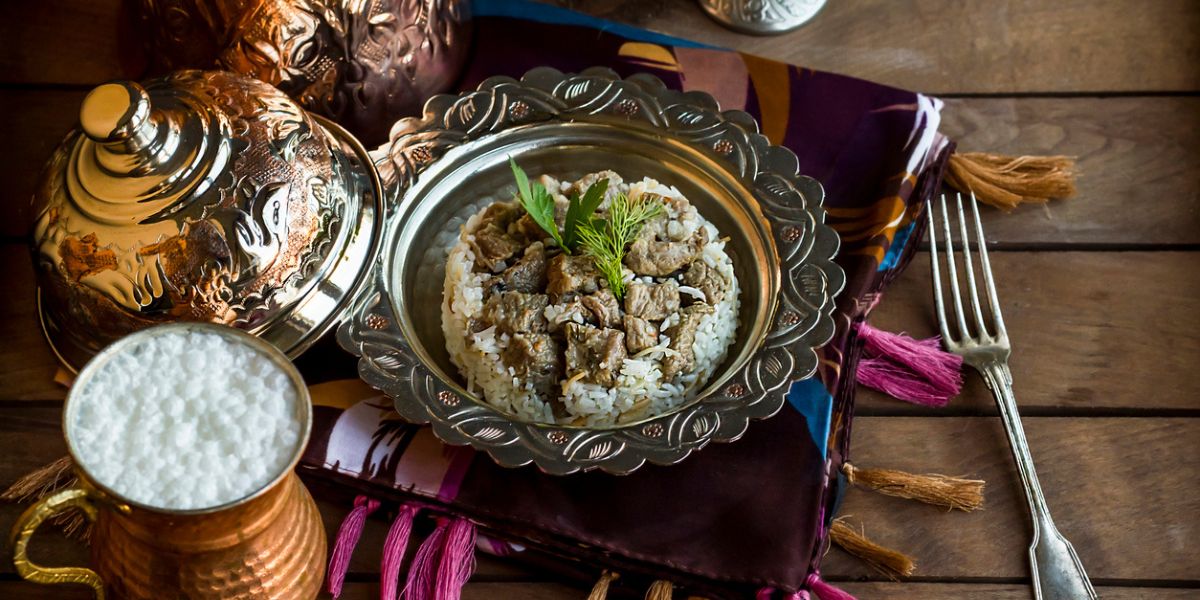
A heavy meal sets off a chain of events involving the digestive system, pancreas, liver, blood vessels and hormones.

Synopsis: From blood sugar spikes and rising triglycerides to hidden visceral fat and increasing cardiovascular risk, doctors explain how frequent consumption of South India’s favourite rich meals, especially when paired with alcohol, can gradually strain the heart and metabolism. The concern, they say, lies not in one feast but in lifelong eating patterns.
On Saturday evenings, restaurants across South India are packed. Families settle around steaming pots of Hyderabad biryani, friends order Mangalorean chicken ghee roast and Kerala porotta and beef fry, while others tuck into Andhra-style mutton curry, kebabs or seafood platters.
Birthdays, weddings, cricket screenings and weekend get-togethers often end the same way—with overflowing plates, followed by a drink or two.
For generations, these meals have been part of celebration rather than concern. But doctors say the problem isn’t the occasional feast. It is what happens when indulgence becomes routine.
Across cardiology clinics and nutrition departments, specialists say they are seeing more people in their 30s and 40s with obesity, high blood pressure, abnormal cholesterol and early heart disease.
While genetics, stress, inadequate sleep and sedentary lifestyles all play a role, they say frequent consumption of calorie-dense meals rich in refined carbohydrates, fats and sodium—especially when paired with alcohol—is quietly adding to the burden.
The concern is particularly relevant in southern India. According to the National Family Health Survey-6 (NFHS-6), Telangana records the highest alcohol consumption among India’s larger states, with 43.9% of men reporting alcohol use.
Other southern states also report relatively high levels of alcohol consumption among men, making the combination of rich food and drinking a broader public health issue rather than simply a weekend habit.
Also Read: Grappling with newer definitions of obesity
To most people, a plate of biryani is simply rice, meat and spices. Inside the body, however, it sets off a chain of events involving the digestive system, pancreas, liver, blood vessels and hormones.
Dr Palani Kannan, interventional cardiologist at Apollo Spectra Hospital, Chennai, says the body responds to such meals on several fronts simultaneously.
“Blood flow is redirected towards the digestive system to facilitate digestion. Refined carbohydrates cause rapid spikes in blood glucose and insulin, fats increase post-meal triglycerides, and excess sodium can temporarily raise blood pressure in salt-sensitive individuals. These meals can also trigger short-term inflammatory and oxidative stress responses, particularly when consumed frequently or in large portions,” he tells South First.
None of these responses is dangerous by itself. They are part of normal physiology. What worries cardiologists is repeated exposure. When large, calorie-rich meals become a weekly ritual, the body is repeatedly subjected to sharp glucose spikes, higher triglycerides and inflammatory responses that gradually contribute to metabolic dysfunction.
Nutritionists say the nutritional profile of many restaurant meals makes that challenge even greater.
“Food items like biryani have high energy density along with refined carbohydrates, fats and sodium, and are often consumed in larger portions,” Manjula Sridhar, a nutritionist at Apollo Spectra Hospitals, Chennai tells South First. “High sodium consumption can result in water retention as well as hypertension, while excess fats slow the digestive process and increase triglyceride levels after food consumption.”
Modern restaurant portions, she explains, are often much larger than what people prepare at home, meaning a single meal can easily provide far more calories, fat and salt than most people realise.
Ananya Konar, dietician at Apollo Speciality Hospital, Jayanagar, Bengaluru, says even the same dish can have very different health implications depending on how it is prepared.
“A typical biryani often contains a large amount of refined carbohydrates (white rice), generous amounts of fat from oil, ghee and meat, and relatively high levels of sodium from salt and seasoning, while providing only small amounts of vegetables,” she tells South First. “A homemade biryani with lean protein, more vegetables and moderate oil can have a very different nutritional profile than a large restaurant serving.”
Karthigai Selvi, chief dietitian at Gleneagles BGS Hospital, Bengaluru, says another problem is what these meals usually lack.
“Meals like biryani are often high in carbohydrates, fats, sodium and calories, but they are also low in fibre. Without adequate vegetables or protein, glucose is absorbed quickly, insulin levels rise sharply, and eating these meals frequently can lead to weight gain and poor metabolic health over time,” she says.
Taken together, the experts say, the issue is not one ingredient but the overall nutritional balance. A meal dominated by refined carbohydrates and fats, with little fibre or vegetables, places a much greater metabolic load on the body than a more balanced plate.
If a heavy meal already places the digestive system under pressure, alcohol changes how the body deals with it.
Unlike carbohydrates or fats, alcohol cannot be stored for later use. The liver treats it as a toxin that must be broken down immediately, temporarily setting aside many of its normal metabolic functions.
“Alcohol also slows down fat metabolism because the liver is prioritizing breaking down alcohol before fats, making it easier for excess calories to be stored,” Selvi explains.
That process means the liver becomes less efficient at processing the fat arriving from the meal, increasing the likelihood that excess calories will be stored rather than used for energy.
Sridhar says alcohol contributes to the problem in another way.
“The caloric value of alcohol is about seven calories per gram and thus serves as a major cause of calorie overconsumption because it is taken together with carbohydrate and fatty foods. Alcohol consumption tends to stimulate appetite and results in the consumption of greater portions of food and greater quantities of side dishes rich in calories,” she says.
In practical terms, alcohol doesn’t just add its own calories. It often encourages people to eat more than they otherwise would, turning an already calorie-dense meal into one that places an even greater burden on the body’s metabolism.
Konar says this is why the pairing of alcohol and biryani deserves attention.
“Consuming biryani and alcohol together can substantially increase the total calorie content of a meal. A high-fat meal combined with alcohol may also worsen indigestion, bloating or acid reflux in some people,” she says. “Limiting portion sizes, staying well hydrated and avoiding frequent heavy meals with alcohol are more important for long-term health than simply separating them by a few hours.”
Across the interviews, however, one message emerged consistently: doctors are not asking people to stop enjoying traditional South Indian food. Their concern is with frequency, quantity and lifestyle. A festive meal every few months is very different from making oversized, alcohol-accompanied feasts a weekly habit.
That distinction is becoming increasingly visible inside cardiology clinics.
“We often see patients in their 30s and 40s with obesity, high blood pressure, high cholesterol levels and early signs of heart disease. There isn’t a single cause for all of this, but consuming refined carbohydrate-heavy, calorie-dense and high-sodium meals can contribute to these conditions,” Dr P. R. L. N. Prasad, consultant interventional cardiologist at Gleneagles BGS Hospital, Bengaluru, tells South First.
He emphasises that diet is only one part of a larger picture that includes physical inactivity, chronic stress, poor sleep and genetics. But frequent overeating, particularly of highly processed and calorie-rich meals, has become an increasingly important contributor to cardiovascular risk.
Dr Anupama V. Hegde, senior consultant cardiologist at Ramaiah Memorial Hospital, Bengaluru, says she has witnessed a similar change.
“There is an increase in younger patients coming to us with high blood pressure, obesity that begins in childhood and continues into adulthood, and heart disease at a younger age. When alcohol is combined with a high-carbohydrate, high-sodium meal, it is like adding fuel to the fire. The Indian diet, which often consists of around 60% carbohydrates in the form of polished white rice and maida, is one of the major contributors to metabolic syndrome. The rising burden of diabetes in India is partly linked to these dietary habits,” she says.
Their message is not that biryani, rice or fat alone are responsible for India’s growing burden of lifestyle diseases. Rather, it is the cumulative effect of oversized portions, repeated calorie excess, regular alcohol consumption and sedentary living that is steadily reshaping the country’s cardiovascular health.
Heart disease rarely begins with a heart attack.
Long before symptoms appear, doctors say, changes are taking place deep inside the body. One of the earliest—and most dangerous—is the accumulation of visceral fat, the fat that surrounds internal organs rather than sitting just beneath the skin.
Unlike the fat visible around the waist, visceral fat behaves like an active organ. It releases inflammatory chemicals, disrupts hormones and interferes with the body’s ability to respond to insulin, creating the conditions for diabetes, hypertension and cardiovascular disease.
Dr Palani Kannan says many people misunderstand obesity because they judge it only by appearance.
“Visceral fat is an active tissue which influences metabolism and leads to the development of such problems as insulin resistance, inflammation and hormonal disorders. Even if a person looks like he or she has a healthy body mass index, he or she can be obese inside,” he says.
That hidden fat, cardiologists say, is increasingly common among young urban Indians whose body weight may appear normal but whose diets are dominated by refined carbohydrates, calorie-dense restaurant food and inadequate physical activity.
Dr Prasad says abdominal fat has become one of the most important markers doctors monitor today.
“Visceral fat, which is the fat stored around abdominal organs, is harmful because it increases inflammation and raises the risk of diabetes and heart disease. Waist size has become an important sign of heart disease even in people who do not look overweight,” he says.
The experts stress that this process develops gradually. It is not the result of a single celebration or a festive meal but of a dietary pattern repeated over months and years.
(Edited by Majnu Babu).



