

Published Jul 26, 2026 | 7:00 AM ⚊ Updated Jul 26, 2026 | 7:00 AM

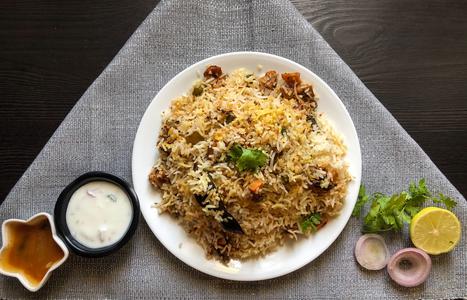
Occasional festive indulgence is unlikely to leave lasting damage, but repeated intake could harm the body.

Synopsis: A heavy meal may leave behind only temporary bloating, but doctors say repeated indulgence in calorie-dense foods and alcohol can quietly damage the liver and digestive system. Hepatologists and gastroenterologists explain how fatty liver, reflux and other digestive disorders develop gradually through dietary habits repeated over years, not isolated celebrations.
The bloating usually fades by bedtime. The heaviness after a plate of biryani eases. The acidity settles. By Monday morning, the weekend feast has become little more than a pleasant memory.
But inside the body, another story may still be unfolding.
Every rich meal passes through two organs that quietly determine how the body handles what it has just consumed: the gut, which digests and absorbs nutrients, and the liver, which processes them, stores excess energy and clears toxins.
Doctors said that while the occasional festive indulgence is unlikely to leave lasting damage, repeatedly eating calorie-dense meals rich in refined carbohydrates and fat—especially alongside alcohol—can gradually overwhelm these organs.
Across hepatology and gastroenterology clinics in South India, specialists are seeing a growing number of younger adults presenting with fatty liver disease, persistent acidity, reflux and other digestive complaints linked not to one celebratory meal, but to dietary habits repeated over years.
Also Read: Best food for a healthy liver and gut
The liver is often described as the body’s chemical factory.
Everything absorbed from the intestine passes through it before reaching the rest of the body. It decides whether nutrients should be stored, used immediately or converted into another form.
Dr Vinay Kumar BR, consultant hepatologist at Fortis Hospital, Bengaluru, said that after a large meal rich in carbohydrates, the liver first converts excess glucose into glycogen, the body’s short-term energy reserve.
“Any extra carbohydrates you eat are converted to glycogen and stored. Any calories the body doesn’t need are converted to fat,” he told South First.
Under normal circumstances, the liver is well-equipped to handle this workload. The problem begins when alcohol enters the picture.
“The liver also helps to process the fat from the food, and when you drink alcohol with it, the liver will prioritise breaking down the alcohol because the liver treats alcohol like a toxin. Fat metabolism slows down, and more fat can build up inside the liver,” Dr Kumar explained.
That shift in priorities has important consequences. Rather than efficiently processing fat arriving from the meal, the liver temporarily focuses on eliminating alcohol. Repeated often enough, doctors said, this increases the likelihood of fat accumulating inside liver cells.
Alcohol also affects the liver in another way.
“Alcohol also induces inflammation and oxidative stress, which makes it harder for the liver to repair itself. The repeated cycle of unhealthy food and alcohol can increase the risk of fatty liver disease and other metabolic problems over time,” Dr Kumar said.
The damage, however, is rarely immediate. Fatty liver develops gradually, making it easy for people to underestimate the cumulative impact of years of weekend indulgence.
Also Read: Eating more veggies can cut liver cancer risk
One of the biggest misconceptions hepatologists encounter is that fatty liver is mainly an alcohol-related disease.
Dr Kumar said that assumption is increasingly outdated.
“If you don’t drink alcohol, eating large portions of refined carbohydrates, sugary foods and calorie-rich meals regularly can put stress on the liver,” he explained.
Over months and years, excess calories are converted into fat that accumulates within liver cells. In people who are overweight, living with diabetes or have high cholesterol, that process can eventually progress to metabolic dysfunction-associated steatotic liver disease (MASLD).
Dr Devika Madhu, associate consultant in gastroenterology at KIMSHEALTH, Thiruvananthapuram, said the biology behind this process is well understood.
“Dietary fat is delivered to the liver as free fatty acids. Normally, the liver packs the triglycerides and exports them. Alcohol suppresses fatty acid oxidation while promoting fat accumulation in the liver. Hence, alcohol consumption along with a high-calorie diet leads to a higher chance of fatty liver formation as opposed to the diet alone,” she told South First.
Her observation reinforced an important point: alcohol and diet are not competing explanations. More often, they reinforce each other.
“It is difficult to say that ‘this liver damage is from diet and not alcohol.’ Clinical history and metabolic profile remain the cornerstone of differentiation, and in many patients, both diet and alcohol act together to accelerate liver injury,” she said.
For doctors, the question is therefore less about identifying a single culprit and more about recognising how multiple lifestyle factors combine over time.
Also Read: Doctors worried as more youngsters die of alcohol-related liver diseases
Fatty liver was once largely associated with middle-aged adults.
That is changing rapidly.
“We are seeing a clear shift toward younger adults (20–40 years) presenting with metabolic dysfunction-associated steatotic liver disease, often before they develop diabetes or overt obesity,” Dr Kumar said.
He estimated that “approximately one in three to almost two in five Indian adults may have MASLD, depending on the population”, illustrating how widespread the condition has become.
Dr Madhu said the trend is being driven largely by modern lifestyles rather than alcohol alone.
“The prevalence of fatty liver disease has significantly increased in young adults, even those in their 20s,” she said. Obesity, lack of exercise, junk food, sugary drinks and chronic calorie excess have become increasingly important contributors, while alcohol often accelerates an already existing metabolic problem.
One reason the disease is particularly concerning is that many people remain unaware they have it.
Unlike many illnesses, fatty liver rarely causes pain in its early stages.
Also Read: Fatty liver may soon be the next endemic, say doctors
For many patients, there is no warning. No fever. No stomach pain. No obvious illness.
“Fatty liver disease often progresses without symptoms, and many people have no symptoms in the early stages,” Dr Kumar said.
Instead, diagnosis often comes by accident.
“The first clues often come at routine health checks, when blood tests reveal raised liver enzymes or an ultrasound shows fat in the liver,” he said.
By then, the condition may already have been developing for years.
Another belief doctors frequently hear is that avoiding alcohol during the week somehow cancels out heavier drinking on weekends.
Dr Kumar said there is little evidence to support that assumption.
“Many people believe they can abstain from drinking during the week and compensate for it on the weekend. This habit is not safe,” he said.
The liver does not calculate alcohol intake week by week, he explains. Instead, it responds to repeated episodes of metabolic stress.
“It is the long-term repetition of these habits that increases the risk of fatty liver disease, obesity, diabetes and heart disease,” he stated.
For hepatologists, that pattern matters far more than any single celebration.
While the liver quietly processes nutrients and alcohol, the digestive tract is dealing with a more immediate challenge—breaking down one of the heaviest meals the body is likely to encounter.
For gastroenterologists, the discomfort that follows a rich lunch or dinner is often the body’s first signal that it is struggling to cope.
Dr Sharath Kumar JG, fellow in surgical gastroenterology at Apollo Spectra Hospital, Bengaluru, said meals such as biryani place an unusually high demand on the digestive system because they combine large amounts of refined carbohydrates, fats and proteins in a single sitting.
“A meal that is heavy like biryani, consisting mostly of refined carbohydrates and fats, results in a complicated digestive process in the body. Digestive enzymes and bile are secreted in larger amounts to digest the meal,” he told South First.
Digestion is far from a passive process. As food enters the stomach, acid begins breaking it down, while the pancreas releases digestive enzymes and the gallbladder delivers bile to help digest fats. The richer the meal, the harder these organs have to work.
The process also takes considerably longer than many people realise.
Among the different components of a meal, fat has the greatest influence on how quickly food leaves the stomach.
Dr Madhavan M, surgical gastroenterologist at Gleneagles Hospital, Chennai, said this is why oily, calorie-dense meals leave people feeling full long after they have eaten.
“Even without alcohol, a meal that is high in fat naturally stays in the stomach longer because fat takes more time to digest,” he said. “This can leave people feeling full, sluggish or uncomfortable for several hours.”
That delay is not necessarily harmful by itself. In fact, slowing stomach emptying is a normal physiological response that allows the body enough time to digest fats properly.
Problems arise when these meals become frequent or excessively large.
As the stomach remains distended for longer, pressure inside it increases. Many of the symptoms people associate with “overeating”—bloating, heaviness and abdominal discomfort—stem from this prolonged period before the stomach empties into the small intestine.
Doctors said this is why the sensation of being “too full” after a feast often lasts much longer than people expect.
One of the paradoxes of carbohydrate-rich meals is that they can leave people hungry again surprisingly quickly.
Dr Sreedhara V, surgical gastroenterologist at Apollo Hospitals, Bannerghatta Road, Bengaluru, said the body’s hormonal response partly drives this.
“Excess insulin continues lowering blood glucose even after needs are met, sometimes resulting in a subsequent drop in blood sugar. This can trigger renewed hunger, fatigue, shakiness or cravings within a few hours. One reason high-carbohydrate meals may lead to overeating is this rapid swing in blood sugar,” he said.
That roller-coaster pattern can make people reach for another snack even after consuming a meal that supplied far more calories than their body required.
Over months and years, doctors said, this repeated cycle contributes to excess calorie intake and weight gain.
Most people associate sodium with hypertension.
Dr Sreedhara said its effects extend to the digestive system as well.
“When combined with high sodium, the effects intensify. It also alters gut microbiota by reducing beneficial bacteria like Lactobacillus while increasing pro-inflammatory strains,” he said.
The gut microbiota—the trillions of bacteria that live inside the intestine—play an important role in digestion, immunity and metabolism. While research into the relationship between diet and the microbiome continues to evolve, gastroenterologists say diets consistently high in processed foods, salt and unhealthy fats are associated with less favourable changes in these bacterial communities.
Those changes may contribute to chronic inflammation and metabolic disease over time, although the exact mechanisms are still being studied.
Many people think bloating and heartburn are unrelated symptoms.
Doctors say they often arise from the same digestive process.
“Large meals stretch the stomach, increasing pressure inside it. Rich, oily foods also slow digestion, so food remains in the stomach longer, leading to bloating and discomfort,” Dr Sharath Kumar said.
As pressure inside the stomach rises, stomach acid is more likely to move back into the oesophagus, producing the burning sensation commonly recognised as acid reflux.
People who already have gastro-oesophageal reflux disease (GERD) are especially vulnerable because the muscle that normally prevents acid from travelling upwards is already weakened.
Alcohol can make matters worse.
“Consumption of alcohol will further enhance the acid production in the stomach along with relaxing the lower oesophageal sphincter. This combination of alcohol and rich and fatty foods can result in digestive discomfort such as bloating, heartburn and fullness,” Dr Sharath Kumar explained.
Despite decades of medical evidence, one belief continues to surface at family gatherings, weddings and restaurants—that a drink after a heavy meal somehow aids digestion.
Both gastroenterologists interviewed for this story reject that idea.
“Consuming alcohol does not promote efficient digestion and can actually lead to indigestion and heartburn,” Dr Sharath Kumar said.
Dr Madhavan agreed. “There is no scientific evidence to support this. In fact, alcohol can worsen acidity, irritate the stomach lining and aggravate reflux in susceptible individuals.”
Doctors opined that the misconception survives because alcohol produces a temporary feeling of relaxation after eating. That sensation, however, should not be mistaken for improved digestion.
If anything, they said, alcohol often delays recovery by irritating the digestive tract and worsening acid reflux.
Although anyone can experience discomfort after an unusually heavy meal, gastroenterologists say some people are far more vulnerable.
Patients living with gastro-oesophageal reflux disease (GERD), gastritis or irritable bowel syndrome (IBS) frequently report worsening symptoms after meals rich in fat and refined carbohydrates.
“People with GERD, gastritis or irritable bowel syndrome are more likely to experience heartburn, stomach pain, bloating or changes in bowel habits after large, rich meals. Alcohol, if consumed, can further aggravate these conditions,” Dr Madhavan said.
For these individuals, doctors recommend paying particular attention not only to what they eat, but also to portion size, meal timing and alcohol intake.
Every specialist interviewed for this story returns to the same conclusion.
A wedding feast. A festival lunch. A family celebration.
None of these is likely to determine a person’s long-term health. What matters is repetition.
“An occasional festive meal is unlikely to harm a healthy person. What concerns us is a regular dietary pattern that is consistently high in refined carbohydrates, unhealthy fats and low in fibre,” Dr Madhavan said.
Dr Vinay Kumar offered the same perspective from the liver clinic. “The problem isn’t this meal, but the pattern of eating like this repeatedly over many years.”
That pattern rarely announces itself dramatically. Fatty liver develops silently. Acid reflux often begins as an occasional inconvenience before becoming chronic. Metabolic disease builds gradually over years rather than weeks.
For doctors, the lesson is straightforward. The body rarely remembers one celebratory plate of biryani. It remembers the habits that quietly repeat themselves, weekend after weekend, long after the meal itself has been forgotten.
(Edited by Majnu Babu).



