

Published Jan 30, 2026 | 7:00 AM ⚊ Updated Jan 30, 2026 | 7:00 AM

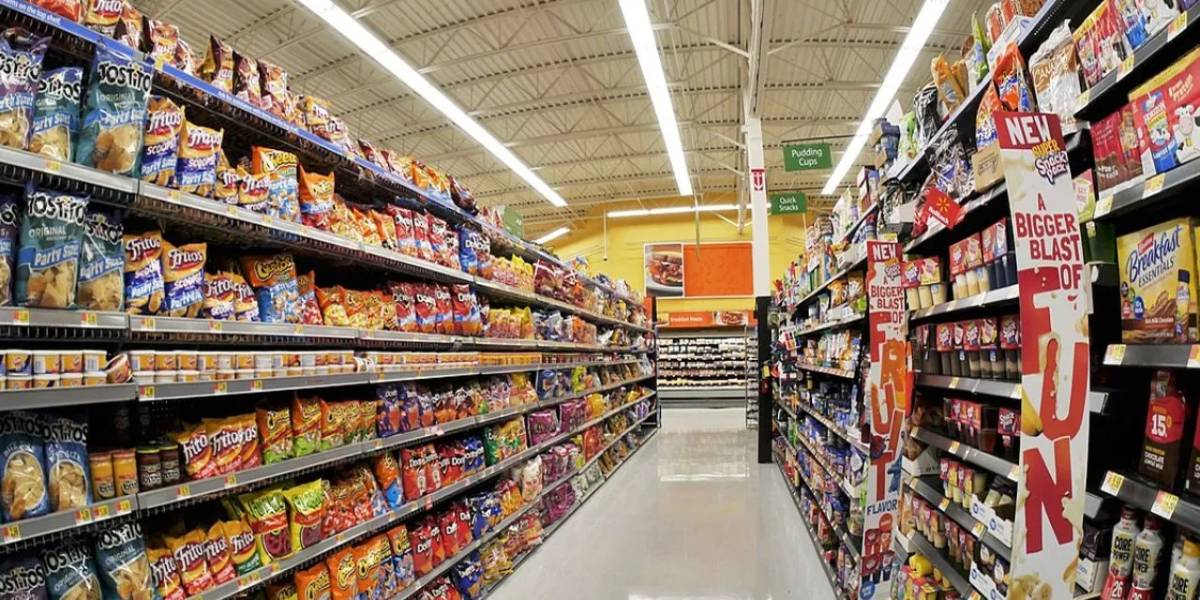
Ultra Processed Foods.
Synopsis: The survey cited a global Lancet Series on UPFs and Human Health, which consolidated evidence demonstrating that high UPF consumption is associated with multiple chronic diseases including obesity, heart disease, respiratory issues, diabetes and mental health disorders.
Chief Economic Adviser VA Anantha Nageswaran presented the Economic Survey 2025-26 on Thursday, 29 January, highlighting the alarming rise of ultra-processed foods (UPFs) in India and proposing stringent marketing restrictions to combat the growing health crisis.
The survey recommends exploring a comprehensive marketing ban on UPFs from 6 am to 11 pm across all media platforms, marking one of the most aggressive policy proposals to tackle the country’s rising obesity and non-communicable disease (NCD) burden.
“India is one of the fastest-growing markets for UPF sales. It grew by more than 150 percent from 2009 to 2023,” the survey stated. “Retail sales of UPFs in India surged from $0.9 billion in 2006 to nearly $38 billion in 2019, a 40 fold rise.”
The dramatic increase in UPF consumption has coincided with a near-doubling of obesity rates in both men and women during the same period, mirroring global trends linking dietary shifts to adverse health outcomes.
The survey cited a global Lancet Series on UPFs and Human Health, which consolidated evidence demonstrating that high UPF consumption is associated with multiple chronic diseases including obesity, heart disease, respiratory issues, diabetes and mental health disorders.
“UPFs are displacing long-established dietary patterns, worsening diet quality, and are associated with increased risk of multiple chronic diseases,” the report warned. “The rising use of UPFs imposes a substantial economic cost through higher healthcare spending, lost productivity, and long-term fiscal strain.”
The survey highlighted aggressive marketing strategies employed by UPF manufacturers, noting that campaigns often include “explicit encouragements for overconsumption, with phrasing such as ‘I bet you can’t eat just one’.”
Research cited in the survey found that adolescents exposed to unhealthy food and beverage advertising showed high desire and intention to consume the advertised foods. A study from Punjab revealed parental concerns about food advertisements during children’s television viewing time and celebrity endorsements, which they believed increased the frequency of children eating out.
“Marketing strategies for UPFs often include emotional selling or ‘buy one get one free’ tactics, as well as celebrity endorsements and projecting the UPF as a healthy food option,” the survey noted. “Such strategies lead to the displacement of whole foods and degrade the quality of diet.”
Beyond the proposed marketing ban from 6 am to 11 pm, the survey recommended enforcing restrictions on the marketing of infant and toddler milk and beverages. It also suggested further action on marketing activities, including school and college event sponsorships by UPF manufacturers.
The survey pointed to successful international examples, including Chile’s integrated laws and the UK’s recent ban on junk food advertising before 9 pm on television and online to reduce children’s exposure and curb childhood obesity.
“Chile is an example of a country with integrated laws. Advertisement restrictions are also done in other countries, such as Norway and the UK. Recently, the UK has banned junk food advertising before 9 pm on TV and online to reduce children’s exposure and curb childhood obesity,” said the survey report.
On front-of-pack nutrition labelling, the survey recommended replacing the proposed Indian Nutrition Rating (or Health Star Rating) system with warning labels, which studies have shown are “the most effective option for discouraging UPF consumption.”
The survey identified critical weaknesses in India’s current regulatory framework. Whilst the National Multi-sectoral Action Plan (NMAP) for Control of Common NCDs was introduced in 2017 with a target to halt obesity by 2025, enforcement against misleading food advertisements has been inadequate.
“Rule 7 of the Advertisement Code prohibits misleading, unverified, or unhealthy advertisements, it does not define ‘misleading’ with measurable or nutrient-based criteria, leaving interpretation subjective and inconsistent,” the survey observed.
Public health experts concluded that “a robust regulatory framework is needed to protect children from HFSS food marketing, not just what is ‘directed’ at them, with clear evidence-based food classification criteria.”
The survey also recommended that warning labels be added to UPFs or high-fat, sugar and salt (HFSS) foods targeted at infants and toddlers, as these foods are currently not included in regulations. Additionally, it called for prohibition of nutrient and health claims on UPFs to avoid “health halo effects.”
“Improving diets cannot depend solely on consumer behaviour change; it will require coordinated policies across food systems that regulate UPF production, promote healthier and more sustainable diets and marketing,” the survey concluded.
(Edited by Sumavarsha)


