


Published Apr 01, 2026 | 7:11 AM ⚊ Updated Apr 01, 2026 | 7:11 AM

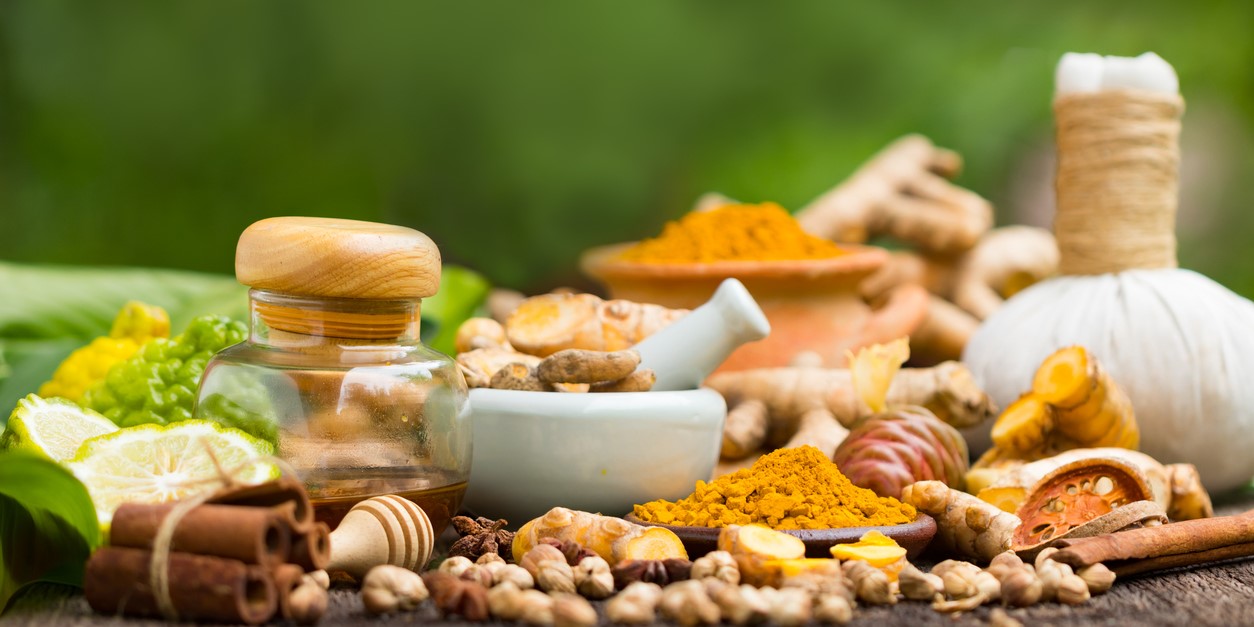
Ayurvedic medicines. Representational Image. (iStock)
Synopsis: A new Union government-backed clinical study will test Ayurveda as a supportive therapy alongside standard tuberculosis treatment. Experts said that while nutrition and supportive care are crucial in TB recovery, the effectiveness of Ayurvedic interventions must be established through scientific evidence once the study results emerge.
For tuberculosis (TB) patients, treatment does not end with swallowing months of medication. Many struggle with weight loss, weakness and slow recovery even after the infection begins to clear.
Doctors say recovery from TB is not just about eliminating the infection but also about rebuilding immunity, nutrition and overall health.
Against this backdrop, the Union government announced a new clinical study to examine whether Ayurveda can support recovery in tuberculosis patients when used alongside standard anti-TB medicines.
The initiative, announced on World Tuberculosis Day, aims to scientifically test if traditional therapies can improve nutrition, recovery and quality of life among patients undergoing treatment.
The collaborative clinical study titled “Clinical Study on Ayurveda as an Adjunct Therapy for Tuberculosis” was announced jointly by the Ministry of AYUSH and the Department of Biotechnology of the Government of India at an event held at Vigyan Bhawan.
Announcing the initiative, Union minister Jitendra Singh said India’s TB response is increasingly being driven by innovation and research.
“India is moving in the right direction in its fight against tuberculosis, with a significant decline in incidence driven by dedicated and innovative efforts under the leadership of the Prime Minister,” he noted.
The Union minister added that the new collaboration aims to combine modern biomedical research with traditional knowledge systems. “The launch of this collaborative clinical study reflects our commitment to science-led, evidence-based innovation, integrating modern biomedical research with validated traditional knowledge systems,” he said.
He added that ongoing research efforts are also focusing on major challenges in tuberculosis care, including drug resistance, undernutrition and the long-term health impacts of the disease.
Officials from the Ayush ministry said the study reflects a broader shift in how tuberculosis care is viewed.
Speaking at the event, Minister of State for Ayush Prataprao Jadhav emphasised that the goal is not just to eliminate infection but also to improve patients’ overall well-being.
“The treatment of tuberculosis is not only about eliminating the infection, but about making the patient completely healthy,” he said.
“With this approach, we are moving towards a new perspective where Ayurveda and other Ayush systems are not only supportive in treatment but also play an important role in improving recovery, nutrition and the quality of life of patients.”
The multi-centre clinical study will evaluate the efficacy, safety and tolerability of an Ayurveda regimen alongside standard anti-tuberculosis treatment, along with nutritional support.
The trial will be conducted across institutions, including the All India Institute of Medical Sciences (AIIMS), Jawaharlal Institute of Postgraduate Medical Education and Research (JIPMER) and North Eastern Indira Gandhi Regional Institute of Health and Medical Sciences.
Respiratory medicine specialist Dr Sundararajaperumal Anandakrishnan, Professor at Madras Medical College, said the initiative appears to explore Ayurveda only as a supportive component alongside standard tuberculosis treatment.
“This study is looking at evidence-based integration of Ayurveda as an adjunct therapy — not as an alternative — to standard anti-TB treatment,” he told South First, noting that the approach seems aimed at improving patients’ quality of life, reducing treatment-related side effects and supporting recovery.
He emphasised that conclusions should only be drawn after the study is completed and properly evaluated, cautioning against overstating early expectations.
According to him, adjunct therapies have produced mixed results in the past, making rigorous validation essential before claiming any clear benefits.
Dr Anandakrishnan also pointed out that the announcement does not yet specify which Ayurvedic formulations or treatment regimen will be studied.
“At this stage, it is only an announcement of a clinical study looking at Ayurveda as an adjunct to standard anti-TB treatment. The specific Ayurvedic formulations being evaluated have not been detailed yet,” he said, adding that the study protocol and eventual results would be key to assessing their real impact.
Reflecting more broadly on traditional medicine, he said systems such as Siddha are often better understood as approaches that emphasise healthy living and prevention.
While they may play a supportive role alongside modern medical treatment, he said their role in specific disease management must still be established through careful scientific study.
Medical experts said the initiative highlights the need for more research in a country that continues to carry a large share of the global tuberculosis burden.
Dr Sameer Bansal, senior consultant pulmonologist at Apollo Hospital, Bengaluru, said India needs more original research in the field. “India is the TB capital, and it’s about time we do some original research and development in this field,” he told South First.
Welcoming the study, he noted that its outcomes must be evaluated carefully.
“While it’s a good initiative, one hopes that some actual ground-breaking research happens rather than just pushing an AYUSH agenda,” he said, noting that persistent challenges such as overcrowding, inconsistent medication supply, poor therapy monitoring and limited testing facilities still affect TB control.
He also cautioned that TB drugs can cause liver toxicity and drug interactions, making careful evaluation essential when introducing adjunct therapies.
Dr Surendran R, infectious diseases consultant at SIMS Hospital, Chennai, said nutrition and immunity already play a crucial role in tuberculosis recovery. “Nutrition and immunity play a very important role in the management of TB along with anti-TB medicines,” he told South First.
Patients are typically advised to follow protein-rich diets and often receive dietitian support during treatment, which can help speed recovery.
Studying Ayurvedic medicines as a supportive therapy for immunity, cachexia, and nutrition is a new approach, he said, adding that their effectiveness will become clear only after the results of the clinical study are analysed.
(Edited by Muhammed Fazil.)


