


Published Mar 12, 2026 | 11:41 AM ⚊ Updated Mar 12, 2026 | 11:41 AM

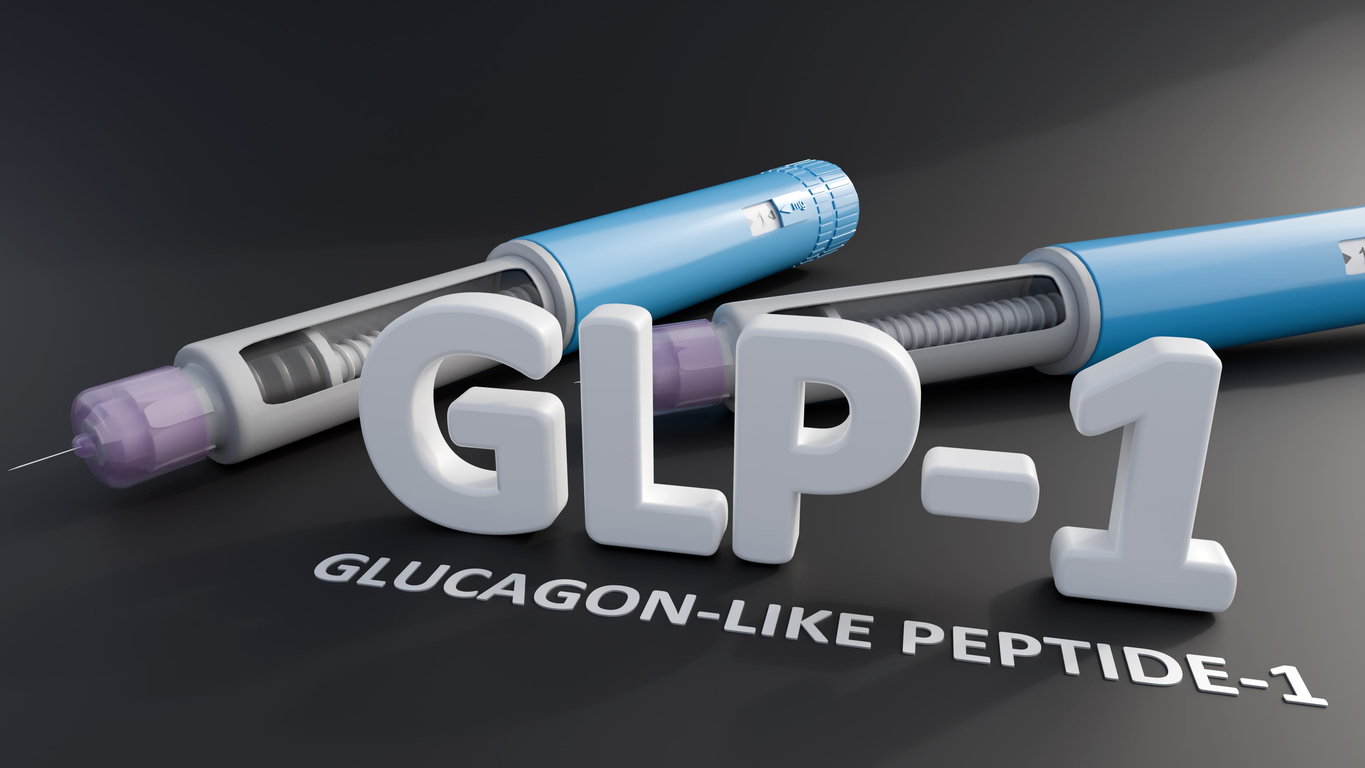
GLP-1 drugs. (iStock)
Synopsis: The CDSCO issued a warning that drug manufacturers who run obesity campaigns as illegal surrogate advertising of prescription-only medicines will be dealt with strongly. The CDSCO advisory identifies multiple ways pharmaceutical companies have been promoting GLP-1 drugs to the general public despite regulations prohibiting direct-to-consumer advertising of prescription medicines.
A billboard at the food court in Lulu Mall, Hyderabad, reads: “Obesity is a disease, consult your doctor.” The sign shows an uncomfortable, overweight woman. The branding reveals which multinational pharmaceutical company placed it — one that manufactures and sells GLP-1 drugs in India.
Now, India’s drug regulator, the Central Drugs Standard Control Organisation (CDSCO), issued a stern advisory declaring that such campaigns, including illegal surrogate advertising of prescription-only medicines, will be dealt with strongly.
“Any promotional activity, including so-called ‘awareness campaigns,’ that functions as a surrogate advertisement for prescription-only drugs shall be viewed seriously and may be treated as an irrational or misleading marketing practice,” stated Dr Rajeev Singh Raghuvanshi, Drugs Controller General of India.
The CDSCO advisory identifies multiple ways pharmaceutical companies have been promoting GLP-1 drugs to the general public despite regulations prohibiting direct-to-consumer advertising of prescription medicines.
Mall and Airport billboards: Disease awareness displays at shopping centres that create brand recall through colour coding and imagery.
Pharmacy signboards: A Hyderabad pharmacy outlet displayed signage stating “Mounjaro available” and sent daily app notifications advertising the drug’s availability.
Social media influencers: Multiple influencers have publicly stated they use GLP-1 drugs without mentioning brand names, but in ways that make clear which products they reference.
Digital campaigns: Disease awareness initiatives on social media platforms that indirectly promote specific prescription drugs.
The CDSCO clarified that any form of advertisement, direct or indirect, violates drug regulations if it:
“Obesity is a chronic metabolic condition requiring comprehensive management, including lifestyle interventions,” the advisory stated. “Pharmaceutical therapy, where indicated, must not be projected in a manner that undermines public health initiatives promoting diet control, physical activity, and preventive healthcare measures.”
The regulator emphasised that promotional activities carried out under the pretext of disease awareness, influencer engagement, or corporate campaigns that create brand recall shall be treated as violations.
Endocrinologists interviewed about the issue distinguished between genuine disease awareness and pharmaceutical marketing.
“If the messaging is not directly promoting a specific drug and is instead spreading awareness that obesity is a disease, then that can be a positive thing,” Dr Vidya Tickoo, Consultant Endocrinologist and Diabetologist at Yashoda Hospitals, Hyderabad, told South First.
She noted that obesity has not been taken seriously enough. “For a long time, many people tend to ignore it until they develop complications such as heart disease or liver problems. Ideally, we should address obesity much earlier.”
Dr Tickoo pointed out that obesity leads to more than 200 other health conditions. “If we treat obesity effectively, we can indirectly prevent or manage many of those related diseases.”
However, she acknowledged the problem when awareness crosses into promotion: “It becomes a problem only if the messaging crosses the line and starts indirectly encouraging people to use specific medications.”
Dr E Ravi Shankar, Consultant Endocrinologist at Apollo Hospitals, Jubilee Hills, explained that the development of GLP-1 drugs changed how doctors view obesity.
“Thanks to the development of these medications, even the medical community has started taking obesity more seriously. Earlier, even doctors often did not view it as a major medical condition because we did not have effective treatment options,” he told South First.
“All we could advise patients was to sleep well, exercise, eat healthy food and avoid junk food. We did not have many medical tools to offer. Now that these medications exist, we at least have something in our armamentarium to help patients.”
However, Dr Shankar drew a clear line: “As long as the intention is to improve disease awareness, it can be beneficial. But if it starts pushing people towards using particular drugs, then it becomes an issue.”
Both doctors reported patients requesting the drugs for cosmetic weight loss despite not meeting medical criteria.
“A lot of people do approach us for these medicines even when they do not meet the criteria. Many want to lose weight for cosmetic reasons,” Dr Tickoo said. “But we clearly explain that this is not a cosmetic medication and it should not be used unless the medical indications are present.”
The drugs carry approval for BMI above 30 without other conditions, or BMI above 27 with obesity-related complications like diabetes.
Dr Shankar noted misuse without prescriptions: “There are people who use these drugs without a doctor’s prescription. Some may have heard that they can lose four kilos quickly and fit into a dress for a wedding or look better for a particular occasion.”
“These medications are not licensed for cosmetic reasons. They are meant for metabolic conditions such as type 2 diabetes or medically defined obesity,” he emphasised.
Dr Tickoo addressed concerns about side effects that have circulated in media reports.
“The most common side effects are gastrointestinal. Patients may experience nausea, bloating, loose motions or constipation. However, these are usually mild to moderate and generally manageable,” she said.
Only a small proportion discontinue treatment. “Roughly around one to four percent of patients may stop the medication due to gastrointestinal symptoms.”
She dismissed concerns about suicide risk and blindness: “These are not supported by strong scientific evidence so far. Large registries and studies have not shown a clear causal relationship between these drugs and such complications.”
On pancreatitis concerns, she noted: “In large studies involving tirzepatide, the incidence was around 0.6 per cent, which is similar to the baseline incidence seen among people with diabetes in general.”
The CDSCO directive requires manufacturers and marketing authorisation holders to:
Strict prohibition: No advertisement of GLP-1 drugs in print, electronic, digital, social media, or any public platform.
Product information: Prominently display authorised personnel details, office codes, and dedicated contact numbers for consumer queries and complaints.
Risk management: Submit comprehensive risk management plans ensuring continued safety monitoring and risk minimisation measures.
Ethical standards: Comply with all ethical and regulatory norms to ensure vulnerable populations are not exploited.
The advisory applies to all manufacturers, importers, and marketing authorisation holders under the provisions of the Drugs and Cosmetics Act, 1940 and Drugs Rules, 1945.
The regulatory crackdown creates tension between legitimate public health education and pharmaceutical marketing.
Dr Tickoo noted growing fitness consciousness: “The fitness industry has grown significantly, gyms are fuller, and many people are trying to improve their diets. Overall, increasing awareness about obesity and metabolic health is a good thing because these are major health challenges today.”
Dr Shankar agreed: “Raising awareness about diseases like obesity, diabetes and other metabolic disorders is not necessarily a problem if it is done responsibly. In fact, it can be helpful for the public.”
However, the CDSCO advisory makes clear that awareness campaigns funded by pharmaceutical companies selling the drugs being discussed constitute illegal surrogate advertising, regardless of whether specific brand names appear.
The regulator’s message: obesity requires treatment, but prescription drugs require prescriptions — not mall billboards.
(Edited by Muhammed Fazil.)


