


Audit findings from CAG point to systemic gaps in public healthcare delivery that cast doubt on the reliability of aggregate service data.

Published Jan 06, 2026 | 7:00 AM ⚊ Updated Jan 06, 2026 | 7:00 AM

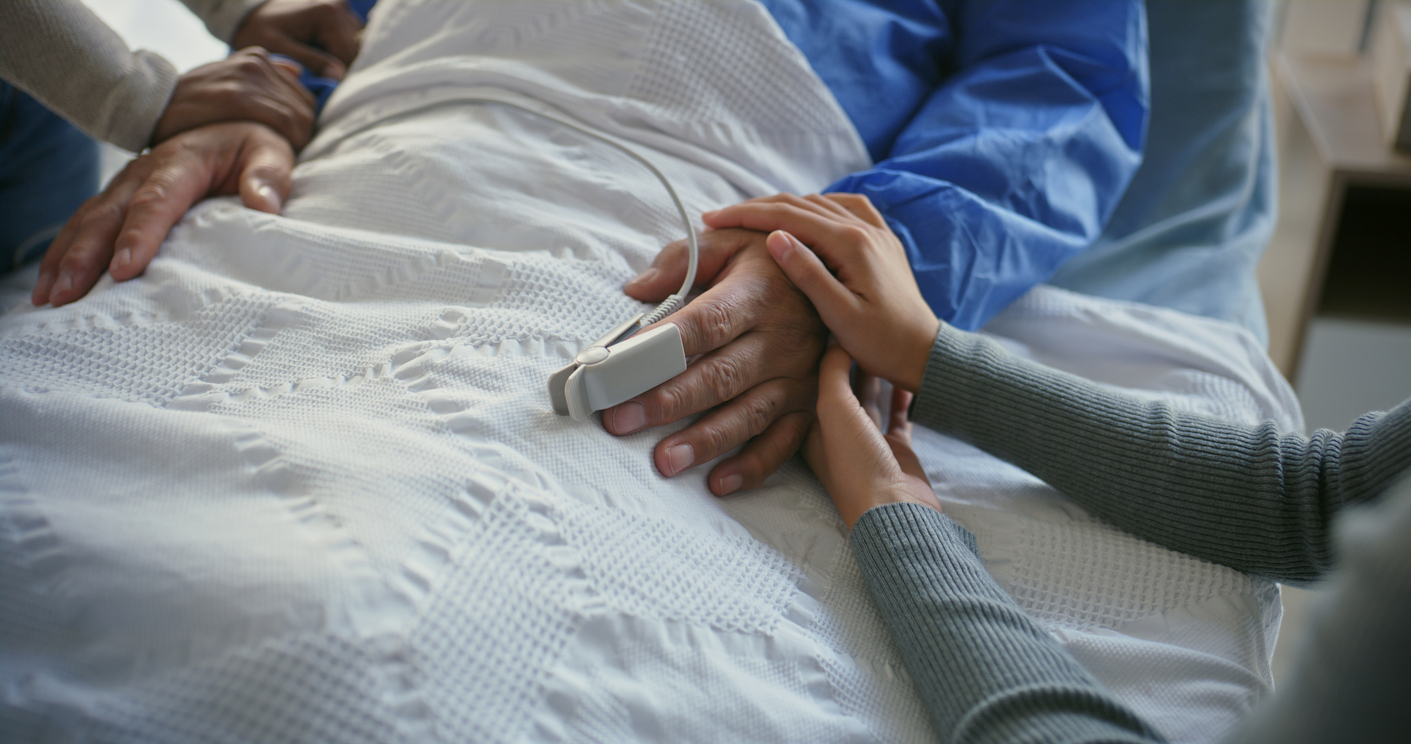
Representational image. Credit: iStock
Synopsis: India’s palliative care network now spans 600 districts and is integrated into primary healthcare, the Health Ministry reported. Yet experts warn official figures mask uneven access, with Kerala and Tamil Nadu driving most home-based care. Stagnant morphine use, missing essential drugs, and audit findings highlight gaps. Without quality indicators, rising numbers risk overstating real patient relief and system impact.
India’s palliative care network is expanding rapidly, with services now functional in around 600 districts and integrated into primary healthcare across the country, the Union Health Ministry said.
Presenting the data in Parliament, Minister of State for Health and Family Welfare Prataprao Jadhav said palliative care is being delivered through Ayushman Arogya Mandirs, community health workers and home-based services—painting a picture of a system steadily moving closer to patients’ homes.
But a closer reading of the Ministry’s own figures reveals a more complex and uneven reality.
While administrative coverage and reported service volumes have grown sharply in recent years, experts tracking palliative care on the ground caution that official numbers often reflect reporting compliance rather than sustained or quality care.
The contrast is particularly stark across states, with southern India showing markedly different patterns of outpatient, inpatient and home-based care—raising questions about whether the rapid expansion described by the Ministry is translating into meaningful relief for patients living with life-limiting illness.
Experts point out that the sharp rise in reported home-based palliative care nationally is driven largely by Kerala and Tamil Nadu, where palliative care systems have been built over decades. Outside these states, home-based care remains sporadic despite significant need.
In the national capital, for instance, the gap between demand and reported delivery is striking. “Studies from Delhi estimate that nearly 60,000 to 80,000 people require home-based palliative care every year,” told an expert working in the palliative care field to South First, speaking on condition of anonymity.
“Yet the Rajya Sabha data shows that only 35 people were reported to have received home-based palliative care.”
The expert also flagged a key contradiction in the Ministry’s figures. While parliamentary data indicates a steady increase in the number of individuals reported to have received palliative care, national morphine consumption has remained largely stagnant at around 550 kilograms per year.
“Morphine consumption is a well-established proxy indicator for access to and availability of palliative care,” the expert said.
“If access were truly expanding at the scale suggested by the data, morphine use should show a corresponding increase. The two trends are incongruent.”
Compounding this, several states continue to lack essential medicines required for palliative care. According to the expert, 17 state essential drug lists do not include oral morphine, raising questions about what kind of care is being delivered even where services are reported.
“When we look at these numbers, we have to ask what needs of patients were actually met and what services were delivered,” the expert said.
More fundamentally, the expert cautioned that the data offers no clear picture of unmet need. “We still do not know the state-wise palliative care need in India. Without that denominator, it is impossible to say whether access has improved,” they said.
The absence of disaggregated data also makes it difficult to assess whether services involved pain management, psychosocial support, end-of-life care, or only brief consultations.
Drawing a comparison with maternal health programmes, the expert noted that palliative care lacks standard implementation indicators.
“In maternal care, indicators such as tetanus toxoid coverage or iron and folic acid supplementation are routinely used to assess programme performance. Palliative care has no such benchmarks,” the expert mentioned.
“Without defined indicators, interpreting these numbers becomes extremely challenging, because we cannot be sure whether the services reported were truly palliative care.”
Audit findings from CAG point to systemic gaps in public healthcare delivery that cast doubt on the reliability of aggregate service data.
A performance audit of public health infrastructure in Delhi found chronic shortages of doctors, nurses and paramedical staff, inconsistent availability of essential medicines, and severely constrained consultation times in major government hospitals.
Despite budgetary allocations, patients were often unable to receive prescribed medicines on the same day, while diagnostic equipment and hospital infrastructure remained underutilised due to manpower shortages.
The CAG report also flagged weaknesses in health system management that have implications beyond Delhi.
“Essential Drugs Lists were not updated regularly, procurement agencies failed to ensure timely supply of medicines, and quality testing delays meant that inferior drugs were sometimes consumed by patients,” the report noted.
At the same time, large portions of health budgets remained unutilised across multiple years. Public health experts say such findings highlight a disconnect between administrative reporting and patient-level access to care—raising questions about how national datasets capture the reality of service delivery.
The expert said the audit findings reinforce concerns about the Health Ministry’s palliative care data.
“When public health systems are still struggling to deliver core services such as maternal healthcare and infectious disease control despite years of investment, it becomes difficult to accept claims of expanded palliative care access at face value,” the expert added.
“Palliative care awareness itself remains limited among public healthcare providers across much of the country, making it necessary to treat these numbers with caution.”
According to the Ministry, palliative care has been embedded into routine primary healthcare delivery through 1.59 lakh government primary care facilities, excluding AYUSH centres, as of December 2025.
The programme relies on Community Health Officers, Multi-Purpose Workers and ASHAs to identify patients requiring palliative care, conduct home visits and ensure follow-up and referrals.
“ASHAs and community volunteers are trained to identify bedridden patients and others needing palliative care within the community,” the Minister said, noting that CHOs supervise care and provide pain management and emotional support.
The Ministry’s data shows a steady rise in reported service utilisation over the past three years. Between 2023–24 and October 2025–26, more than 1.26 crore outpatient visits, 19.15 lakh home visits, and 3.36 lakh inpatient admissions related to palliative care were reported nationally.
The highest volumes of home-based care were recorded in Kerala and Tamil Nadu, while several other states reported relatively low numbers despite large populations.
“Tele-consultation services at Ayushman Arogya Mandirs are also being leveraged to provide access to specialists,” Ministry noted, adding that home care kits containing basic equipment, consumables and medicines are being provided to frontline health workers as per operational guidelines.
Until palliative care is measured not just by coverage and counts but by pain relief, continuity and quality, rising numbers alone will remain an incomplete and potentially misleading marker of progress.
(Edited by Amit Vasudev)


