

Published May 20, 2024 | 8:00 AM ⚊ Updated May 20, 2024 | 8:00 AM

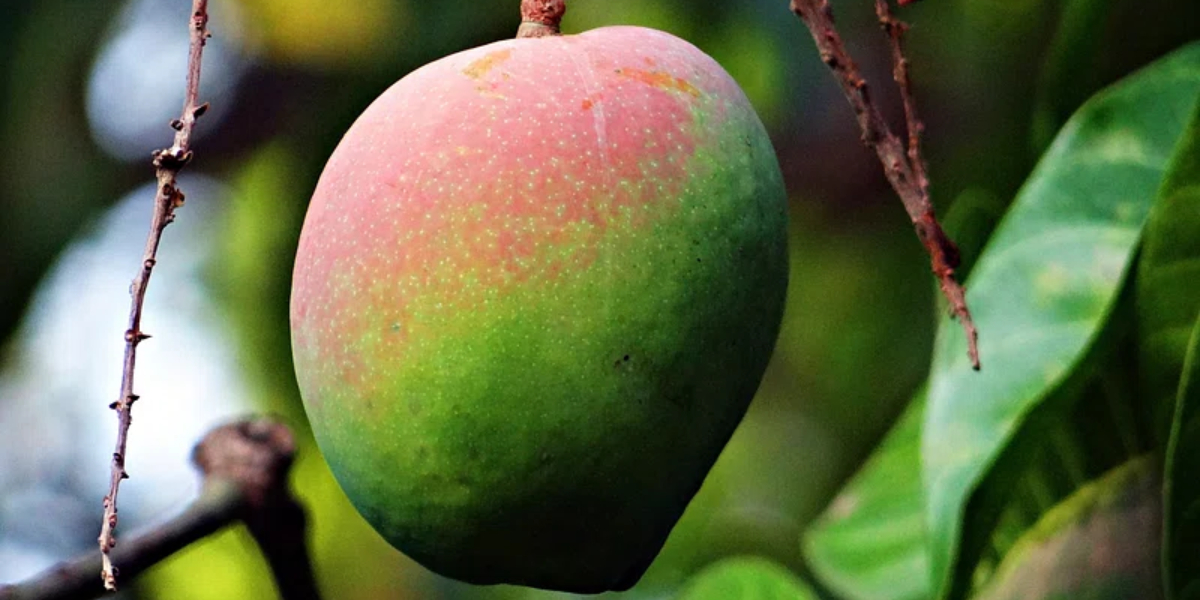
When calcium carbide reacts with moisture, it produces acetylene gas, which mimics the action of ethylene, a natural plant hormone that causes ripening. (Creative Commons)

As the mango season begins, fruit vendors and the general public often use calcium carbide for ripening the fruit.
The Food Safety and Standards Authority of India (FSSAI) has instructed traders and food business operators not to use the banned product calcium carbide for ripening fruits.
In an official statement, the FSSAI said it has “alerted traders, fruit handlers, and food business operators (FBOs) operating ripening chambers to strictly ensure compliance with the prohibition on calcium carbide for artificial ripening of fruits, particularly during the mango season.”
When calcium carbide reacts with moisture, it produces acetylene gas, which mimics the action of ethylene, a compound that naturally occurs in plants and also causes ripening.
However, acetylene is much less effective than ethylene and necessitates large amounts. This in turn intensifies the introduction of toxic impurities like arsenic and phosphorus into the fruit.
Consuming fruits ripened with calcium carbide can cause severe health problems such as mouth and nose irritation, nausea, vomiting, dizziness, fatigue, skin problems, and kidney failure.
Calcium carbide is an industrial chemical, which is not intended for food use. It often contains contaminants that are toxic to humans.
Acute effects, such as skin burns and inflammation, have been reported. There are also concerns about potential chronic impacts like cancer, cardiovascular issues, and diabetes, though more research is needed.
The use of calcium carbide for fruit ripening is illegal in most countries, including India.
Safer alternatives include using ethylene or avoiding artificially ripened fruit altogether by buying organic or local produce. Improving detection methods and public education can help enforce restrictions on this dangerous practice.
The FSSAI has also advised Food Safety Departments of states and union territories to remain vigilant and take stringent action against individuals engaging in unlawful practices involving the use of calcium carbide for fruit ripening, in accordance with the provisions of the Food Safety and Standards Act (FSS Act), 2006, and the associated rules and regulations.
“These substances, also known as ‘Masala,’ can cause serious health issues such as dizziness, frequent thirst, irritation, weakness, difficulty in swallowing, vomiting, and skin ulcers,” the FSSAI stated.
Additionally, acetylene gas is equally hazardous to those handling it.
“There are chances that calcium carbide may come in direct contact with fruits during application,” the regulator said. “It also leave residues of arsenic and phosphorus on fruits,” it added.
Due to these dangers, the Food Safety and Standards Authority has banned the use of calcium carbide for ripening fruits under the Regulation of the Food Safety and Standards (Prohibition and Restrictions on Sales) Regulations, 2011.
This regulation explicitly states, “No person shall sell or offer or expose for sale or have in his premises for the purpose of sale under any description, fruits which have been artificially ripened by use of acetylene gas, commonly known as carbide gas.”
Considering the rampant use of banned calcium carbide, FSSAI has permitted the use of ethylene gas as a safer alternative for fruit ripening in India.
Ethylene gas can be used at concentrations up to 100 ppm, depending upon the crop, variety, and maturity.
Ethylene regulates the ripening process by initiating and controlling a series of chemical and biochemical activities.
The treatment of unripe fruits with ethylene gas triggers the natural ripening process until the fruit itself starts producing ethylene in substantial quantities.
Additionally, the Central Insecticides Board and Registration Committee (CIB & RC) have approved Ethephon 39% SL for the uniform ripening of mangoes and other fruits.
(Edited by Shauqueen Mizaj, with PTI inputs)



