


Published Nov 28, 2022 | 5:43 PM ⚊ Updated Nov 28, 2024 | 6:08 PM

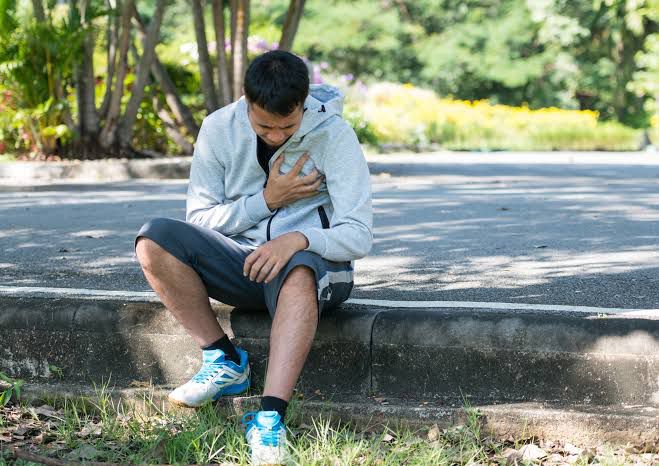
It has long been believed by some that the Covid-19 vaccine is the reason for sudden, unexplained deaths among youngsters.
Winter has set in and the temperature is dipping in several states. Cardiologists, meanwhile, are a worried lot.
They have urged people to be wary of season-specific heart attacks. Several studies have shown an increase in heart attacks during the winter.
On Tuesday, 22 November, a Mangaluru-based cardiologist took to Twitter to warn people against the possibility of winter heart attacks, especially early in the mornings.
South First spoke to a few cardiologists to know more about winter heart attacks, and how to avoid and stay healthy.
After handling two back-to-back cases of heart attacks, interventional cardiologist Dr Padmnabha Kamath, Professor and Head of Cardiology at KMC Hospital in Manglauru, Karnataka tweeted:
Winter has set in!. So is clustering of early morning heart attacks. Just reached hospital for back to back two MIs. Primary angioplasty is a life saver without any shadow of doubt. #MedTwitter #CardioTwitter #heartattack #wintertime #radialfirst
— Dr P Kamath (@cardio73) November 21, 2022
Agreeing with the Mangaluru doctor, Dr Deepak Krishnamurthy, Senior Interventional Cardiologist, at Sakra World Hospitals, Bengaluru, said the blood pressure normally goes up in winter, increasing the possibility of blood clots.
“The reason is the metabolic demand goes up resulting in increased heart rate, blood pressure and clotting of the blood,” he explained.
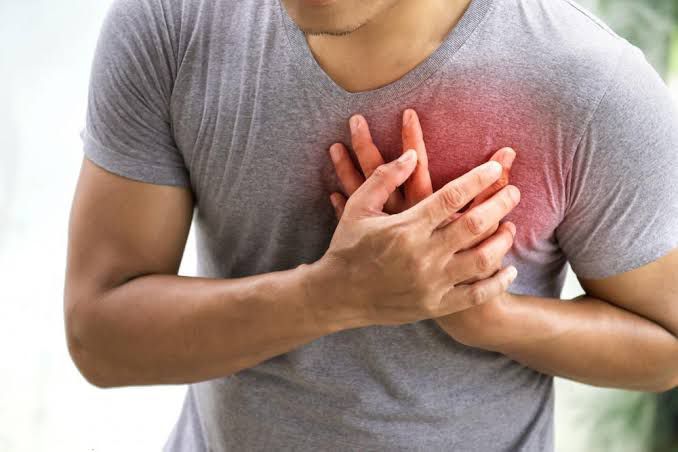
Most people are unaware that they are more susceptible to heart attacks if they take early morning walks or cold showers. (Representational image/Creative Commons)
Elaborating, Dr Krishnamurthy said vasoconstriction (constriction of blood vessels) is normally linked to winter. “Due to the cold weather, the arteries tend to shrink, which in turn increases the blood pressure, adding more stress on the heart,” he said.
Influenza and other pneumococcal infections, too, stress the heart. “This is more in cases that have already been diagnosed with such underlying conditions and it becomes important for them to get flu vaccine before the onset of the winter,” he added.
Doctors explained that a mismatch between the supply and demand of oxygen-rich blood to one’s heart during the cold season places more load on the heart. Heart attacks occur when the demand for oxygen-rich blood is high and the supply is low in winter.
Several studies, including the one by JAMA Cardiology published in 2018, found a definite seasonal trend in cardiovascular diseases. The study found that several countries reported the highest instances of heart attacks during the cold winter months.
“This phenomenon contributes to the numbers of deaths occurring in winter,” the study noted.
Cardiologists in Karnataka said instances of winter heart attacks are not high in the southern states unlike in the north, where the mercury often dips to single digits. But that doesn’t make south India safer.
“Winter heart attacks are reported from the southern states, and there is an increase also. But it is not as prevalent as in the northern parts of India. Complications in already diagnosed patients are on the rise and there is a spike in first-time heart attacks,” Dr Krishnamurthy added.
Dr CN Manjunath, director of the Jayadeva Institute of Cardiovascular Diseases in Bengaluru, said, “there may be a marginal increase. Sudden variation in temperatures could lead to such cases but an increase is not much noted in the southern states.”
Doctors said that winter heart attacks could occur to anyone but those with existing heart conditions are more prone to it. Such people should pay attention to any symptoms and take immediate precautions.
According to experts from Harvard Medical School, winter heart attacks can be minimised by avoiding overexertion and conditioning oneself for cold temperatures.
Getting influenza vaccines will reduce flu episodes, Dr Krishnamurthy said. “Influenza can increase the risk of heart attacks. People should get vaccinated,” he cautioned.
He added that people diagnosed with cardiac ailments should keep their blood sugar, hypertension and other vital parameters under control. They should take serious note of changes in any of these conditions.
Most people are unaware that early morning walks and cold-water baths should be avoided during the winter.
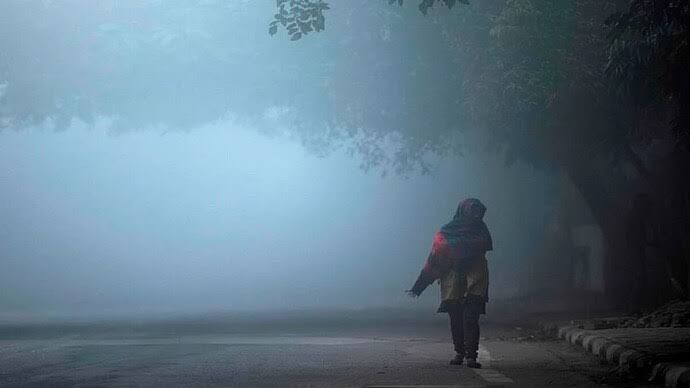
Cardiologists say people should wear warm clothes, and use mufflers and earmuffs. (Representational image/Wikimedia Commons)
“Those in the habit of taking morning walks should delay it a bit. They can go later in the morning or in the evening,” Dr Krishnamurthy added.
Meanwhile, Dr Manjunath said people should keep themselves warm, wear mufflers, and cover their ears during their morning and evening walks.
1. Avoid early morning walks. Delay it.
2. Ears should be covered during morning/evening walks.
3. Eat freshly cooked, warm and healthy food.
4. Keep blood pressure and diabetes under control.
5. Get vaccinated for influenza.
6. Avoid cold-water baths.
7. Follow a proper exercise regime and keep weight under control.
8. Avoid smoking.
9. Do not eat junk and fatty foods.
10. Visit your cardiologist in case of heart attack symptoms.
(This article was originally published in South First on 23 November, 2022.)


