

Published Jun 03, 2026 | 7:00 AM ⚊ Updated Jun 03, 2026 | 7:00 AM

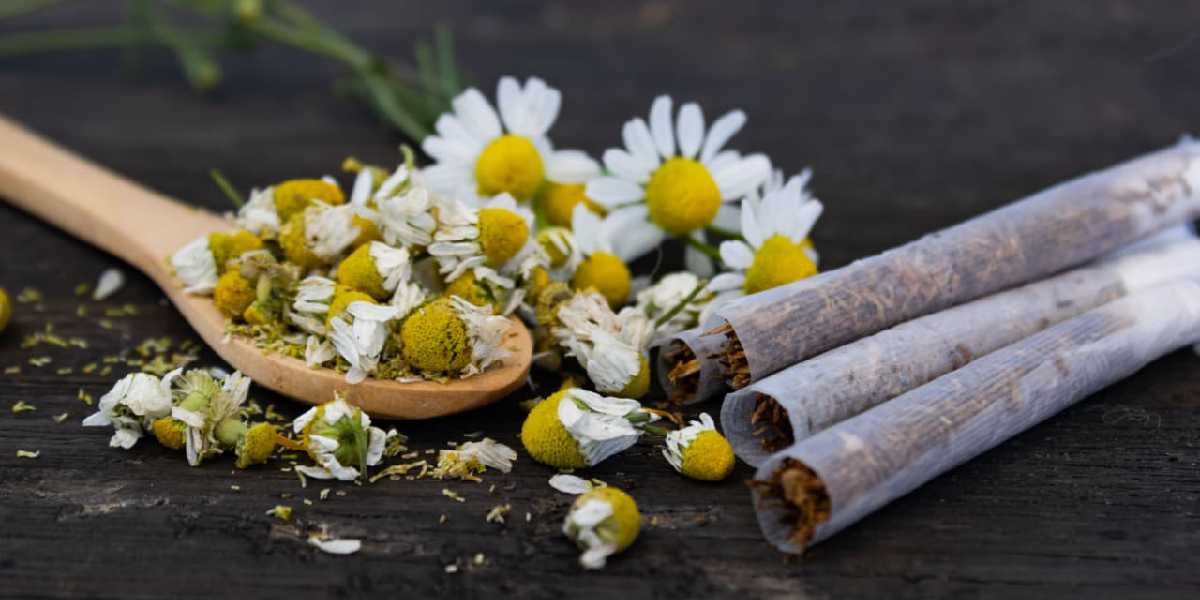
Herbal cigarettes. Representative Image.

Synopsis: Herbal cigarettes marketed as natural and safer alternatives may be no less harmful than tobacco cigarettes, according to a new IIT Gandhinagar-led study. Researchers found higher levels of fine particles and oxidative stress in herbal cigarette smoke, warning that tobacco-free products can create misleading perceptions of safety, especially among young users.
“Buy XYZ cigarettes, completely safe, no tobacco, fight your addiction now!” A herbal cigarette company advertises on an online platform.
But is it truly safe?
Herbal cigarettes are often viewed as alternatives to “more harmful” nicotine variants. A herbal cigarette — also called a tobacco-free cigarette or nicotine-free cigarette — typically does not contain any tobacco or nicotine. It is usually composed of a mixture of various herbs and plant materials such as basil, clove and green tea.
They are advertised as having therapeutic effects such as relieving headaches, reducing anxiety and even helping chain-smokers curtail their addiction to tobacco cigarettes when they make the switch.
However, a recent study published in the Journal of Hazardous Materials, titled The lure of ‘Healthier Smoke’: Comparative physical, chemical, and oxidative potential characterisation of emissions from herbal and tobacco cigarettes, co-authored by Alok Kumar Thakur and Sameer Patel from IIT Gandhinagar (IITGN) and PS Ganesh Subramanian and Vishal Verma from the University of Illinois, Urbana-Champaign, US, found that the claims are misleading.
While the term herbal might sound safe, herbal cigarettes are up for debate.
Also Read: What do cigarettes and a packet of chips have in common?
Elaborating on the key findings, Professor Sameer Patel, Assistant Professor, Department of Civil Engineering and Chemical Engineering, IITGN, and co-coordinator of the Dr Kiran C Patel Centre for Sustainable Development, IITGN, said, “Our findings challenge the widely held belief that tobacco-free means risk-free. Emissions from herbal cigarettes are comparable to or exceed those from tobacco cigarettes on nearly every metric we measured. Leaf-wrapped herbal variants turned out to be the most hazardous of all the samples tested.”
A key finding was that sub-500-nanometer particles were emitted at approximately 20 percent higher concentrations in herbal smoke than in tobacco smoke. These fine particles can penetrate deep into the lungs and enter the bloodstream, increasing the risk of severe oxidative stress, DNA damage and chronic respiratory and cardiovascular diseases.
The team also measured a property called ‘Oxidative Potential’ (OP), which quantifies the smoke’s capacity to generate reactive oxygen species, aggressive molecules that drive inflammation, lung tissue remodelling, and the vascular changes underlying heart disease. What they found was that particulate matter from herbal cigarettes recorded significantly higher oxidative potential (24±6) than that from tobacco cigarettes (18±5).
Tendu-leaf-wrapped variants, in particular, showed OP roughly 49 percent higher than paper-wrapped versions. Chemical analysis also revealed that a herbal cigarette claiming to be filled with basil happened to have the highest lead concentration. Ironically, it was being marketed as “chemical-free with 100 percent natural filler for a healthy lifestyle.”
Professor Vishal Verma, research collaborator and an Associate Professor of Environmental Engineering in the Department of Civil and Environmental Engineering, University of Illinois Urbana-Champaign, US, added, “That finding is important because many consumers associate nicotine-free products with reduced harm.”
The team acknowledged the limitations of the study, such as not being able to measure how combustion-related factors affect differences in emissions across cigarette varieties and how variations in wrapper material, such as paper and tendu, and filler composition affect the burn rate, among other limitations.
The study also stated that the combustion parameters were not directly measured, and the interpretations remain qualitative. It added that the results act as indicators of potential toxicity rather than direct evidence of health risk. The team said that one must consider these limitations before interpreting their findings for themselves.
Another limitation of the study is that it does not replicate real-world smoking behaviour, consisting of different puffing patterns. This shows that absolute emission values may vary under realistic usage conditions.
The study stated that despite the limitations, it provides valuable insights into emissions from an emerging and largely unregulated class of smoking products.
While India’s Cigarettes and Other Tobacco Products Act, 2003 (COTPA) regulates tobacco products through warning labels, advertising restrictions, and public-smoking rules, herbal cigarettes, marketed as tobacco-free, often bypass these regulations as they manage to evade the framework, highlighting the “regulatory gap” surrounding herbal cigarettes.
According to lead author Dr Alok Kumar Thakur, several herbal cigarettes that they tested were marketed with claims of relieving cough, improving sleep, or easing anxiety. “However, there is limited scientific evidence evaluating the emissions and toxicological impacts of these products,” he added.
“These claims could be harmful for the younger generation if they view herbal cigarettes as a substitute for their addiction to tobacco cigarettes, or if they are attracted to them in the hopes that they can experience the thrill of smoking, while potentially using a product that is “completely safe and risk-free,” Thakur said.
The easy online access, aesthetics and wide range of flavours, along with marketing that sells herbal cigarettes as natural and safer, are likely to lure the younger generation.
While herbal cigarette sales soar, those who are caught in its clutches either enter a new cycle of behavioural addiction with the so-called safe product or relapse into using tobacco cigarettes.
Also Read: Hookah session more harmful than cigarettes: Karnataka HC
While herbal cigarettes often pull younger consumers and first-time smokers wearing the guise of a risk-free and healthy product, burning the material contained in them often produces harmful toxins like tar and carbon monoxide and exposes smokers to carcinogens.
Certain herbal ingredients, when burnt, could also increase the risk of serious chronic conditions such as stroke and heart disease.
The only truly safe alternative to smoking is not herbal cigarettes or bidis, but to quit the habit entirely.
Meanwhile, doctors said some proven ways to quit smoking include:
1) Nicotine replacement therapy (NRT): This is the most commonly used family of quit-smoking medications. NRT aims to reduce the pull of withdrawal by giving the person a small and controlled amount of nicotine, not the dangerous amounts of chemicals contained in cigarettes. The small amount of nicotine satisfies cravings and also reduces the urge to smoke.
2) Behavioural support: Seeking out a counsellor or trying out Cognitive Behavioural Therapy (CBT), which is an evidence-based psychological treatment, could help people quit smoking by helping them identify triggers, reframe their maladaptive and obsessive thoughts, and build practical coping skills, such as deep-breathing practices or physical activity.
3) Considering the benefits of quitting smoking: Once a person quits smoking, their body starts repairing all the damage done to it, their sense of taste and smell improves, and so does their mental health. Secondhand and thirdhand smoke harm not only the smoker, but also their family. Once the cigarette is left behind, not only does the smoker regain their lost health and peace of mind, but so do the people around them.
While herbal cigarettes continue to market themselves as a safe alternative to tobacco cigarettes, they tend to do more harm than good. As Jodie Bernstein, director of the United States Federal Trade Commission’s Bureau of Consumer Protection, said, “There’s no such thing as safe smoke.”
(Edited by Muhammed Fazil.)



