

Published Dec 09, 2025 | 7:00 AM ⚊ Updated Dec 09, 2025 | 7:03 AM

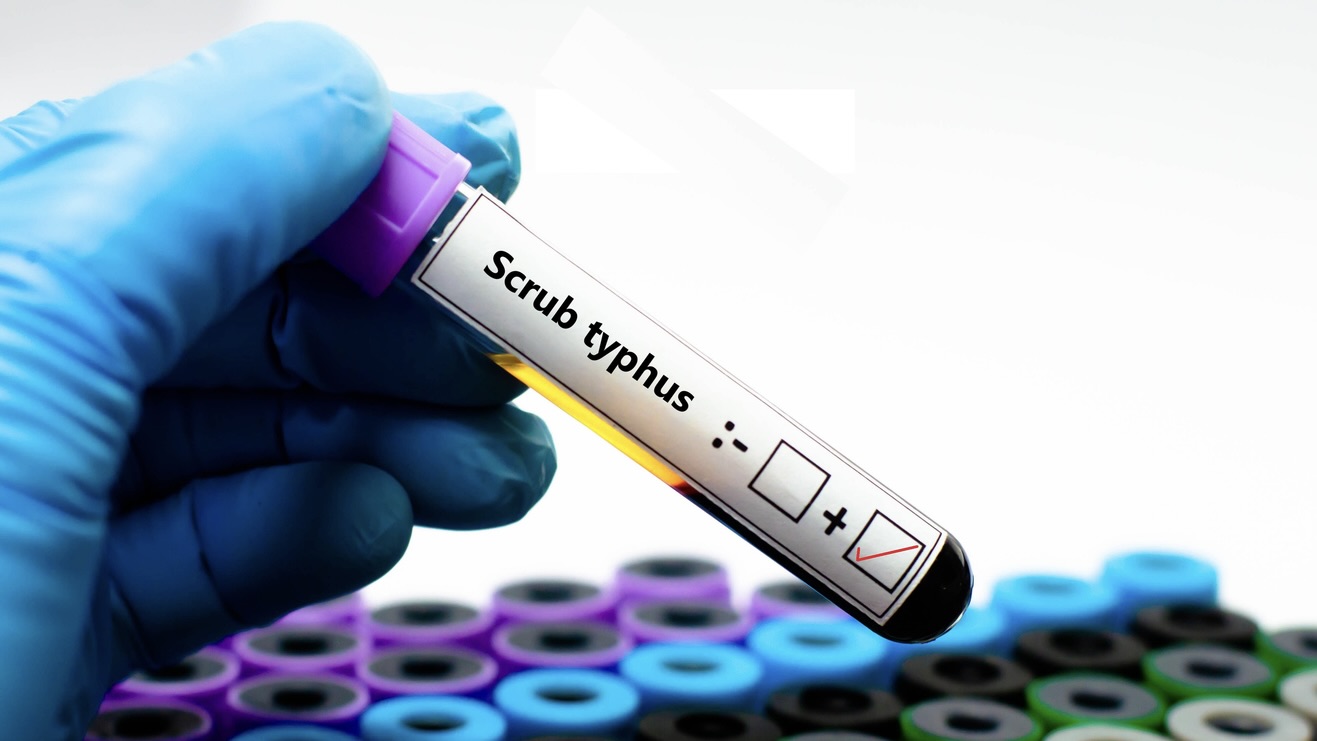
Scrub typhus returns to Andhra Pradesh every monsoon. Rain saturates fields and vegetation, creating conditions in which chigger mites thrive.
Synopsis: Andhra Pradesh reported 1,566 scrub typhus cases and nine suspected deaths in 2025, though officials say the numbers follow expected seasonal patterns and do not indicate an outbreak. The state has expanded testing, strengthened surveillance, and stocked antibiotics to ensure faster diagnosis and treatment, with improved detection credited for the rise in reported cases.
Andhra Pradesh has reported 1,566 scrub typhus cases and nine suspected deaths this year, according to data from the Integrated Health Information Platform, Integrated Disease Surveillance Programme (IDSP-IHIP) on 8 December.
Officials said the numbers are in line with seasonal patterns seen in previous years and dismissed concerns about an outbreak.
The state recorded 1,613 cases in 2024. Karnataka has reported 1,870 cases this year compared with 1,689 last year. Tamil Nadu has reported 7,308 cases, up from 6,925 in 2024. Telangana has reported 309 cases, up from 187 the previous year.
“As on date, the state has reported 1,566 cases and 9 suspected deaths,” the Health Department said in a statement.
“The reporting of deaths is more comprehensive this year due to expanded laboratory diagnostic capacity, improved surveillance systems, and strengthened reporting protocols, which together ensure faster and more consistent confirmation of cases across districts.”
The increase in reported deaths reflects better detection rather than a worsening of the disease, according to officials. Hospitals now use structured reporting formats and diagnostic tools that capture conditions previously missed or misattributed.
Scrub typhus returns to Andhra Pradesh every monsoon. Rain saturates fields and vegetation, creating conditions in which chigger mites thrive. These mites, smaller than pinheads, carry the Orientia tsutsugamushi bacteria. When they bite humans, the infection transfers.
The disease causes a sudden fever, persistent headaches, muscle pain, and fatigue. A black scab-like lesion, called an eschar, forms at the bite site in many cases and serves as a diagnostic clue. But this mark does not appear in many patients, complicating diagnosis.
“With the introduction of advanced diagnostic tools and structured reporting formats, findings such as eschar and other differential diagnoses including conditions like Leptospirosis, Malaria, Dengue, Japanese Encephalitis, and other co-existing illnesses are now being captured more systematically than before, leading to better clinical interpretation and documentation,” the Health Department stated.
The state has deployed 24 laboratories to test for scrub typhus. VRDL laboratories operate in Government General Hospitals and tertiary institutions across districts. The system now holds 1,562 ELISA test kits and 1,662 rapid test kits. Patients can submit samples at any health facility in the state.
Doctors conduct genome sequencing on samples to track disease trends and identify circulating strains. This helps authorities understand whether new variants are emerging or existing strains are mutating.
The diagnostic network maps hotspots based on three years of district data. Officials identify villages with high case burdens and increase surveillance in these areas. Early diagnosis in targeted locations reduces severe complications and deaths.
Health centres across Andhra Pradesh have stocked 91,63,572 azithromycin tablets and 81,97,125 doxycycline tablets. These antibiotics kill the bacteria when administered early in the infection. Primary Health Centres hold supplies ready for immediate distribution when patients arrive with symptoms.
Rapid Response Teams operate in each district. These teams include surveillance officers, epidemiologists, and specialists from general medicine, community medicine, and microbiology. They investigate cases, trace contacts, and identify transmission patterns.
District Medical and Health Officers, District Community Health Society heads, Government Medical College principals, and Government General Hospital superintendents meet weekly.
They coordinate with heads of general medicine, paediatrics, community medicine, and microbiology departments to review cases and adjust strategies.
The Health Department has trained doctors to search for eschars during fever examinations. Government and private specialists, along with Primary Health Centre doctors, now follow checklists for fever admissions. These protocols promote early diagnosis and prompt treatment.
Medical officers attend virtual meetings led by experts from the Directorate of Medical Education. The training extends to ASHA workers who conduct surveillance among risk groups. Farmers, people living near vegetation and bushes, and residents along riverbanks face higher exposure to chigger mites.
Health staff at the village level now recognise symptoms and refer suspected cases immediately. This ground-level awareness has shortened the time between symptom onset and antibiotic administration.
The Health Department urges communities to avoid overgrown vegetation where mites congregate. People working outdoors should wear protective clothing that covers the skin. Long sleeves, full trousers, and boots reduce opportunities for bites.
Anyone with a persistent fever should seek medical care immediately. The presence of a black lesion alongside fever signals possible scrub typhus, though the eschar appears in only some cases.
Village functionaries now participate in awareness campaigns. They explain how chigger mites breed in soil and vegetation, how they bite at night, and how simple precautions can block transmission. Community participation strengthens prevention efforts.
The department has formed an advisory group to provide expert guidance and implement strategies. This group reviews data, assesses the effectiveness of interventions, and recommends adjustments to the action plan.
The IDSP-IHIP portal receives prompt reports of scrub typhus cases through L forms. Officials analyse district data on case incidence and mortality for scrub typhus and related conditions including leptospirosis, dengue, malaria, and Japanese encephalitis. Three years of comparison data reveal whether current patterns deviate from established trends.
The analysis shows no abnormal increase this year. Case numbers remain consistent with previous seasonal patterns. The disease arrives during monsoons, peaks in certain districts, and subsides as the weather changes.
“The Department of Health and Family Welfare assures that the situation is under control, all required measures have been initiated, and continuous monitoring is underway,” the Health Department stated.
The state continues to maintain its surveillance network, stock treatment supplies, train health workers, and educate communities. Chigger mites continue their seasonal cycles, but the system now detects cases earlier, treats patients faster, and prevents more deaths than in previous years.


