

Published Jun 07, 2026 | 7:00 AM ⚊ Updated Jun 07, 2026 | 7:00 AM

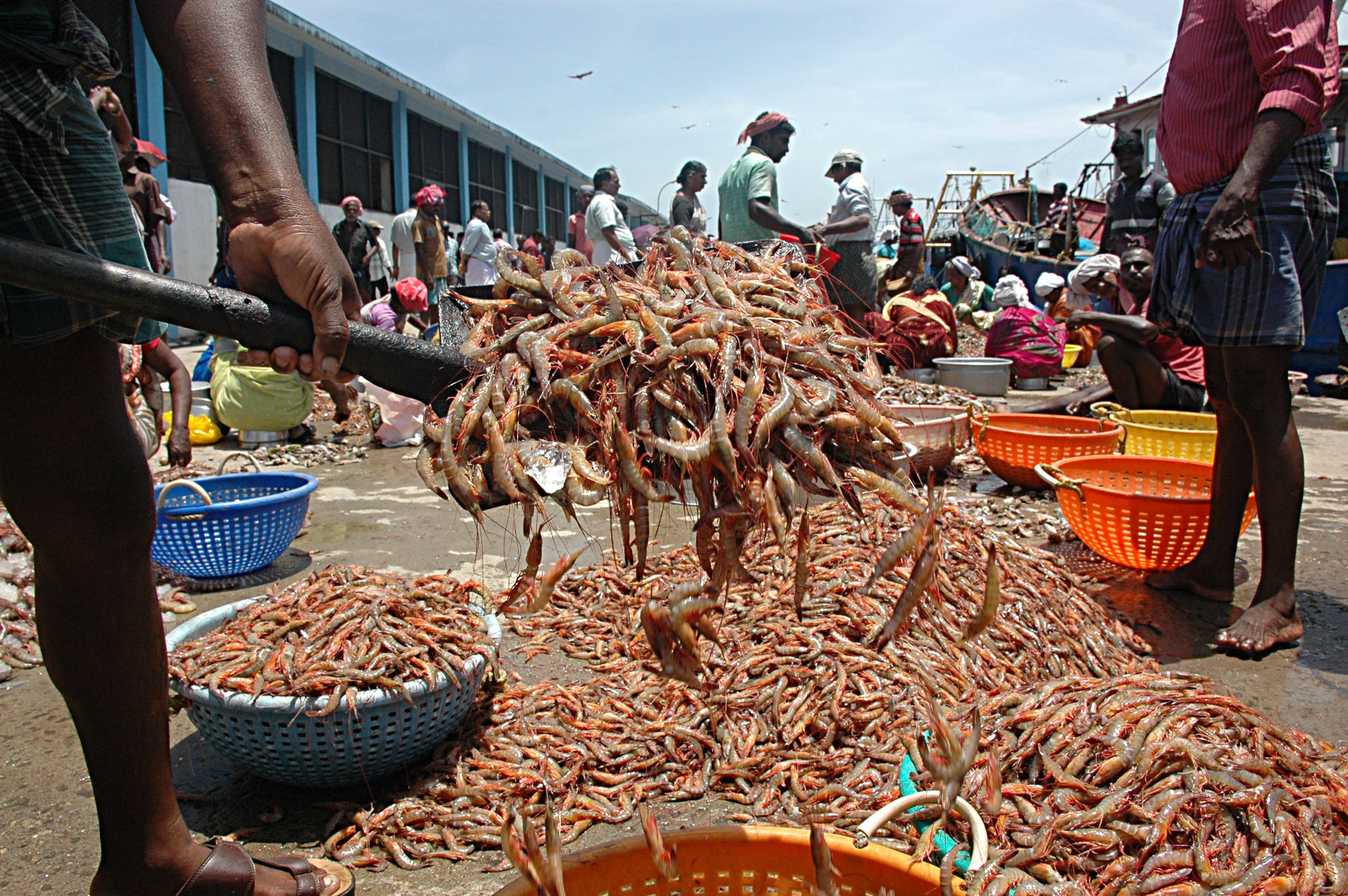
Representational image.

Synopsis: India banned chloramphenicol and nitrofurans in aquaculture in 2025, but residue-contaminated shrimp exports continue to trigger international rejections. After MPEDA traced 74% of implicated farms to Andhra Pradesh, the DCGI has sought enforcement reports from states, raising questions about compliance, inspections, and India’s seafood export credibility.
India banned two antibiotics, chloramphenicol and nitrofurans, from all food-producing animal rearing systems in March 2025. Yet by early 2026, Indian shrimp exporters were still shipping consignments containing residues of the banned drugs to key international markets, prompting the country’s top drug regulator to seek answers from states.
On 3 June 2026, Drugs Controller General of India (DCGI) Dr Rajeev Singh Raghuvanshi wrote to all state and Union Territory drug controllers, seeking details on how the ban was being enforced.
The trigger was a January 2026 communication from the Marine Products Export Development Authority (MPEDA), which traced antibiotic residues in export consignments to more than 40 farms across four states. Andhra Pradesh accounted for 74 percent of the implicated farms, followed by Odisha (13 percent), West Bengal (8.7 percent) and Gujarat (4.3 percent).
“Despite notification S.O. 1158 dated 12 March 2025 banning chloramphenicol and nitrofurans and their formulations, residues continue to be detected in shrimp export consignments, leading to 43 percent rejections in 2025 by the EU, USA, and Japan,” Raghuvanshi wrote.
Also Read: US tariff hike triggers crisis in Tamil Nadu’s seafood and leather exports
The March 2025 notification was the culmination of a process that began nearly two years earlier. MPEDA first flagged the issue to the Department of Animal Husbandry and Dairying in May 2023. The proposal was subsequently examined by the Empowered Committee on Animal Health, which recommended a complete ban. The Drugs Consultative Committee ratified the decision in January 2024, paving the way for the Ministry of Health and Family Welfare to issue notification S.O. 1158(E) in March 2025.
Chloramphenicol is used to treat bacterial infections in shrimp ponds by inhibiting bacterial protein synthesis. However, human exposure through food has been linked to serious adverse effects, including bone marrow suppression and diarrhoea. Nitrofurans, another class of antibacterial drugs, leave metabolite residues in animal tissue that can persist long after treatment and are routinely screened for by importing countries.
The Food Safety and Standards Authority of India (FSsSAI) had already prohibited both drugs in seafood processing in 2018. The 2025 notification extended the prohibition to the production stage itself.
The persistence of contamination became evident in early 2026.
According to an analysis of US Food and Drug Administration (FDA) data by the Southern Shrimp Alliance, five of the seven antibiotic-related shrimp import refusals recorded in March 2026 involved shipments from India. Residues of amoxicillin, chloramphenicol and nitrofurans were detected in consignments linked to three Indian companies.
The FDA recorded 90 seafood entry-line refusals during March 2026 alone. Notably, 85.7 percent of all antibiotic-related shrimp refusals during the first quarter of 2026 originated from facilities carrying Best Aquaculture Practices (BAP) certification, a programme widely promoted as a benchmark for responsible and safe aquaculture.
Across 2025, FDA recorded 93 shrimp refusals linked to veterinary drug residues, the sixth-highest annual total in the past 24 years.
Frozen shrimp remains the backbone of India’s seafood export sector. During 2025-26, frozen shrimp exports generated ₹49,037.93 crore ($5.62 billion), accounting for 40.19 percent of total seafood export volume and 66.52 percent of export earnings in dollar terms.
India exported 7,92,647 metric tonnes of frozen shrimp during the year. The United States was the largest market, importing 2,56,128 metric tonnes, followed by China with 1,69,505 metric tonnes and the European Union with 1,35,599 metric tonnes.
When consignments are rejected in these markets, the impact extends beyond exporters to processors, farmers and the broader aquaculture value chain.
Raghuvanshi’s 3 June letter sought specific information from state drug regulators. He asked them to detail the mechanism adopted to implement the March 2025 ban, the number of inspections carried out at veterinary medical shops, and the punitive action taken against violators.
He also directed authorities to ensure that chloramphenicol and nitrofurans are sold only to licensed manufacturers through authorised premises, with proper reconciliation records maintained.
“In view of the above, you are requested to provide the information as sought by MPEDA in a time bound manner for further necessary action in the matter,” he wrote.
With Andhra Pradesh, Odisha, West Bengal and Gujarat all linked to residue-positive consignments, the Centre’s scrutiny now extends across India’s major shrimp-producing regions.
The responses submitted by states could determine whether the ban is effectively enforced on the ground or remains largely confined to paper.
(Edited by Amit Vasudev)



