

Published Apr 10, 2026 | 7:02 AM ⚊ Updated Apr 10, 2026 | 7:02 AM

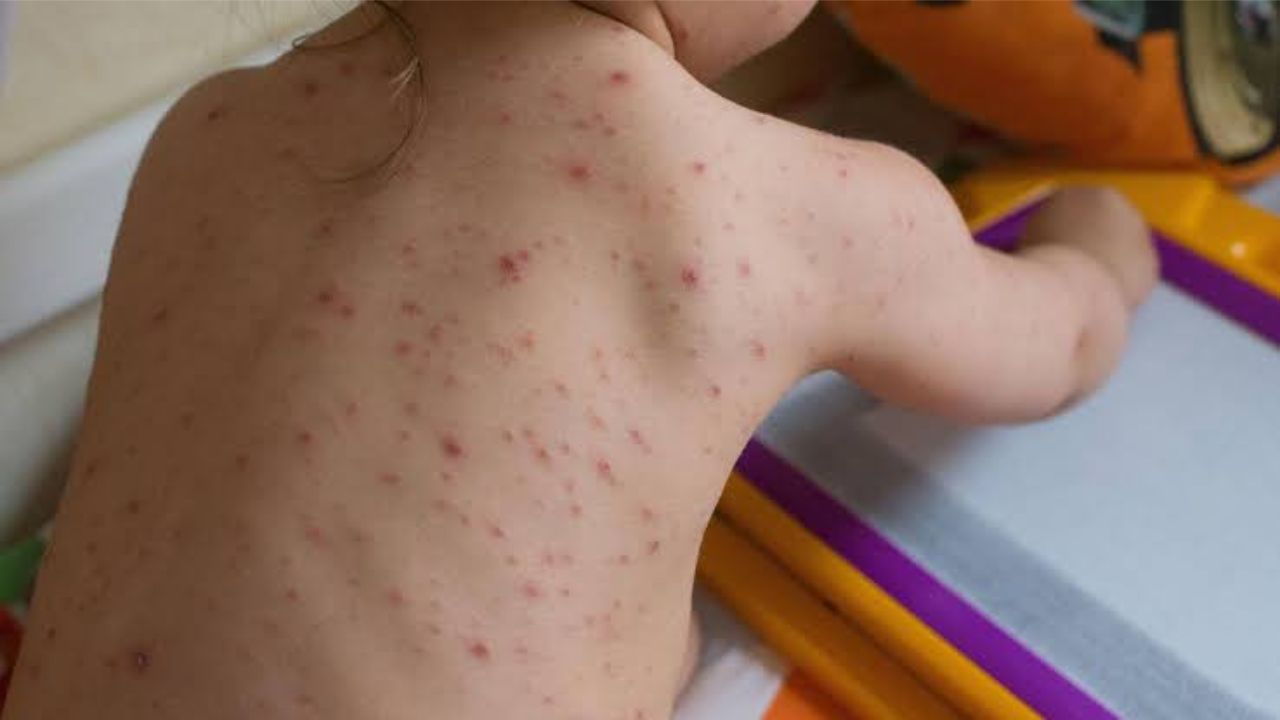
Chickenpox. Representative Image.
Synopsis: A seasonal rise in chickenpox cases has been reported across Tamil Nadu, with Chennai accounting for the highest share. Doctors link the early spike to rising temperatures, humidity, and increased indoor contact during summer, and warn that cases may climb further in the coming weeks.
According to doctors in Chennai, there has been a rise in the number of chickenpox cases in the city. It often starts like any other summer illness — a mild fever, a tired child, a rash that doesn’t quite make sense.
The city recorded 476 cases between January and March 2026, the highest in Tamil Nadu, according to data from the Directorate of Public Health and Preventive Medicine.
Statewide, cases have risen to 1,320 during the same period, compared to around 1,000 cases last year, signalling an earlier and sharper seasonal surge. With temperatures climbing steadily, doctors warn the numbers could rise further in the coming weeks.
While chickenpox is known to be a seasonal illness, typically peaking during warmer months, this year’s spike suggests that environmental conditions may be accelerating transmission.
After Chennai, districts like Madurai and Tirupathur have reported significantly fewer cases, with 96 and 50, respectively. This sharp contrast highlights how densely populated urban centres remain more vulnerable to rapid spread.
Outpatient departments in private hospitals have reported a steady rise in patients with fever and rash over the past month, compared to the relatively quieter winter period.
“Last year, summer rainfall kept the numbers relatively lower, but this year we are already seeing higher temperatures, which could be driving the increase,” said Dr M Senthil Kumar, Joint Director of Public Health and Preventive Medicine (Communicable Disease).
The combination of rising heat, urban crowding, and increased indoor exposure appears to be creating the perfect conditions for the virus to circulate more aggressively than usual.
According to physicians, multiple factors are converging to drive this spike.“When humidity is high, the virus can survive longer on surfaces. At the same time, rising temperatures tend to lower natural immunity, making people more susceptible,” Dr R Sundararaman, Senior Consultant in Internal Medicine, told South First.
He also pointed to behavioural patterns during summer — particularly among children.
“Schools are closing for the holidays, so there will be less overcrowding among children — that is the only good sign,” he said.
However, doctors also point out that summer vacations can lead to more informal close contact among children, which may still contribute to the spread of the infection, noting that the virus can spread through both respiratory droplets and direct contact with infected skin lesions.
With peak summer still to arrive in Chennai, doctors said the current rise in cases is a concern. Clinics are already seeing more patients, and the numbers could climb further as temperatures continue to rise.
For paediatricians, the trend is especially significant because chickenpox primarily affects children. Dr Harish K, Consultant in Paediatrics and Neonatology at SRM Prime Hospital, said cases are likely to increase further over the next one to two months.
“Chickenpox usually follows a predictable pattern — fever for a couple of days, followed by a rash that starts on the face, chest, or back and appears in clusters,” he explained to South First.
He added that while most cases are mild and manageable at home, parents should watch closely for warning signs.
“If a child becomes unusually irritable, develops a severe headache, or shows imbalance while walking, it could indicate complications and needs immediate medical attention,” he said.
In most cases, however, children who remain active, hydrated, and alert can recover without hospitalisation. Doctors emphasise that not every case requires antiviral medication, especially if symptoms are mild.
He added that hydration, rest, and basic skin care remain the cornerstone of treatment, while vaccination remains the most effective preventive measure.
Dos
Don’ts
(Edited by Muhammed Fazil.)


