
Published Jan 09, 2026 | 4:38 PM ⚊ Updated Jan 24, 2026 | 8:46 PM

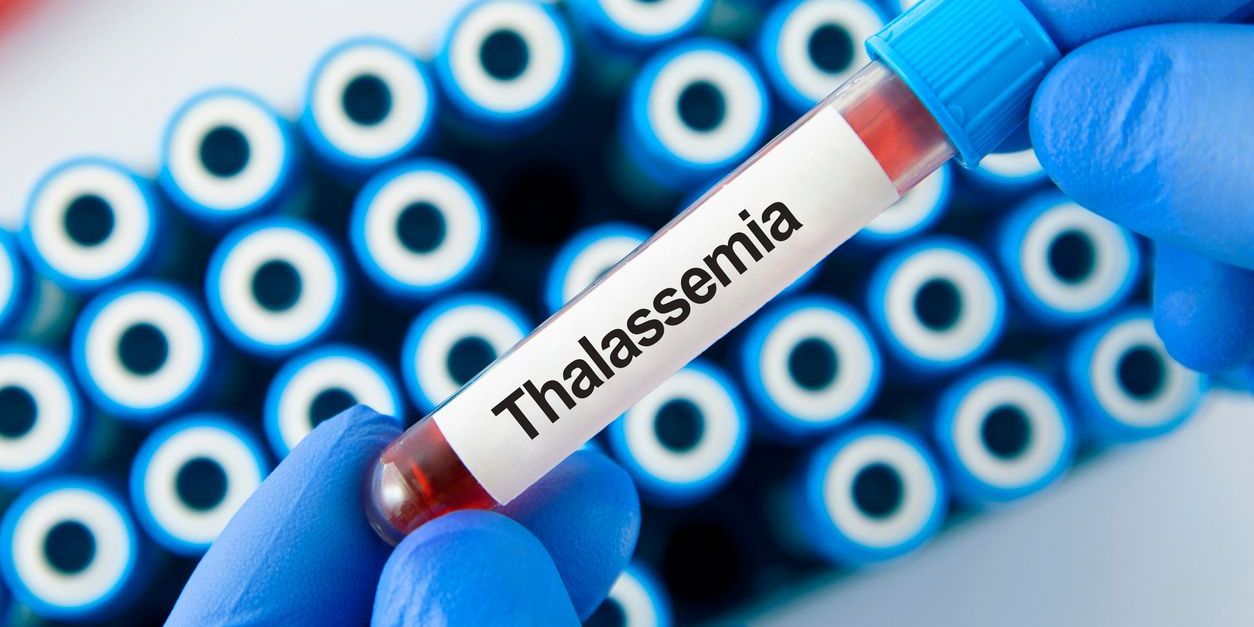
Thalassemia. (iStock)
Synopsis: The USFDA recently approved a pill to treat anaemia in adults with alpha and beta thalassemia. However, its cost, estimated at around $425,000 per patient per year in the US, puts it far beyond the reach of most Indian families and public health systems.
On 6 January 2026, the US Food and Drug Administration approved Aqvesme (mitapivat), the first pill to treat anaemia in adults with alpha and beta thalassemia. This marks a historic moment in thalassemia care. For the first time, treatment has moved beyond blood transfusions and iron-removing medicines to an oral drug that helps red blood cells work better.
While this is a major global scientific achievement, India must look at it thoughtfully rather than celebrate without planning.
Thalassemia is a genetic blood disorder in which the body cannot make healthy haemoglobin. This leads to long-term anaemia, tiredness, breathlessness, and in severe cases, lifelong dependence on blood transfusions.
For decades, treatment has focused on replacing blood through transfusions and managing iron overload caused by repeated transfusions. Though lifesaving, this approach often brings serious challenges organ damage, frequent hospital visits, missed schooling or work, and emotional and financial stress for families.
Mitapivat works in a new way. It helps red blood cells produce and use energy more efficiently, making them stronger and allowing them to survive longer instead of breaking down early.
Because of this, patients can have higher haemoglobin levels, feel less tired, and may need fewer blood transfusions. This benefit is especially important for people with milder forms of thalassemia, who have long lived with daily symptoms but limited treatment options.
While the drug does not cure thalassemia, it improves how the body functions and can meaningfully improve quality of life. There is something powerful about a medicine that can be taken at home, without repeated hospital admissions.
However, medical science does not work in isolation, and this is where the Indian context matters.
India carries one of the largest thalassemia burdens in the world. Thousands of children are born with thalassemia major each year, and millions live with carrier or intermediate forms. Access to safe blood, regular transfusions, and iron chelation therapy remains uneven, especially in rural and tribal areas.
Many adolescents drop out of care, adults struggle to keep steady jobs, and women face added health and social challenges.
In this situation, a pill that reduces the need for transfusions sounds ideal. But there is a serious concern. The expected cost of mitapivat, estimated at around $425,000 per patient per year in the US, puts it far beyond the reach of most Indian families and public health systems.
Even today, many government programmes struggle to provide basic chelation medicines consistently. Introducing a very expensive drug without a clear plan for affordability and access risks increasing inequality rather than reducing suffering.
“For the first time, thalassemia treatment has moved from the transfusion chair to the medicine cabinet. But innovation without access risks becoming symbolic rather than transformative.”
This approval should therefore be seen not only as a medical breakthrough, but as a policy signal. India must engage early on fair pricing, voluntary licensing, future generic production, and local research. Indian patients live in different social and health conditions, and local studies are needed to understand who will benefit most and how the drug should be used wisely.
Most importantly, new treatments must not weaken India’s strongest defence against thalassemia: Carrier screening, premarital and antenatal counselling, and prenatal diagnosis. No pill can replace prevention.
The FDA’s approval of the first thalassemia pill is a new dawn. Whether that dawn reaches Indian patients depends not just on science, but on wise, equitable policy decisions made today.
(Views are personal.)


