Published Aug 12, 2023 | 9:00 AM ⚊ Updated Aug 12, 2023 | 12:11 PM
A cloud-covered Madiwala lake, Bengaluru, on 27 July 2023. As the July rains receded and the Sun started to peep out from the clouds, the lake saw many eager visitors. (Aaradhya Kiran)
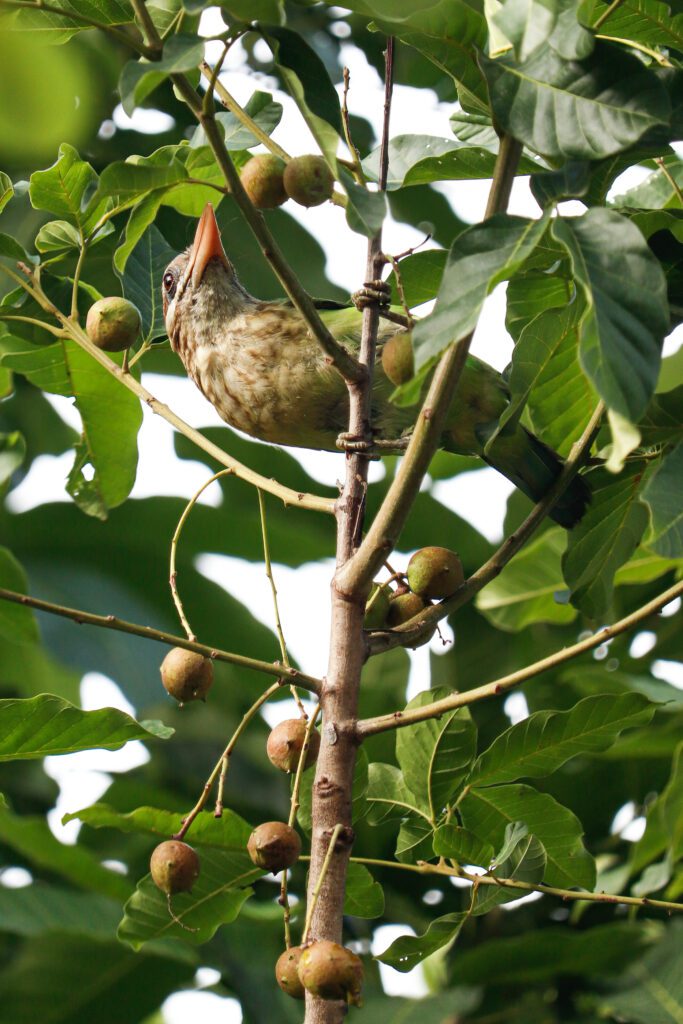
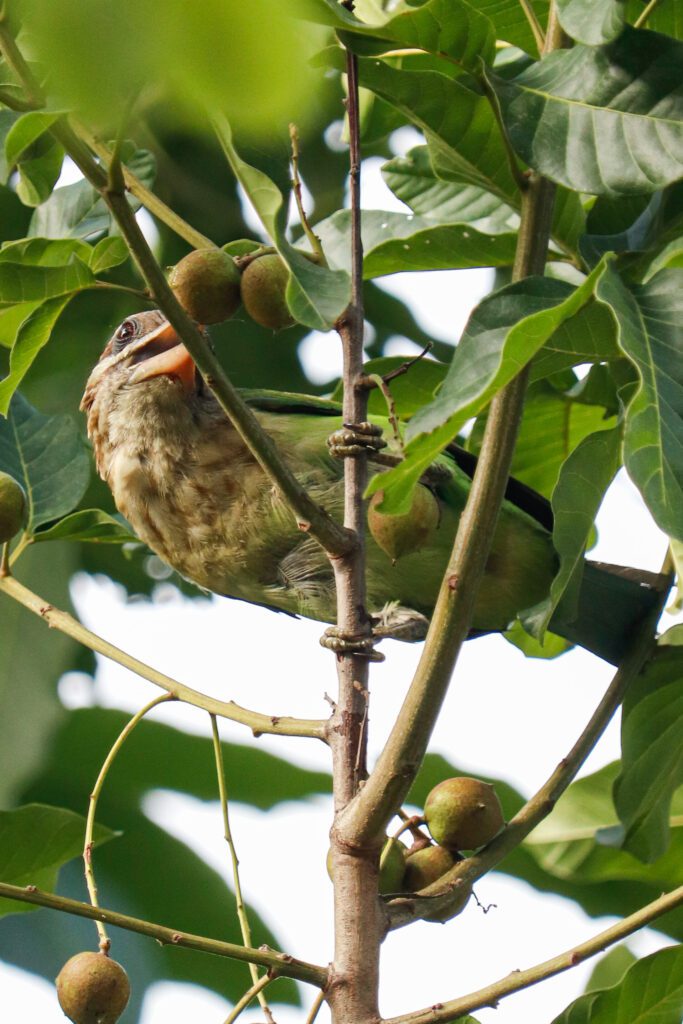
With the rains taking a break in Bengaluru, birds have been welcoming visitors to Bengaluru’s Madiwala lake. You can sight a white-throated kingfisher gliding through the canopies to find a spot for lunch. Do a quick scan and you can spot a white-cheeked barbet relishing a juicy fruit snack.
An evening at the Madiwala lake (or BTM lake) can gift bird enthusiasts with many fascinating scenes.
Madiwala lake is located between NH7 Hosur Road and Bannerghatta Main Road. As a matter of fact, during winter, birds including herons, ducks, pelicans, cormorants, storks, egrets, ibis, and other amphibians or semi-amphibians, visit the lake. But the sighting during the monsoon is a story worth telling in pictures.
If you are a bird enthusiast, pay a meagre ₹10 as an entrance fee. The cost is ₹5 for children and ₹100 if you have a camera. Walk along the shore adjacent to Tank Shore Road.
Walk fervently, ignoring the noises of the renovation work inside the park or the revving bikes on the streets. Keep an eye on the branches for any movement, while your ears stay alert to the calls of our winged friends.
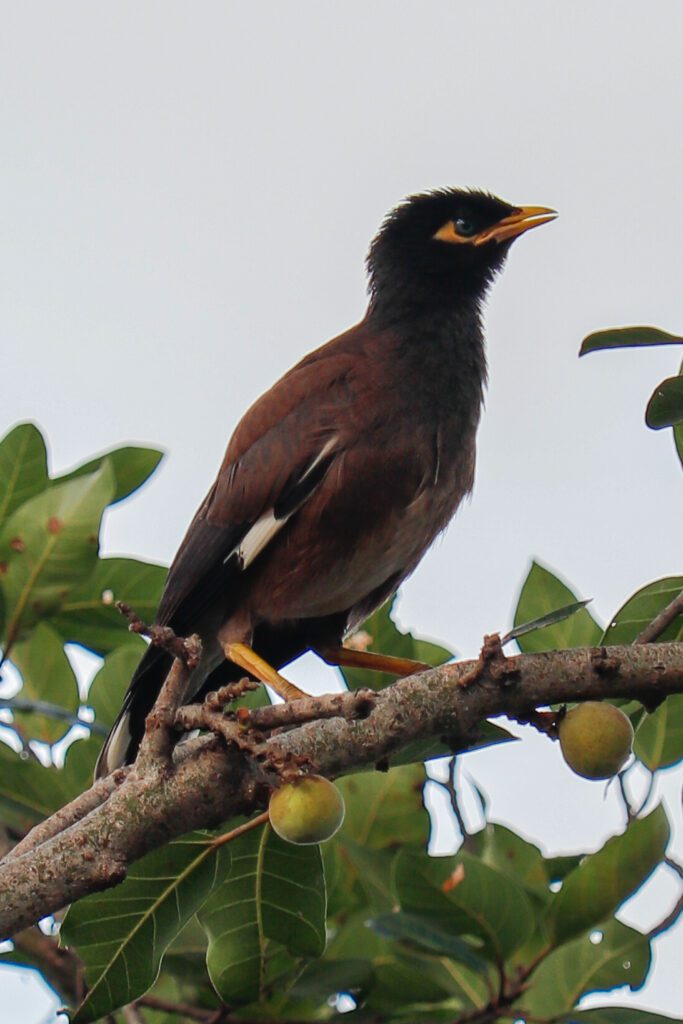
Chances are that you might first find the commoners of the community, like the common myna or brahminy kite. If you are lucky, you might even spot water birds like cormorants, herons, storks, and swamphens near the shore.
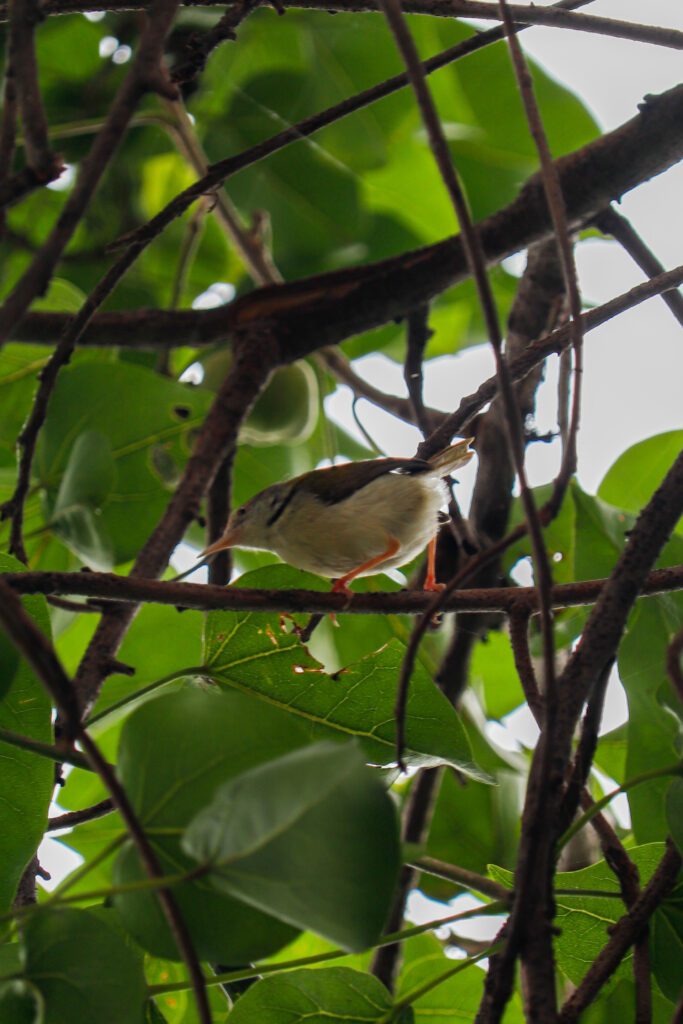
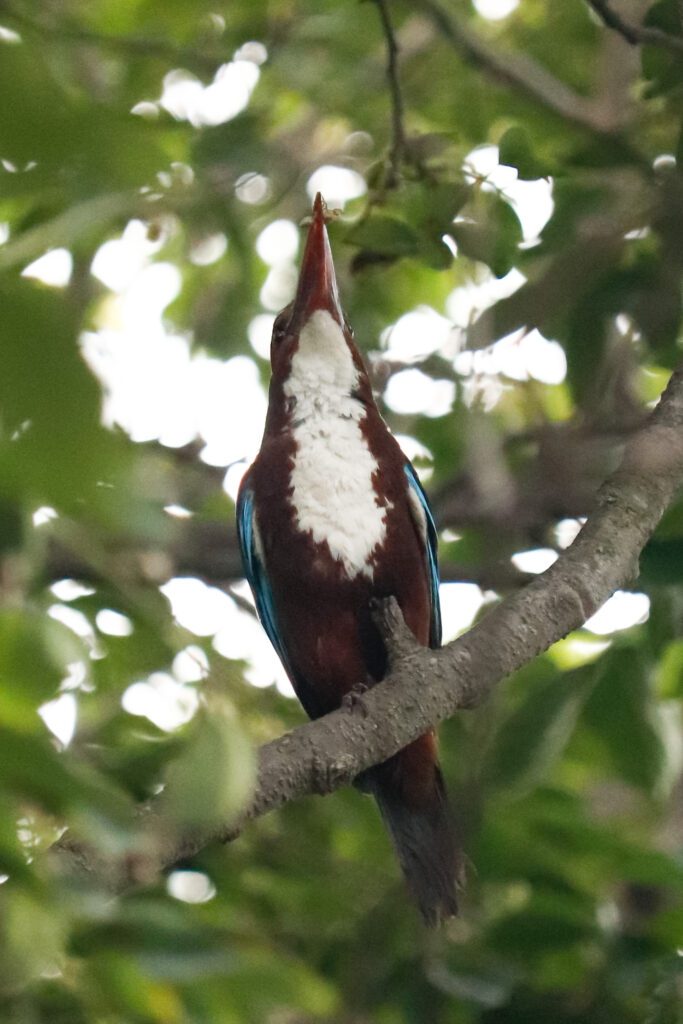
It’s in bushes and small trees that you might get lucky and spot a prinia, a barbet, or a flycatcher. Meanwhile, if it drizzles, you might be fortunate to sight the beautiful white-throated kingfisher.
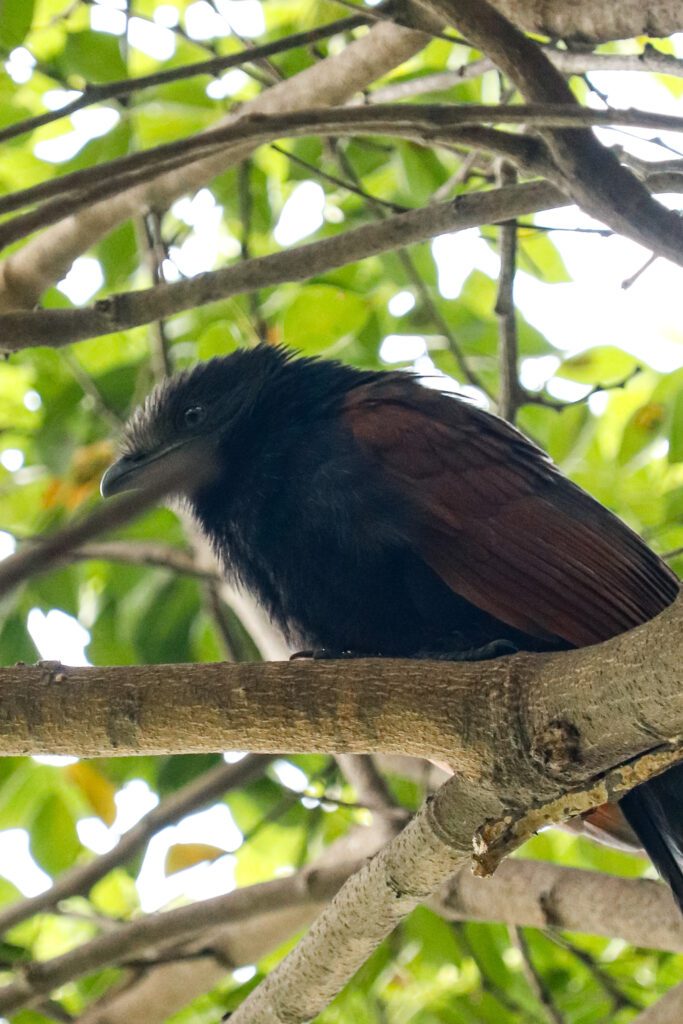
As for our own fortuitous escapade, fate smiled upon us, granting us the coveted sighting of the Lesser Coucal – one of the rarest birds in the Indian subcontinent. It stands as a testament to the hidden wonders that nature bestows upon those who venture into its embrace.
An adult Indian pond-heron. Take a walk along the shoreline this August and you might still see little cormorants, Indian pond-herons, or a few grey herons. (Aaradhya M Kiran)
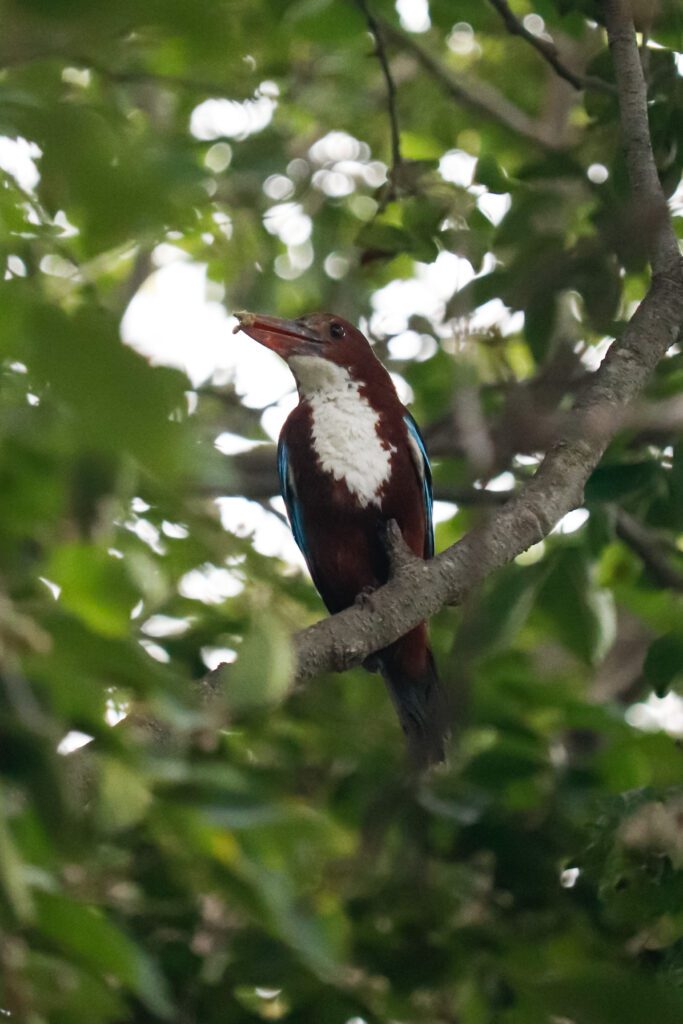
In the bushes and trees, you might find some regulars, like the common myna, coppersmith barbet, or the white-throated kingfisher. (Aaradhya M Kiran)
The talented common tailorbird is a chirpy little visitor to the Indian subcontinent. Their long and loud calls should catch your attention if not for their cocked tail, crimson-red forehead, and dark spots on the sides of the throat. (Aaradhya M Kiran)
White-cheeked barbets are birds that do what birds are stereotypically known to do. They have a high-pitch call, live only in trees, and are particular about their diet. (Aaradhya M Kiran)
As compared to most other barbets, the white-cheeked barbets have a brown crown. Just as the name suggests, they have white eyebrows and white stripes for cheeks. They are observed to be calmer with human presence though they move swiftly from branch to branch. (Aaradhya M Kiran)
A common sight in the Indian subcontinent, the white-throated kingfisher is an expert hunter. They prey on insects, reptiles, amphibians, rodents, and at times, even smaller birds. Their turquoise blue wings, with a white patch that’s visible during flight, will grab your attention first. Also, underneath the brown head and a coral red beak, as the name suggests, it has a white chin and a white breast. (Aaradhya M Kiran)
Unlike most other kingfishers, the white-throated kingfisher can be found far away from water bodies. They prefer the woods more than water. You can see them often on top of vantage points to spot their prey. According to the Cornell Lab of Ornithology’s E-Bird app, urban Bengaluru alone saw more than 150 sightings of this bird in the last 30 days. (Aaradhya M Kiran)
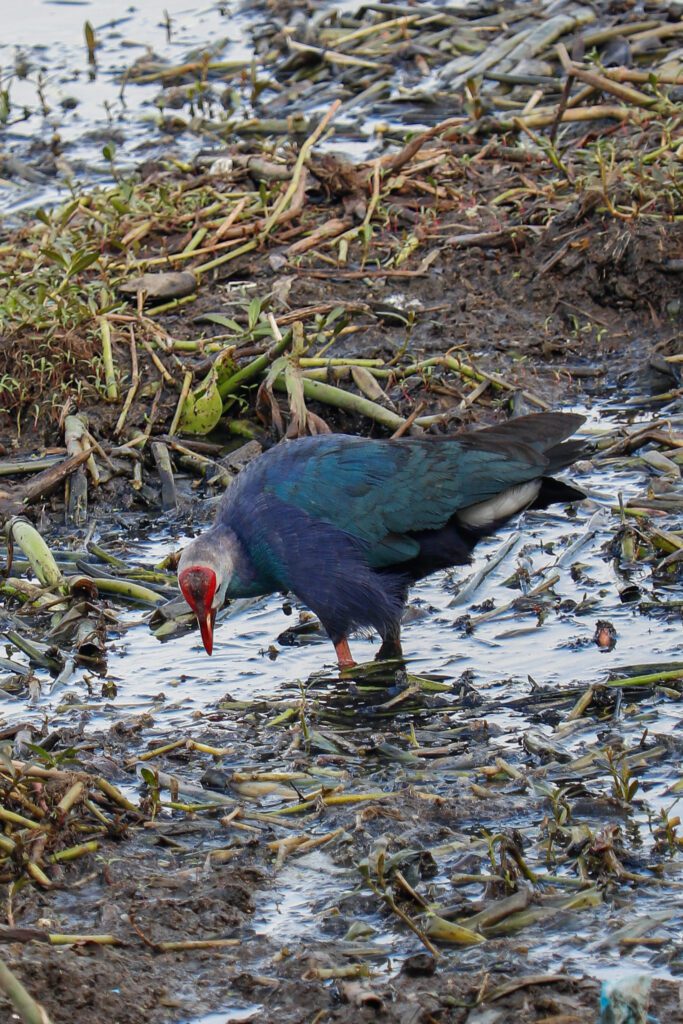
The grey-headed swamphen is a large blue rail bird found on the edges of water bodies. A common bird in the Indian subcontinent, this semi-amphibian has a dark blue and violet body. Also, its bright red frontal shield and long, reddish legs should catch your eye. (Aaradhya M Kiran)
The southern coucals and greater coucals are frequent visitors to Bengaluru. If the day is yours, you might get to see a rare, smaller, shorter-billed coucal in the trees — the lesser coucal. Interestingly, their most attractive features are the colour of their wings, mottled brown and rufous, and dark black eyes (other coucals have dark red eyes). (Aaradhya M Kiran)
Most coucals, being cuckoos, are known to exhibit brood parasitism. However, the lesser coucal takes care of its eggs in its nest. Like every other cuckoo species, Coucals are known to be shy. Furthermore, photographers or birders need to be steadier to not startle them. (Aaradhya M Kiran)