

Published Mar 28, 2026 | 7:43 AM ⚊ Updated Mar 28, 2026 | 7:43 AM

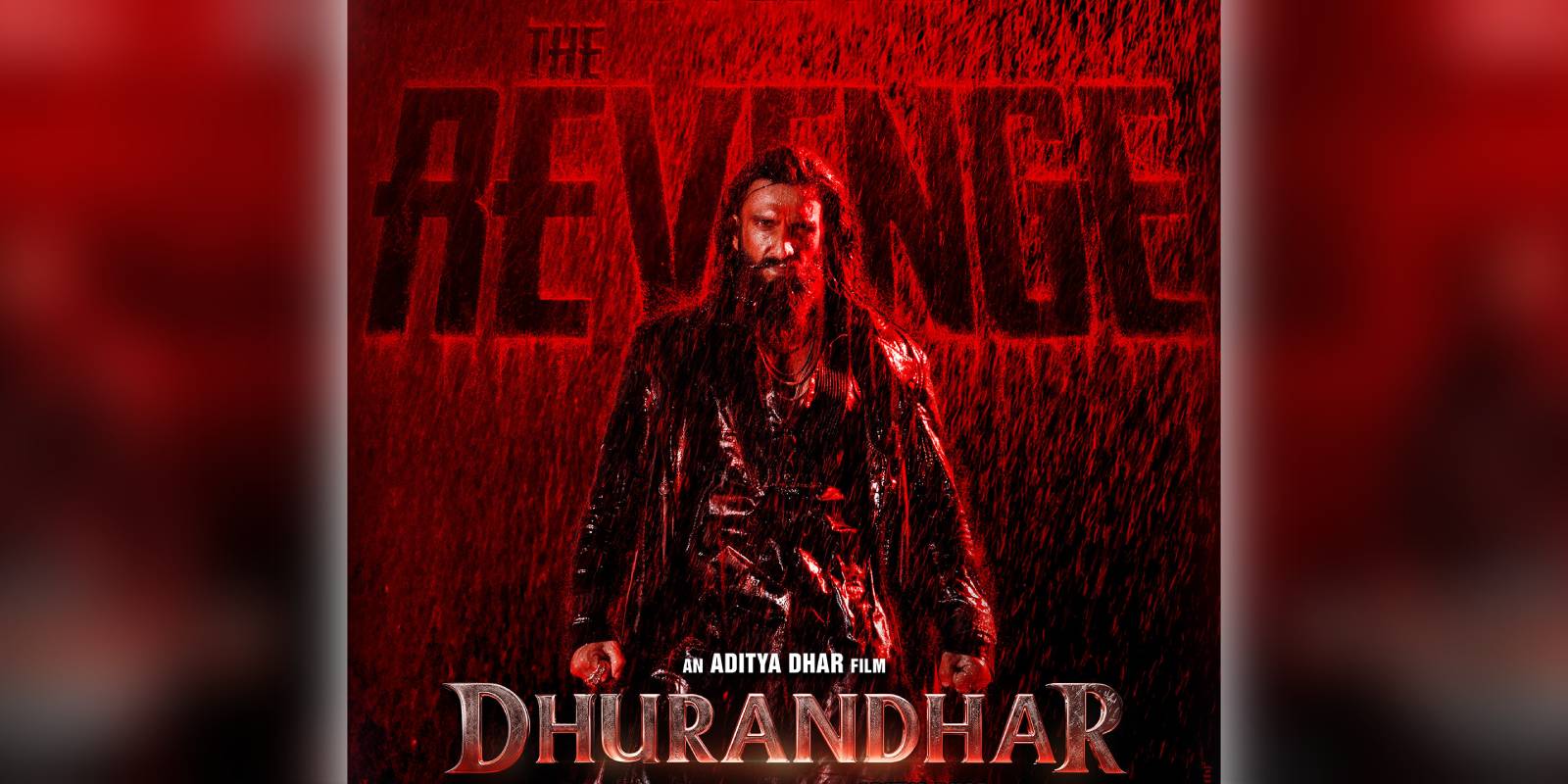
A poster of the film 'Dhurandhar: The Revenge' (X)
Dhurandhar- The Revenge has set new records in the box office with the movie collecting more than ₹800 crore globally. The movie directed by Aditya Dhar was one of the most anticipated movies this year as its prequel Dhurandhar (2025) had turned out to be a blockbuster collecting ₹1000 crore.
The first movie had received overwhelming response from majority of the audience but it was also banned in the GCC countries because of the anti-Muslim content. This is a major criticism both the films have been facing since its release.
Many viewers who appreciated the first part are expressing disappointment with the second, criticizing it as propagandistic for outrightly portraying the Prime Minister and the ruling party as the nation’s saviours.
However, the Dhurandhar franchise is just the latest in a wave of films that have promoted nationalist messaging since Narendra Modi came to power in 2014. Other films in this trend include The Kashmir Files, The Kerala Story, Uri: The Surgical Strike, Article 370, and The Sabarmati Report.
Critics argue that these films tend to follow a similar pattern: they portray the ruling party at the centre in a favorable light, depict opposition parties negatively, and often incorporate anti-Muslim undertones—an approach they say aligns with narratives long associated with Rashtriya Swayamsevak Sangh (RSS).
In “Dhurandhar,” Bollywood star Ranveer Singh plays Hamza Ali Mazari, an Indian operative on a serious mission in Karachi. The movie has received overwhelming response in India for its star-studded cast, heart-pounding action scenes, and mind blowing music, but Pakistani officials have said that the depiction of gang violence is unfair to Karachi’s working-class neighbourhood of Lyari.
After the first part’s release in December, the Sindh government had said it was backing what has been described as a rebuttal film to “Dhurandhar,” which it called “Indian propaganda.”
“Lyari stands for culture, peace, and resilience — not violence,” it said in a statement.
Dhurandhar has also drawn criticism for blending fiction with real-life events, including the 2001 Indian Parliament attack and the 2008 Mumbai attacks. The opening scene of the first film references the 1999 Indian Airlines Flight 814 hijacking. The movie introduces a fictional Indian intelligence chief, Ajay Sanyal, whose character bears similarities to Ajit Doval, Narendra Modi government’s national security adviser and a key negotiator during the 1999 hijacking. In the film, Sanyal sends Hamza on his mission as an act of retribution.
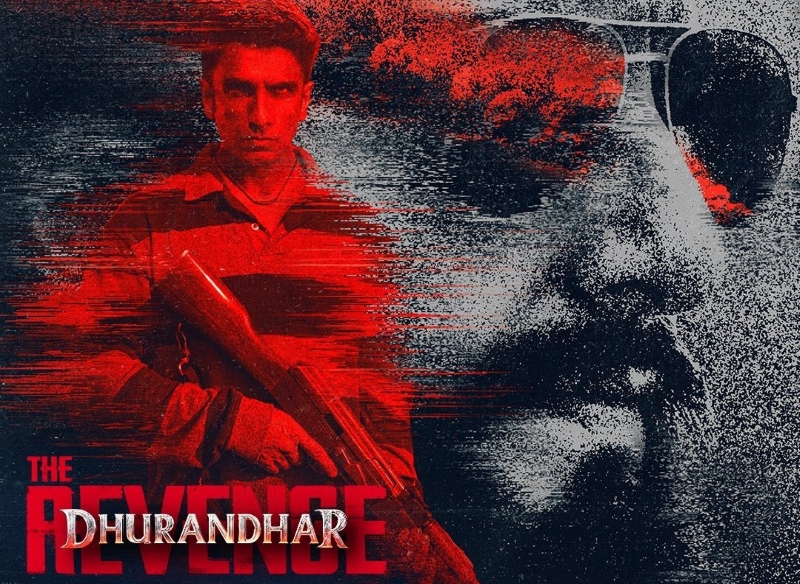
‘Dhurandhar: The Revenge’ starring Ranveer Singh. (X)
Demonetisation is also shown as a victory of the central government led by Modi. While the Indian government had claimed that the move was aimed to curb black money, corruption, and counterfeit currency, in the film the demonetisation announcement is described as ‘Operation Green Leaf’ aimed to destroy terror funding and fake currency networks in the country.
The film shows that the move was a hard blow against ISI-linked counterfeit currency, causing the instant collapse of villainous financial networks. However critics say that this scene was to whitewash the BJP and Modi for their foolish ideas.
Musician Vishal Dadlani also took to social media, urging people to seek accurate information about demonetisation—an indirect criticism of Dhurandhar 2: The Revenge.
Samajwadi Party chief Akhilesh Yadav has accused the Modi government of funding Bollywood films as political tools. Calling Dhurandhar 2: The Revenge a “paid propaganda”, the opposition leader said the film was designed to defame opposition parties ahead of crucial state elections.
Yadav’s criticism comes against the fictional character named Atif Ahmed in the film, whose physical appearance, criminal history, and political journey are similar to those of the late Atiq Ahmed, a former SP-backed Lok Sabha member turned mafia don. He was shot dead in Prayagraj in April 2023. He was elected to the Lok Sabha on the SP ticket and held significant influence in the party.
In the movie, Atif Ahmed procures AK-47 rifles through Pakistan’s ISI, facilitated by Baloch mafia networks. However in reality, it’s not proved anywhere that Atiq had links with Pakistan. Experts say that despite over 175 cases registered against Atiq, none conclusively established arms smuggling from Pakistan during his lifetime.
In his X post, influencer Dhruv Rathee wrote, “I called Aditya Dhar a BJP propagandist 3 months ago. Now everyone will see it. It was subtle in the previous film, but he went so blatant this time in overconfidence. Remember how I said, well-made propaganda is more dangerous? Ab toh well-made bhi nahi raha. Lol”.
I called Aditya Dhar a BJP propagandist 3 months ago.
Now everyone will see it. It was subtle in the previous film, but he went so blatant this time in overconfidence. Remember how I said, well-made propaganda is more dangerous? Ab toh well-made bhi nahi raha. Lol
— Dhruv Rathee (@dhruv_rathee) March 19, 2026
Kannada actor Divya Spandana too had criticised the movie. In her social media she wrote, “Just watched Dhurandhar 2 and wow! What a masterclass in how to turn something promising into an endurance test. It’s like reading a textbook of the most boring subject with never-ending chapters and at some point, your brain just gives up and starts laughing out of sheer despair at the atrocity unfolding in front of you. If you really want to watch it, do yourself a favor—don’t waste your time or money in a theatre. This is strictly ‘pause, scroll phone, question life choices’ content—best consumed on a streaming platform where escape is just a click away.”
Just watched Dhurandhar 2 and wow! what a masterclass in how to turn something promising into an endurance test.
It’s like reading a textbook of the most boring subject with never-ending chapters and at some point, your brain just gives up and starts laughing out of sheer despair…— Ramya/Divya Spandana (@divyaspandana) March 20, 2026
Prakash Raj had also criticised the movie and even took a dig at south stars such as Allu Arjun, Jr NTR, Mahesh Babu, and Vijay Deverakonda who had earlier praised the film.
Signs of Obligations are spreading South too .. #justasking https://t.co/iB01E1sp7K
— Prakash Raj (@prakashraaj) March 19, 2026
After the NDA came into power, many films with themes of hyper-nationalism and patriotism have been made. Aditya Dhar wrote Article 370 and also directed Uri: The Surgical Strike, which was criticized as propaganda.
A recent controversy, even before the release of Dhurandhar 2: The Revenge, involved Kerala Story 2. The issue escalated to the point where the Kerala Chief Minister protested against the decision, and a single bench of the Kerala High Court initially stayed its release. However, the film was eventually allowed to release after a division bench ruled in its favor.
“Cinema has always been a mirror to society, but when that mirror is pointed specifically to amplify certain political agendas, it becomes a tool and not an art. While propaganda films like Dhurandhar or The Kerala Story achieve massive commercial success, I think the challenge for this era’s audiences is to develop a high level of media literacy to distinguish between historical fact and cinematic dramatization,” P.S Arjun, Malayalam script writer told South First.
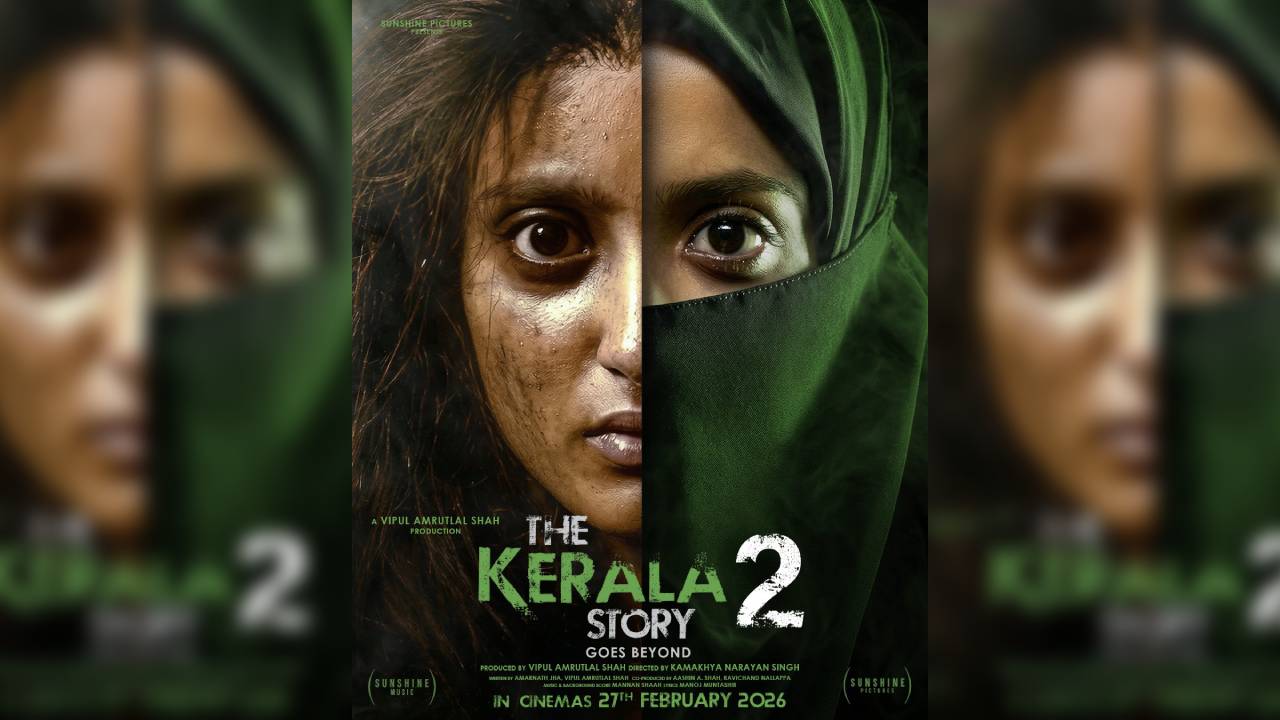
A poster of Kerala Story 2.
“Even though I haven’t watched both The Kerala Story and its sequel, the trailers give the impression that it’s a propaganda movie. The makers have tried to portray Kerala in a bad light with the two films. If they want to genuinely showcase social issues, there is no need to give the title to a movie which doesn’t have a relevance to the story itself. And they very well know that there are people who will blindly believe this”, Gayathri Krishna, a Kochi-based independent film journalist, told South First.
However, Aditya Dhar stated that he does not care about those who claim his films are propaganda. After the release of his debut film Uri: The Surgical Strike, he said that if audiences still perceived it as propaganda despite his explanations, it was purely due to their individual biases. He added, “If somebody still feels it is propaganda, then it might be that they have already decided so in their minds.”
(Edited by Sumavarsha)


