
Though the soul of the film busts superstitions and blind beliefs, the body lacks the vital organs to breathe life into it.


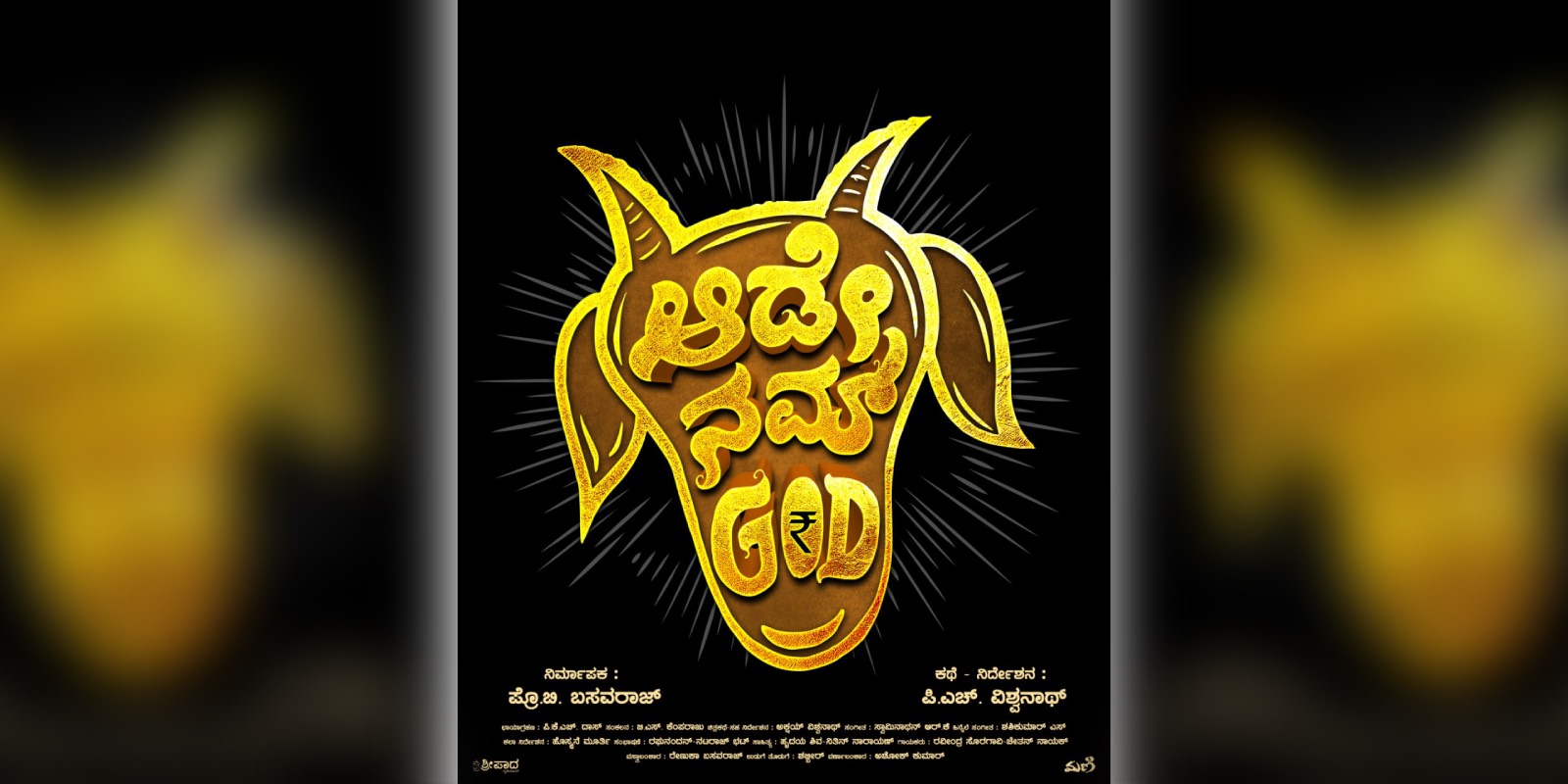
A poster of the film 'Aade Nam God'. (X)
Aade Nam God (Kannada)
For those who are not aware, director PH Vishwanath is a veteran filmmaker. He learnt the art of filmmaking from none other than one of the greatest film directors of Sandalwood — the late Puttanna Kanagal.
After working as an assistant director under Kanagal, Vishwanath rose to fame through his critical and commercially successful films such as Panchama Veda (1990), Srigandha (1995), and Andaman (1998).
His last venture Suli (2016), with veteran actor Srinath in the lead, earned him a lot of accolades. That’s not all! He is known for his documentaries, especially on health and environmental issues.
With such a filmmaker returning to commercial filmmaking, Aade Nam God raised a lot of expectations, at least in terms of quality content, making and performances.
Let’s dive straight into whether the comeback venture of the director is worth your time or not:
Aade Nam God (Goat is our God) has four friends in prime focus. The comedy-drama opens with four friends visiting a temple to offer prayers to sort out their unfortunate lives.
This is when the goat makes its entry as a lucky charm and then as a god for the three, while one still believes in working hard for success and growth in life.
How the goat changes the life of the four and eventually teaches them a good lesson is the soul and body of Vishwanath’s venture revolving around a godly goat.
https://t.co/nAWoqqaSQv
Mehhh… Here is the FIRST LOOK of our film #AadeNamGod Starring @sarikaraoofficial @actornataraj @boppanalli @anoopshoonya @mj_diractar
Story-Direction by @vishwanath.
Produced by @bbasavaraj#aadenamgod #phvishwanath #bbrfilms #everestindiaenterprises— Nataraj S Bhat (@actornataraj) July 2, 2023
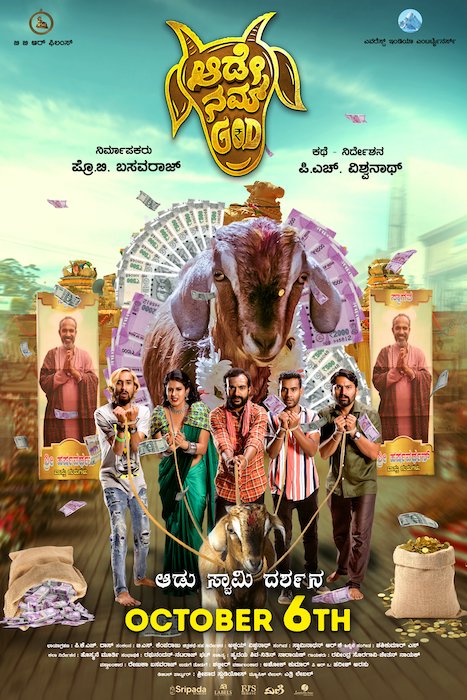
PH Vishwanath’s directorial ‘Aade Nam God’. (X)
Apart from the director, actor Nataraj Bhat of Rama Rama Re (2016) fame, who played one of the lead characters here, raised expectations.
However, though the soul of Aade Nam God throws light on superstitions and blind faith/beliefs, the body lacks the vital organs to breathe life into it.
It’s a known fact that the majority of Indians worship animals as God. The film uses a goat as a metaphor to convey a hard-hitting message.
While the intention at the outset makes sense, the layering of the socially relevant subject fails to evoke more meaningful entertainment at the end. The writing, a few characters and their performances spoil all the good fun.
There are hardly any scenes that genuinely make one laugh. The poor English and the “bro” dialogues uttered by one of the characters sound redundant.
Minus the soul of the film, which is to make one think about the effects of blind beliefs, the rest of the goat experience is disappointing.
(Views expressed here are personal.)




May 10, 2025

Mar 29, 2025
Mar 01, 2025

Feb 28, 2025
Feb 28, 2025


