

Published Feb 05, 2026 | 7:00 AM ⚊ Updated Feb 05, 2026 | 7:00 AM

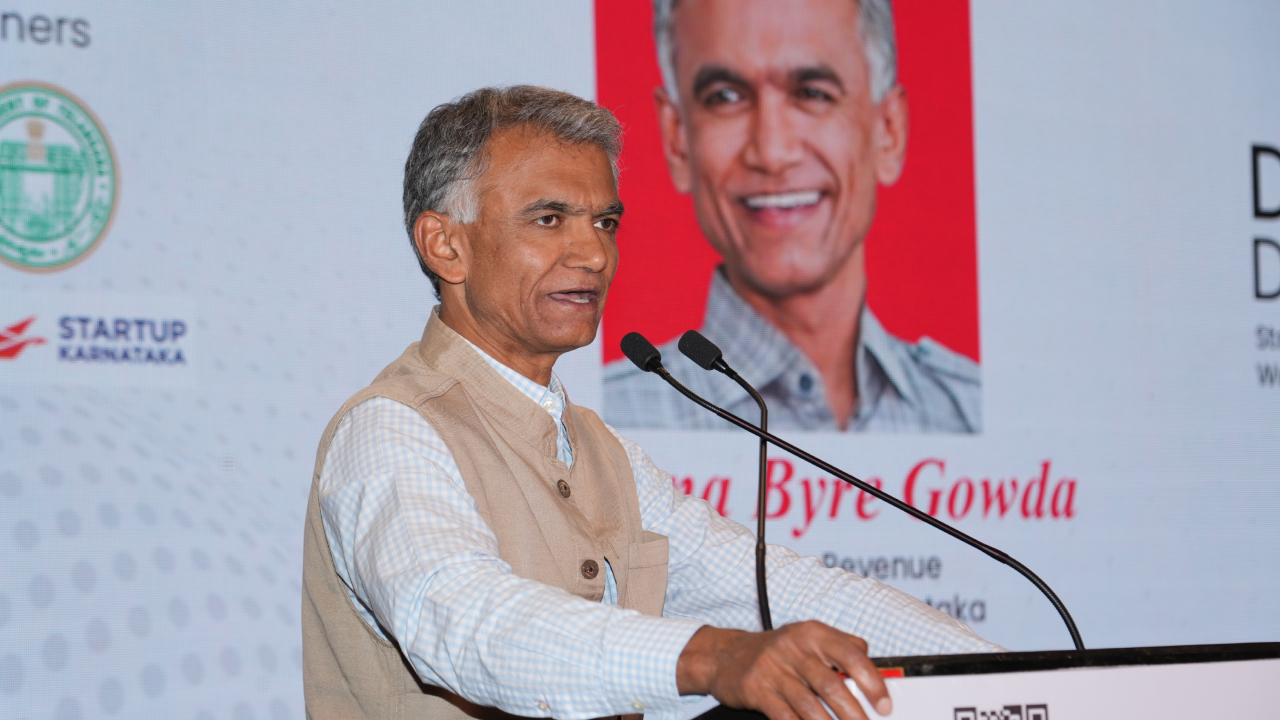
Krishna Byre Gowda at the Dakshin Dialogues 2026.
Synopsis: At Dakshin Dialogues 2026, Karnataka ministers Krishna Byre Gowda accused the Centre of marginalising South India through unfair GST processes and fund allocations. They warned of alienation, citing poor tax devolution, withheld grants, and disproportionate fiscal burdens despite the region’s high contributions.
At the Dakshin Dialogues 2026, Karnataka Revenue Minister Krishna Byre Gowda called South India as a high-contributing, dynamic region facing systemic marginalisation by the Centre through unfair fiscal mechanisms, political interference, and cultural imposition.
He batted for genuine federal respect, recognition of the South’s distinct needs, aspirations, diversity, and warns of growing disconnection or alienation if ignored.
Byre Gowda, who represents Karnataka in GST matters, slammed the GST Council meetings as featuring only “token consultation.” He described a process where states are given brief speaking slots before central decisions override them, leading to “you have your say, I have my way.”
He warned this disadvantages southern states, which contribute disproportionately to the nation.
Drawing on post-independence history, he notes southern agitations were resolved through integration, but ongoing disregard for region’s voices risks creating a “disconnect” among people from the national project, which he says harms India’s overall interests.
Byre Gowda states that southern states consistently lose out in central fund allocations despite heavy investments in people, education, infra, and institutions.
“This is unfair given the South India’s outsized contributions to national growth and revenue, reinforcing a pattern of disadvantage for the region.”
Meanwhile, at the same event, Priyank Kharge too backed the unfair tax devolution to southern states, stating that for every ₹100 contributed to the Centre, only ₹13 is returned. He demanded at least ₹30 to fund infrastructure and jobs.
He cited specific grievances: receiving only ₹571 crores out of the allotted ₹5,000 crores for Jal Jeevan Mission, forcing Karnataka to spend ₹15,000 crores itself, and ₹2,500 crores withheld for rural development.


