

Published Apr 02, 2026 | 7:11 AM ⚊ Updated Apr 02, 2026 | 7:11 AM

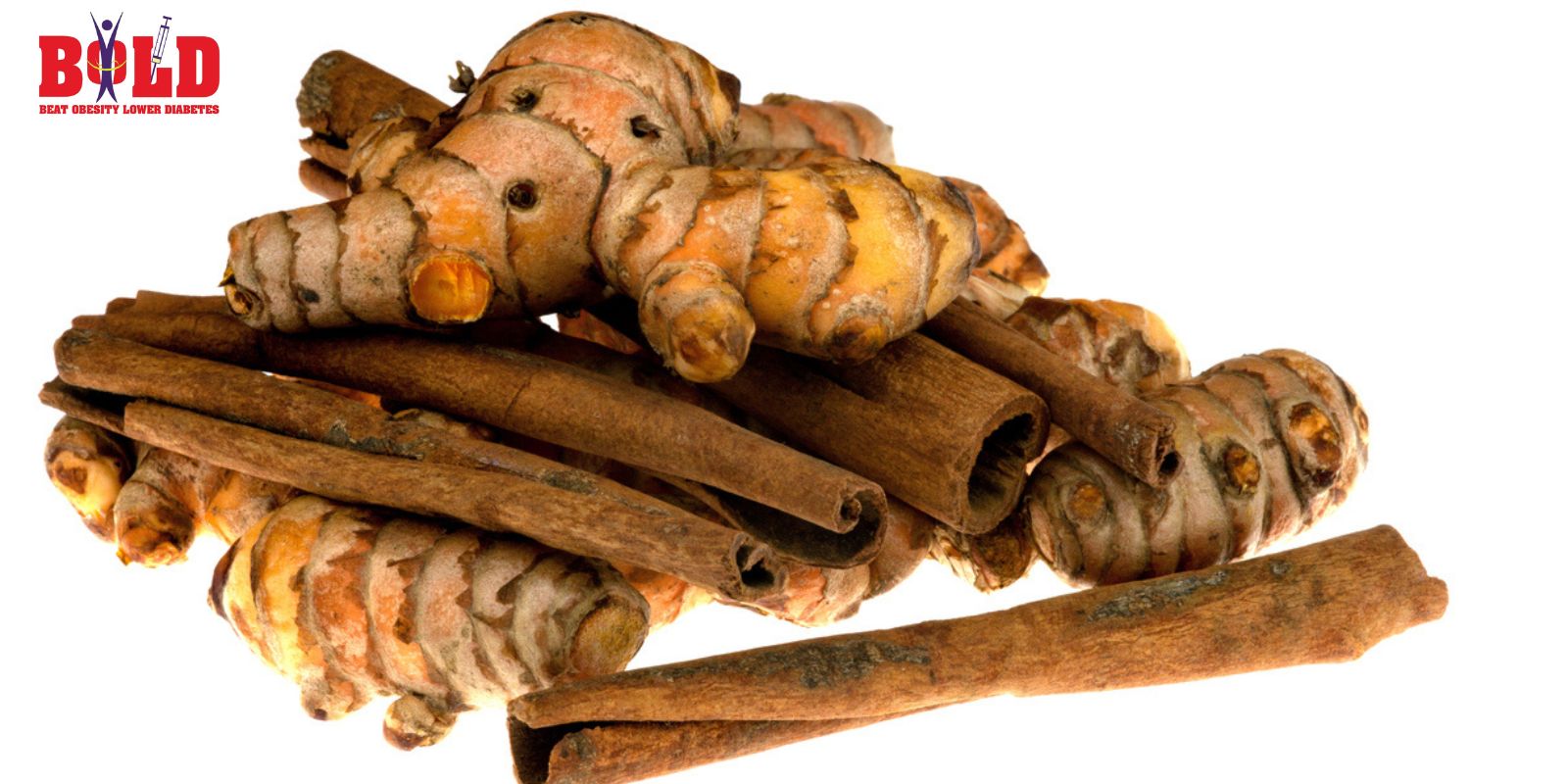
Five spices, ginger, cinnamon, black pepper, amla, and turmeric, are at the heart of a new government-backed formulation. (iStock/ Representative)
Synopsis: Five spices familiar to every Indian cook, ginger, cinnamon, black pepper, amla, and turmeric, are at the heart of a new government-backed formulation that scientists say could do what most diabetes drugs cannot: stop the disease from destroying your kidneys, eyes, and nerves.
Over 100 million Indians live with diabetes today. Another 136 million are on the threshold. In Kerala, one in every five doctor-certified deaths lists diabetes as the cause. Tamil Nadu recorded nearly 22,000 diabetes deaths in 2023 alone, the highest in the country. And across India’s southern states, which account for less than a third of medically certified deaths, nearly six in ten diabetes fatalities occur.
The drugs exist. The doctors exist. And yet the complications keep mounting, kidney failure, vision loss, nerve damage, often striking people who were told their blood sugar was under control.
Researchers at the ICMR-National Institute of Nutrition (ICMR-NIN) in Hyderabad believe the problem lies in how diabetes has been treated all along.
“The management of diabetes and obesity must evolve beyond simple glucose monitoring,” said Dr Bhanuprakash Reddy, the scientist leading the research. “Our findings suggest that this poly-herbal formulation, with its unique combination of bioactive molecules, can not only control weight and glycemia but also effectively arrest the progression of long-term complications through multiple biological mechanisms.”
Current treatments focus almost entirely on keeping blood glucose levels in check. But ICMR-NIN researchers say that approach misses the deeper damage happening inside the body.
Diabetes and obesity share a common set of underlying problems: chronic low-grade inflammation, oxidative stress, and the build-up of compounds called Advanced Glycation End-products, or AGEs, essentially, a kind of internal rusting that damages tissues over time. Controlling blood sugar alone does little to stop this process.
The ICMR-NIN team identified a specific biological pathway, the aldose reductase mediated polyol pathway, as a key driver of complications. When this pathway goes unchecked, it contributes directly to kidney disease, retinal damage, cataracts, and nerve deterioration. Their formulation targets it.
After extensive research into functional foods, the team zeroed in on five ingredients with strong evidence for blocking AGE formation and inhibiting aldose reductase activity: ginger, cinnamon, black pepper, amla, and turmeric.
Each of these has a long history in traditional Indian medicine. What is new is the science behind combining them in precise proportions, and the rigour with which ICMR-NIN has tested what that combination can do.
The team first developed a Poly-Herbal Mix (PHM), combining the five ingredients in specific ratios. Testing in rodent models showed it could prevent and treat nephropathy (kidney disease), retinopathy (eye damage), cataracts, and neuronal changes, the very complications that make diabetes so feared.
Building on those results, the researchers then developed a standardised Poly-Herbal Extract (PHE), a more concentrated, laboratory-scale formulation. Early studies suggest the extract produces an additive effect, enhancing the benefits seen with the original mix.
The research is now entering its most critical phase. Clinical trials are under way to determine whether the results seen in laboratory models hold up in human beings, the step that will determine whether this formulation can eventually reach patients.
“This initiative marks a shift toward integrative health solutions,” said Dr Bharati Kulkarni, Director of ICMR-NIN. “We are currently evaluating its efficacy in clinical trials to translate these rigorous scientific findings into accessible products for human use.”
The scale of what is at stake is difficult to overstate. ICMR-INDIAB testing has found that most Indians with diabetes do not know they have it, the gap between self-reported and clinically tested prevalence is enormous. In Kerala, for instance, just 4.1 percent of women self-reported diabetes in the last National Family Health Survey, while direct blood glucose testing found 25.5 percent prevalence. Across India, millions more are likely progressing silently toward the very complications this research aims to prevent.
ICMR-NIN has not announced a commercial timeline, and clinical trial results will take time. Independent researchers not involved in the study have not yet publicly reviewed or commented on the findings.


